

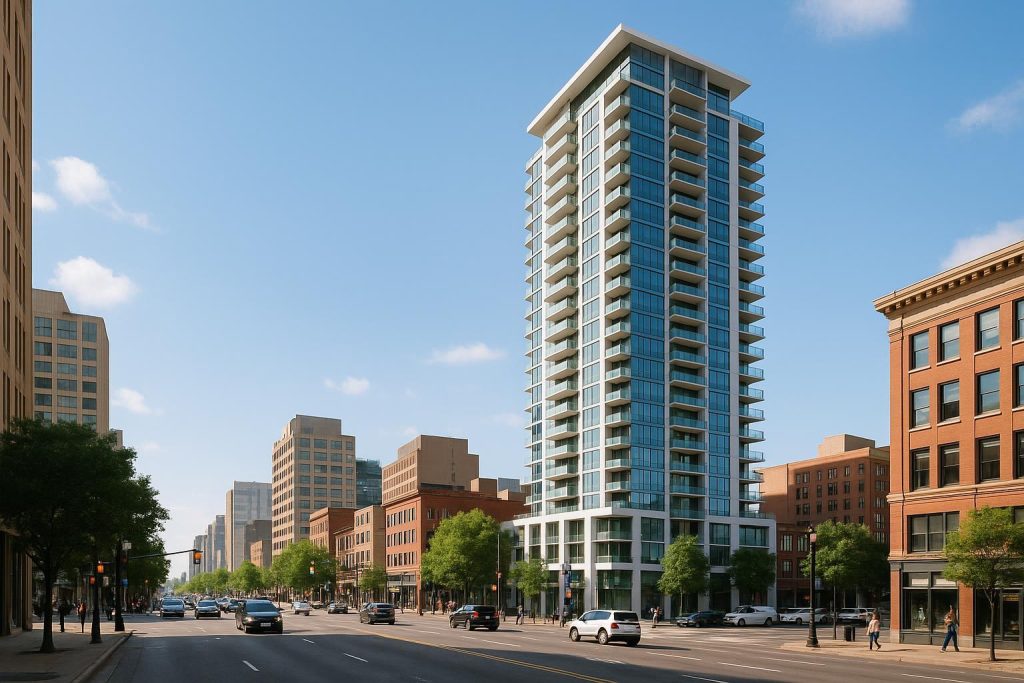
Investing in Vibrant Urban Condos: A Comprehensive Guide
Condos located in lively city centers have captured the attention of investors and homeowners alike. From modern high-rises that boast panoramic skyline views to low-rise developments nestled into cultural hotspots, these properties often promise strong demand and a path toward long-term value. With the right approach, investing in an urban condo can position you for both short-term rental returns and potential price appreciation down the road. However, as with any real estate venture, success depends on understanding the intricacies of location, economic indicators, building amenities, property management, and personal or portfolio-specific goals. In this comprehensive guide, we will explore these essential elements so you can determine whether a centrally located condo is right for your strategy.
The Allure of City-Center Living
Urban environments hold a certain appeal due to their convenient access to public transportation, cultural events, shopping districts, and employment hubs. For many prospective tenants or buyers, the ability to walk or cycle to work, dine at nearby restaurants, and enjoy a vibrant social scene is part of a well-connected, dynamic lifestyle. This strong demand for centrally located properties often fuels consistent occupancy rates, making it more likely for condo owners to maintain a steady revenue flow if they choose to rent. Moreover, many city governments are prioritizing responsible development and quality infrastructure projects to enhance accessibility and community feel, which can further anchor long-term value.
Another factor is the demographics of urban neighborhoods. Young professionals, downsizers, and students typically value proximity to workplaces, educational institutions, entertainment, and cultural amenities. Families or those seeking a lower maintenance lifestyle may also see new or established condos as an attractive alternative to single-family homes. As these demographic groups seek well-maintained and thoughtfully planned living spaces, investing in a condo that meets these preferences can prove beneficial both for potential resale and stable rental demand.
Location Is King
When it comes to real estate, the adage “location, location, location” holds particular importance for city-center condos. Even within the same urban region, individual neighborhoods can vary widely in terms of property values, rental prices, and future development potential. Here are some critical location-specific considerations:
- Proximity to Transit: One of the most impactful features for urban dwellers is easy access to train stations, bus routes, or major employment corridors. Properties near public transportation often command premiums, both in sale and rental markets, due to the convenience they provide. Busy professionals and students rely heavily on public transit, making well-positioned condos a particularly strong draw.
- Community Features: A balance of green spaces, cultural attractions, and everyday necessities—like grocery stores and medical offices—within walking distance can greatly enhance a condo’s desirability. Prospective tenants or buyers often prefer a neighbourhood feel that encourages social engagement and well-being.
- Local Development Projects: Keep an eye on city council decisions, zoning changes, and large-scale planning initiatives in target areas. New commercial complexes, improved infrastructure, and community-driven developments can signal a bright future, potentially increasing property values over the long term.
- Safety and Connectivity: Neighborhoods with active residents’ associations, responsible development initiatives, and lower crime rates typically attract a stable population. Prospects want to feel secure coming home after a day or evening out. Reliable connectivity, including high-speed internet, is also increasingly essential for remote work and modern living.
These location considerations converge to shape a property’s short- and long-term potential. Identifying areas that exhibit both current popularity and strong future prospects is often key to a rewarding condo investment.
Assessing the Local Economy
Economic health underpins the sustainability of condo investments in city centers. A robust employment market, anchored by industries like tech, finance, healthcare, or education, often translates to a steady influx of workers and students seeking nearby homes. Universities and colleges spark an ongoing housing demand for staff and students, while also fostering spin-off businesses that make neighborhoods more vibrant.
Job growth is another strong indicator. If a region attracts new companies or sees existing companies expand, the inflow of skilled workers can elevate demand for rentals. When these newcomers cannot find suitable housing quickly, well-located condos become the next logical option. Also, tourism and conference hosting can further bolster demand, especially for shorter-term rentals—though one should always check local policies regarding rental regulations before counting on such income.
Beyond job opportunities, look at municipal plans for infrastructure updates, including road expansions, walkability initiatives, consistent public safety enhancements, and overall responsible development. Urban centers that demonstrate forward-thinking projects tend to encourage better transit solutions, new business ventures, and improved public amenities—all contributing to a stable, or even rising, property value trajectory.
Amenities and Building Management
With competition high in many urban neighborhoods, the distinguishing features of a condo building can be pivotal for attracting quality tenants or buyers. A well-equipped, thoughtfully designed property stands out. Common amenities often include:
- Fitness Centers: Providing in-house exercise facilities can appeal to health-conscious residents. It also saves renters or owners time and gym membership expenses.
- Co-Working Spaces: As remote and hybrid work arrangements grow more prevalent, having a dedicated area for professional tasks within the building can significantly enhance convenience.
- Security Features: Secure entrances, concierge services, and well-lit parking areas may foster peace of mind and a sense of safety, which is especially valued in busy urban cores.
- Technological Integration: Buildings that support modern tech—such as high-speed internet, automation services for deliveries, or integrated smart home systems—often command premium rents and maintain consistently high occupancy.
In addition to amenities, reliable property management can make or break the overall experience for both owners and tenants. Effective management ensures a clean, safe, and welcoming environment, as well as timely maintenance and professional handling of common area upkeep. When tenants feel valued and see that the building is well-run, they are more likely to remain long-term, reducing vacancy rates and turnover costs for owners.
Financial Planning and Potential Fees
Purchasing a condo in an urban center involves more than just the listing price. Condos come with monthly maintenance fees for common areas like lobbies, elevators, shared amenities, and landscaping. In some buildings, these fees also cover utilities such as water, heat, or even electricity, while others keep utility charges separate. Reserve fund contributions, insurance, and special assessments for major capital improvements can also arise. These costs affect your investment’s profitability, so it’s important to request and review financial statements or status certificates for any building under consideration. Pay particular attention to:
- Reserve Fund Strength: A healthy reserve fund suggests the building is financially prepared for large maintenance tasks, like roof replacements or elevator repairs, without burdening owners with surprise fees. It also signals an organized, forward-thinking management approach.
- Special Assessment History: Multiple special assessments over a short period may indicate recurring maintenance weaknesses or inadequate planning. If you see a pattern of unexpected expenses, consider how it might impact your long-term budget.
- Monthly Maintenance Fees: While you might be tempted by lower fees, make sure they are realistic. Underfunded building operations could lead to unexpected costs in the future. Conversely, higher fees might reflect well-maintained amenities and robust planning.
Speaking with existing residents, reviewing historical condo board meeting minutes, and consulting a real estate advisor can all help you gain clarity on a building’s financial health. If the fees seem too high or the reserve fund is dangerously low, it may be best to consider a different development.
Evaluating Your Investment or Lifestyle Goals
No two condo purchases look exactly alike because each buyer or investor has unique goals. Carefully reflect on your primary purpose for acquiring a condo—are you focusing on capital appreciation, reliable rental income, or the convenience of living downtown? Your answer can guide decisions around property size, amenities, and location. For instance:
- Long-Term Rental Investors: Seek buildings with historically low vacancy rates and progressive management teams. Vibrant buildings that cater to professionals and students can maintain consistent rental demand, especially if they are close to transit and major employment nodes.
- Short-Term Investors: Check local regulations on short-term rentals before committing, as some municipalities or condo boards have restrictions. Even if it’s allowed, keep in mind that short-term rentals can be more management-intensive.
- Owner-Occupants: If you plan to live in the condo, consider your personal lifestyle needs: Are you drawn to on-site amenities like a fitness center or nearby retail options? Do you want a quiet residential environment or a bustling social scene? Smaller but well-connected residencies may be ideal for on-the-go professionals, while those seeking ample space might opt for larger units in more established neighborhoods.
- Portfolio Diversification: Some buyers see singles, duplexes, and condos as complementary investments. If your portfolio already leans heavily toward single-family rentals, including an urban condo could offer variety and potentially different demand drivers, such as young professionals and students.
At the end of the day, clarity over your primary objective helps shape everything from the property’s size and location to the features you prioritize. A well-chosen condo can contribute meaningfully to your financial stability and overall real estate profile.
Practical Steps Before Closing the Deal
Thorough due diligence will help ensure that the condo you choose aligns with your expectations. Consider putting these practical steps on your checklist:
- Market Research: Investigate comparable sale prices and rental rates in the specific neighborhood. Understanding current trends allows you to estimate whether a listing’s asking price or potential monthly rent is fair and sustainable.
- Professional Inspection: Even in newer builds, a professional building inspection or engineering report can highlight any underlying structural concerns or upcoming maintenance. A specialized condo inspector can help determine the condition of the unit and take a close look at the building’s shared facilities.
- Speak with Residents: Spending a little time in the building’s lobbies or common areas might enable you to engage with existing owners or renters. Their perspectives can offer real-world insight into management responsiveness, noise levels, and community engagement.
- Review Documents Thoroughly: Condominium board meeting minutes, financial statements, bylaws, and regulations reveal important social and financial details. Carefully reading through them can help you avoid surprises after you’ve already taken possession.
If you do your homework and perform a solid analysis of both the market and the specific building’s well-being, you are more likely to make a prudent investment decision.
Why Some Investors Choose Purpose-Built Rentals
While condos are popular, some investors opt instead for purpose-built rentals—properties designed explicitly for rental living rather than for ownership. Purpose-built rentals often focus on inclusive, community-driven development, offering robust professional management and long-term plans for resident satisfaction. These buildings generally align with an investor’s desire for a stable tenant base, often resembling a multi-residential property portfolio. The choice between a condo or a purpose-built rental might depend on your investment style, desired level of involvement, and the local regulations around condo policies. Either way, be sure to keep livability, responsible development, and quality at the forefront when considering any urban asset.
Examining Projects and Opportunities
Whether you are searching for a brand-new development or an established building, it’s helpful to look at a variety of projects to understand the range of multi-residential and mixed-use properties available in your region. If you want to explore potential investments or see examples of how different developments balance retail, amenities, and living spaces, you can visit Projects that might spark useful ideas for your own search. Taking the time to witness how real projects are managed and integrated into their neighborhoods provides practical insight into what works and what to watch for.
Balancing Long-Term Vision with Market Realities
While many city-center condos appreciate steadily over time, it’s still crucial to set realistic revenue and growth projections. The market can fluctuate based on economic shifts, population changes, and government policies. Urban real estate is often considered a safer bet than suburban or rural markets due to higher population density and robust local economies. However, no investment is without risk. By planning for market variations and staying up-to-date on local property news, you can be better prepared to adapt if or when changes occur.
Additionally, for those with a long-term vision, investing in an urban condo can be about more than just property values. Building relationships within a neighborhood and participating in local associations can help ensure that community members and investors work collaboratively toward a prosperous future. Establishing trust with fellow residents and condo boards fosters transparent dialogue on improvements, upgrades, and shared amenities that enhance the building’s value for everyone.
Conclusion: Taking the Next Step
Investing in a vibrant city-center condo is an exciting prospect that can combine the benefits of location, amenities, and growth potential. By focusing on the right neighborhood, assessing local economic indicators, ensuring superior building management, and clarifying your personal or investment-driven goals, you can make a more informed purchase designed to stand the test of time.
If you are interested in discovering particular city-center developments with potential for long-term value, or if you wish to explore how an urban condo could fit into a broader real estate portfolio, consider reviewing Projects. From purpose-built rentals to thoughtfully planned mixed-use communities, seeing real-world examples can help you understand what aligns best with your strategy. Should you have additional questions or wish to learn more about best practices for condo investments, do not hesitate to contact a professional who understands how to balance responsible development with your financial objectives.
Ultimately, a condo located in a dynamic urban district could be a smart move if approached with thorough research, realistic expectations, and a willingness to adapt to ever-evolving cityscapes. Whether you plan to rent it out or settle in yourself, an urban-centric condo can be a trusted asset in a well-balanced real estate portfolio, offering both convenience and the promise of long-term value.
