

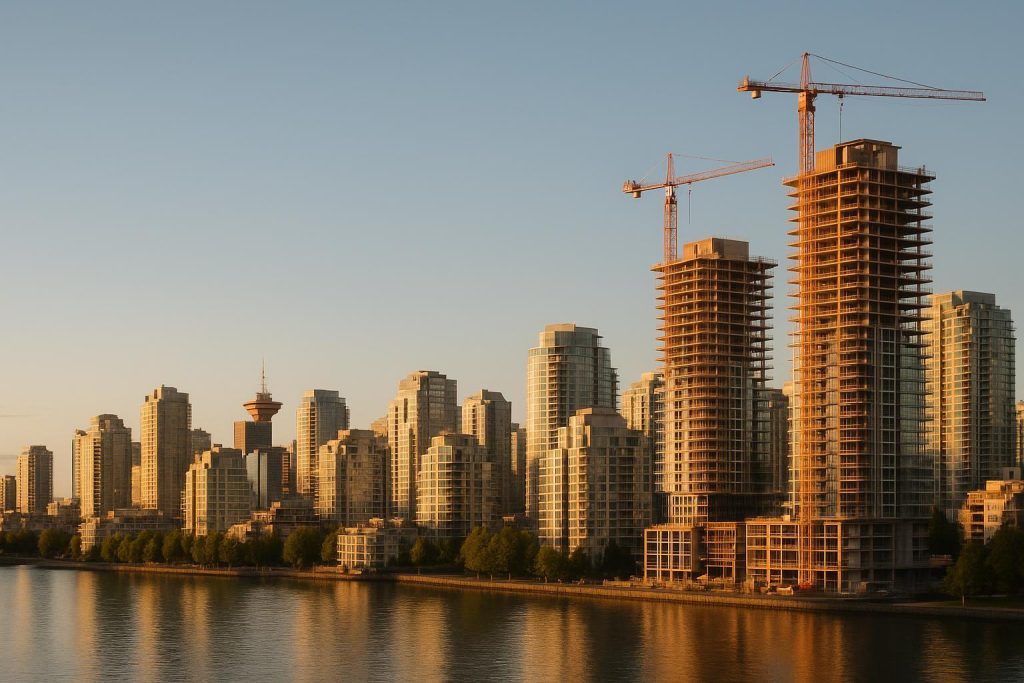
Understanding Vancouver's Landscape of New Construction
Vancouver has long been a magnet for people who appreciate its mild climate, vibrant cultural scene, and scenic coastal surroundings. Over the years, developers and city planners have made consistent efforts to meet the city's increasing demand for housing. This demand stems from the growing population of local residents, newcomers from other parts of Canada, and global investors who see Vancouver as a worthwhile place to invest. Today, the result is an ever-changing urban environment full of exciting new construction projects.
When discussing which Vancouver neighbourhoods see the most new builds, several factors come to mind. Zoning changes, transit accessibility, local amenities, and a push for sustainability all influence where construction activity clusters. City planners often highlight the importance of densification, community-minded growth, and environmentally responsible design so that Vancouver can tackle its housing shortage without sacrificing livability. These elements influence everything from the structure of buildings to the walkability of streets and the overall feel of a neighbourhood.
Below, we'll delve deeper into some of Vancouver's most prominent neighbourhoods for new construction. We'll also discuss the broader urban goals behind these projects, such as creating diverse housing options and promoting inclusive urban development. If you're curious about where to find specific rental or ownership opportunities, or if you simply want to understand what shapes the city's skyline, keep reading for a comprehensive guide. This exploration is ideal for homebuyers, renters, investors, or anyone considering Vancouver's housing landscape.
The Cambie Corridor: A Model for Transit-Oriented Growth
One of the most noteworthy examples of new construction in Vancouver is the Cambie Corridor. Anchored by the Canada Line, this area extends from the south side (near Marine Drive) to the northern edges of Cambie Street, weaving through heart-of-the-city neighbourhoods. Its growth is propelled by transit-oriented developments, meaning residential and commercial buildings are integrated into areas with immediate public transportation. For many people, this combination of convenience and livability is a big draw. Mixed-use developments in the Cambie Corridor typically include shops, green spaces, and other amenities that make everyday life more enjoyable.
Many experts consider the Cambie Corridor an ideal representation of how Vancouver approaches sustainability. Because these new builds center on public transit, they help reduce car dependency and foster more walkable, bike-friendly streets. That sense of environmental stewardship also translates into higher construction standards: energy-efficient designs, modern insulation materials, and built-in sustainability features. These attributes matter for residents who want a home that reduces both their carbon footprint and their daily commute times.
If you're wondering what amenities might stand out in these new developments, consider reviewing our related resource, What are the key features to look for in new condo builds in Vancouver?. It offers insight on how modern buildings often blend architectural innovation with practical comforts, from shared rooftop gardens to well-appointed fitness centers.
East Vancouver: Revitalization and Housing Diversity
On the other side of the city, East Vancouver is rapidly gaining attention for its transformation and revitalization. With many older properties getting replaced or renovated, the area is leading in modern construction that aims to reflect local character. Developers here have also responded to the city's call for more purposeful rental and housing diversity. In practice, this means that you'll find new developments mixing apartment rentals, mid-rise condominiums, and townhome complexes all on the same blocks.
East Vancouver's charm lies in its cultural heritage and close-knit communities. Many existing residents appreciate the area's unique blend of entrepreneurial businesses, art spaces, and eateries. The new buildings rising among these local institutions often weave in retail and convenient services to support the culture already on the ground. If you're someone seeking a well-connected residence fit for the local vibe, East Vancouver could be your go-to destination. Meanwhile, for property investors, the area's relative affordability (compared to some west-side locations) and the neighborhood's robust energy present long-term value.
A key part of East Vancouver's growth story is how it aligns with the city's evolving zoning priorities. As more multi-family housing types become eligible for construction, the city aims to relieve housing stress while preserving local character. This involves upgrading outdated buildings or introducing brand-new units that meet modern design and sustainability norms. If you'd like insight into broader structural processes, check out our sibling post, What are the 7 stages of construction?, to see how new developments move from blueprint to completion.
Marpole and the Appeal of Vancouver's Southern Sector
Marpole, located in the southern region of Vancouver, presents another vital pocket of new construction. One reason for Marpole's recent popularity is the availability of land capable of accommodating larger buildings. Through zoning updates, many parcels can now host multi-family and purpose-built rental buildings, which closely match Vancouver's population needs. Marpole also benefits from significant bus lines and rapid transit routes, ensuring connections to downtown and the airport.
What makes Marpole unique is its proximity to both major shopping districts and scenic areas near the Fraser River. Plans for further transit development could also raise the area's profile, attracting additional investment in mixed-use properties. If you are an investor or a future homeowner, keep an eye on how Marpole evolves, because the city is looking to balance population growth with green-space preservation and an ongoing push for eco-friendly architecture.
For a deep dive into how sustainability is shaping new Vancouver builds, we recommend exploring How do new builds in Vancouver address environmental sustainability?. You'll find valuable details about how new construction incorporates features like rainwater management, rooftop solar panels, and other efforts to minimize environmental impact.
Rising Popularity of Mixed-Use Communities
Across the city, mixed-use communities represent one of the most significant trends in new construction. These are developments where people can live, work, and play, all without traveling far. Residential towers or mid-rise complexes will often feature grocery stores, pharmacies, and co-working spaces at ground level. The result is an inclusive area that fosters everyday convenience and community. Many of Vancouver's newly built mixed-use projects also integrate features like pedestrian walkways, public art installations, and energy-efficient building technologies.
By enhancing walkability and weaving essential daily services into building designs, these developments aim to reduce congestion and create a more human-centered urban environment. If you're curious about the specifics, our resource What can I expect from newly built mixed-use developments in Vancouver? offers an overview of amenities and design considerations common in these multi-purpose projects.
Why Density Matters: Vancouver's Housing Strategy
Density has become a critical factor as Vancouver works to address soaring housing costs and limited land availability. By encouraging multi-story buildings near transit hubs and commercial corridors, the city hopes to expand its housing stock while preserving the region's prized green spaces. Densification also aligns with sustainability efforts, as larger buildings can incorporate energy-saving infrastructure more effectively than smaller, spread-out neighborhoods.
However, this shift toward higher-density living isn't solely about numbers. It involves making sure that new units meet varying needs, from studios for single professionals to multiple-bedroom units suitable for families. Vancouver's planning processes invite community feedback, which can shape aspects such as building height, street design, and public gathering spaces. Ultimately, balanced density is how the city aims to stay both livable and economically dynamic.
If you're pondering whether newly built apartment rentals are more expensive, read our sibling FAQ, Are newly built rental apartments often more expensive in Vancouver?. It sheds light on factors influencing price, including location, design quality, and modern amenities.
Community Amenities and Everyday Convenience
In looking at Vancouver's new construction scene, it's impossible to ignore the greater focus on community amenities. Today's developments rarely stop at simply building residential units. Green rooftops, communal gardens, and dedicated spaces for fitness or social gatherings are becoming standard. This focus on amenities brings practical advantages—like having a grocery store on your doorstep—and significant social value by fostering a sense of neighborhood identity.
For more insights on what top-tier amenities you should expect, particularly in condominium and rental buildings, be sure to browse What amenities should be there in an apartment building?. Whether you are a renter or a potential property buyer, understanding these amenity trends helps you spot genuine value as you search for your next home in Vancouver.
The Appeal for Investors and Homebuyers Alike
Why do new projects consistently pop up in so many pockets of Vancouver? Simply put, demand remains high. Families, young professionals, and retirees all see Vancouver as a place with long-term potential. For investors, stable population growth translates into predictable rental income. Developers recognize that building more purpose-built rental and condominium units is a sensible way to address the shortage of quality homes.
New construction also reflects an evolving sense of what matters in urban living. Many of these projects feature energy savings, flexible use of space, and easy access to public transit or essential services. From an investment perspective, purchasing a newly built property can offer modern warranties and fewer initial maintenance costs, especially when compared to older buildings. If you want to investigate how new-build properties might suit your financial goals, our resource Is buying a newly built property in Vancouver considered a good investment? can help clarify some of the key points.
Building for the Future
One overarching theme in Vancouver's construction trend is future-readiness. This goes beyond simply creating attractive buildings. It means incorporating sustainable materials, designing for changing demographics, and prioritizing walkable environments. More developments are also exploring advanced construction methods that cut down on waste and increase energy efficiency, signifying a move toward responsible development.
Today's new builds also emphasize resiliency—adapting to unpredictable factors like climate impacts and growing urban populations. In practice, this translates to flood-resistant basements, advanced ventilation systems, and building envelopes designed to retain temperature. By addressing these factors from the outset, developers aim to reduce long-term costs for both residents and management companies, while continuing to build trust with communities.
Want to Explore More About Vancouver's New Builds?
If you're eager to see concrete examples of these concepts in action, you can Explore Our Projects for a closer look at forward-thinking developments. Observing floor plans and design elements can offer insight into how theory becomes reality. Embracing the city's comprehensive vision for growth, these projects feature multi-family units, purpose-built rentals, and mixed-use components that contribute to inclusive and well-connected neighbourhoods.
Another way to deepen your knowledge is to consult our sibling content. For instance, you might want to find out why the housing market is so high in Vancouver, or gain clarity on eco-friendly apartment projects among Vancouver's new builds. Each post tackles a key area of interest for anyone tracking the city's evolution.
Staying Informed and Making the Right Choice
Ultimately, recognizing which Vancouver neighbourhoods lead in new construction can guide your decisions about where to rent, buy, or invest. Cambie Corridor remains a hub for transit-friendly communities, East Vancouver offers a blend of culture and revitalization, and Marpole provides room for future expansion just south of the city's core. Other areas not traditionally seen as high-density are following suit as Vancouver continues to evolve.
When searching for the best place to settle, you may consider your proximity to public transit, job markets, schools, and parks. In many cases, new builds will be designed explicitly with these lifestyle factors in mind, and developers often incorporate everyday conveniences right into the building. If you find yourself comparing new and older properties, be sure to weigh potential resale value, ongoing maintenance costs, and the intangible benefits of living in a modern, well-connected environment.
If you'd like to revisit a similar inquiry or go into more depth, our dedicated page, Which neighborhoods in Vancouver have the most new builds underway?, addresses overlapping questions. This is especially helpful if you're narrowing down where to look for a new home or focusing your investment strategy on emerging pockets of the city.
All told, Vancouver's reputation as a rapidly transforming urban center is well-deserved. The momentum behind new construction spans multiple neighborhoods, each offering a unique combination of cultural flair, modern amenities, and connectivity. Whether you're drawn to the vibrancy of East Vancouver, the convenience of the Cambie Corridor, or the future growth potential of Marpole, staying informed will help ensure you find the opportunity that fits your goals. And as the city continues to refine its zoning policies, prioritize community input, and press forward with environmentally innovative designs, Vancouver's built environment will likely become more diverse, inclusive, and forward-thinking than ever.
