

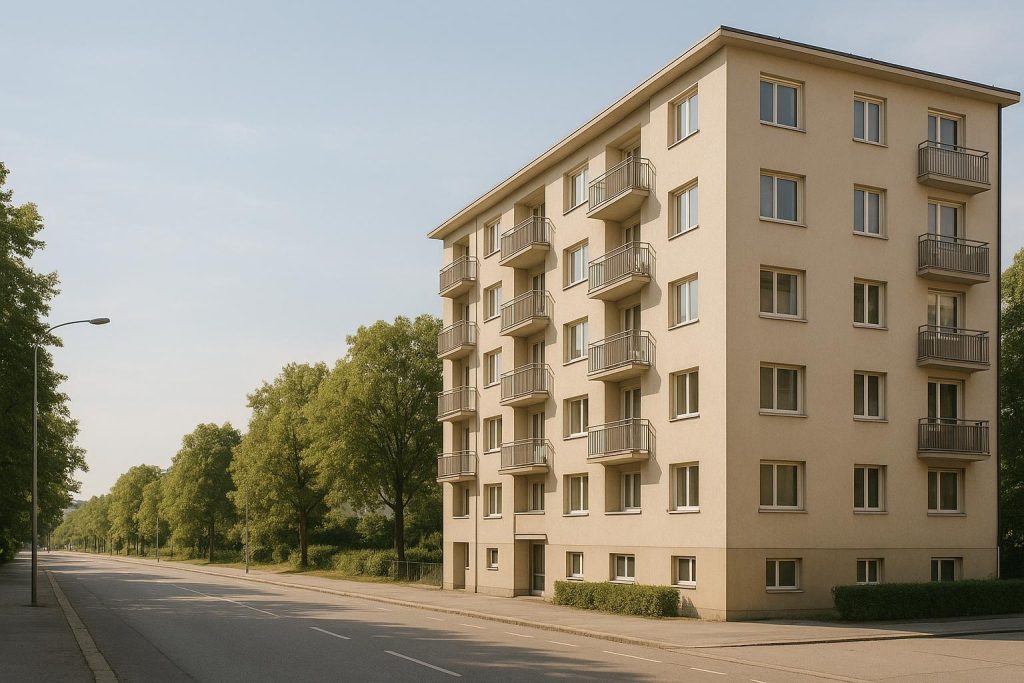
The Advantages of Investing in Multifamily Real Estate
Multifamily real estate—also called multi-unit residential properties—encompasses everything from small apartment buildings to larger rental communities. Investing in multifamily assets has long been a favored approach for those seeking dependable returns, diversification, and a tangible stake in local housing markets. The potential benefits can be significant, especially in regions experiencing strong demand for rental housing. Below, we explore why these properties attract both seasoned investors and newcomers looking for stable, long-term growth, and how this type of investment aligns with responsible development practices.
1. Strong Demand for Rental Housing
In most urban centers, demand for rental housing sits at an all-time high. Shifting demographics—such as younger professionals delaying homeownership or retirees wanting fewer homeownership responsibilities—bolster the overall rental market. This uptick in demand drives consistent occupancy rates, which, in turn, supports healthy cash flow for multifamily property owners. When you invest in multifamily real estate, you are typically tapping into a market segment where living spaces are in constant demand.
Multifamily developments answer a real need: people want well-connected, comfortable spaces to live without necessarily committing to buying property. This aligns with an increasing preference for flexibility and walkable, amenity-rich neighborhoods, making multifamily properties especially attractive over more volatile real estate investments.
2. Potential for Steady Income and Reduced Risk
While no investment is entirely without risk, multifamily real estate can offer greater stability than many other asset types. For one thing, multiple units mean diversified rental income. Even if one unit stands vacant, other units continue generating revenue. Compared to single-family homes, where one empty house equals zero income, this diversification can lead to more predictable earnings over time. A robust rental income stream helps offset potential fluctuations in market conditions.
An additional source of reduced risk lies in the nature of housing demand itself. People always need places to live, regardless of broader economic cycles. High-quality, well-managed multifamily properties tend to retain tenants, especially in markets where housing availability is constrained. This consistent demand can serve as a hedge against inflation and market turbulence.
3. Economies of Scale and Operational Efficiency
When you own multiple units within one property, scaling maintenance, management, and repairs can be more straightforward and cost-effective than overseeing scattered single-family homes. Rather than scheduling multiple vendors across various streets or neighborhoods, service calls and repairs take place at a single address—or across a few centralized properties. This streamlined approach can help keep operational costs in check.
Furthermore, shared amenities, from parking facilities to laundry rooms, can deliver tenant satisfaction without requiring an entirely separate set of resources for each unit. These operational efficiencies can translate into significant savings annually, reinforcing a multifamily investment’s bottom line.
4. Long-Term Appreciation and Equity Building
Investing in a multifamily property can also help build wealth through appreciation. As neighborhoods develop and local economies strengthen, well-located assets tend to rise in value. Responsible, community-focused developments have the added benefit of positively contributing to these neighborhood improvements, which can further enhance property value over time.
Meanwhile, every mortgage payment—whether supported in part or in whole by rental income—builds equity in the asset. This incremental equity growth can be substantial over the life of the investment, offering the opportunity to leverage or refinance for additional acquisitions or property improvements. In many cases, owners of multifamily properties begin to see compounding returns, as rising property values pair with ongoing reinvestment to create a virtuous financial cycle.
5. Portfolio Diversification
Real estate, in general, provides a degree of diversification away from traditional stocks and bonds. Multifamily real estate offers an added advantage: it is less correlated with certain economic downturns that may affect other forms of commercial property, such as office or retail spaces. Housing is a necessity, and rental communities often remain resilient even when consumer spending or business activity fluctuates.
Diversifying with multifamily investments can also help offset potential losses from other real estate types. Investors focused on building breadth in their portfolios often look to multifamily as a reliable mainstay, balancing higher-volatility assets with the steadiness of rental income.
6. Resilience in Changing Markets
Market cycles come and go, but high-quality rental housing tends to remain in demand. Economic uncertainty might prompt more people to rent rather than purchase homes, reinforcing stable occupancy rates. Multifamily properties in central, transit-friendly neighborhoods can be particularly resilient during downturns. If you prioritize developments that match local needs for transportation, affordability, and modern amenities, you put your portfolio in a position to weather market shifts more smoothly than investments tied to a niche market.
Responsible developers who plan around inclusive housing, thoughtful design, and community-driven features further insulate their projects from dramatic swings in market sentiment. When residents value convenience and genuine neighborhood connections, an investor’s asset becomes an integral part of the local fabric—less likely to experience steep drops in occupancy or long vacancies.
7. Shared Amenities That Enhance Tenant Satisfaction
Unlike single-family investments, multifamily properties allow for shared or communal amenities that can attract quality tenants and encourage longer stays. Thoughtfully designed spaces, such as well-lit common areas, efficient laundry facilities, or ground-floor retail, benefit the entire residential community. This typically elevates tenant satisfaction, which in turn reduces turnover and the associated costs of finding and screening new tenants.
Because these amenities serve multiple units simultaneously, the cost per tenant is spread out, often making it more affordable than adding these features to multiple single-family homes. Furthermore, shared amenities foster a sense of community, reinforcing retention and neighborhood cohesion.
8. Opportunities for Value-Add Improvements
Many investors look for properties with ‘value-add’ potential, meaning they can enhance the property to raise both the rental income and the asset’s long-term worth. Examples of value-add improvements include renovating common areas, adding secure entrances, or upgrading individual units with modern kitchens. These capital projects often lead to higher rents and attractive returns on the renovation costs.
In some cases, investors also find opportunities to reconfigure underutilized spaces—perhaps turning an unused storage area into a shared tenant lounge or adding secure bicycle parking in an underused corner of the garage. Over time, these improvements can contribute to increased property desirability, attracting tenants who prefer a well-designed, livable building over older or poorly maintained competitors.
9. Positive Community Impact
Surely, one of the more rewarding aspects of investing in multifamily units is contributing positively toward local housing supply and neighborhood vitality. Purpose-built rental communities, in particular, can address pressing housing shortages while also creating stable living options for those who do not wish—or are not yet prepared—to own property. Such developments encourage diversity within neighborhoods, fostering economic vibrancy.
When developers integrate long-term value and careful planning, they create environments where residents feel rooted and connected. Community-minded features, like green spaces or accessibility enhancements, can make a measurable difference in local quality of life. This combination of economic and social returns positions multifamily real estate as not only a potentially profitable venture, but also one well-aligned with responsible urban growth.
10. Professional Management and Support
Professional property management often plays a key role in successful multifamily investments. The ability to partner with—or hire—experienced managers means day-to-day operations, tenant relations, and maintenance tasks fall under expert oversight. This allows investors to focus on long-term strategy: planning upgrades, monitoring local market shifts, or exploring additional acquisitions. Good management underpins tenant satisfaction as well, ensuring prompt responses to maintenance requests and fostering a sense of trust.
Efficient, consistent management not only protects a property’s physical condition but also underscores the brand of the development, should the investor be associated with a specific real estate firm. Over time, a reputation for reliability and quality can help maintain stable occupancy, create word-of-mouth referrals, and bolster the property’s standing in the broader community.
Moving Forward with Multifamily Investment
For those considering a step into multifamily real estate, taking time to research specific neighborhoods, demand trends, and tenant preferences is essential. Metrics such as average vacancy rates, local development plans, and rental growth projections can guide decisions on where and when to invest. Additionally, understanding the regulatory environment—such as local zoning laws or new rental guidelines—can help inform responsible, community-friendly choices.
Some investors prefer newer developments that demand less initial capital outlay for improvements, while others seek value-add properties requiring renovation. Whichever path you choose, it can be advantageous to compare notes with reputable local developers who understand the intricacies of a given market. Engaging with professionals who have a strong track record can help you navigate challenges and optimize returns.
Responsible Development and Resource Integration
When you align your investments with responsible, community-focused developers, you increase the likelihood of generating both financial and social value. Purpose-built rental communities created with livability in mind tend to perform consistently, attract stable tenancies, and appreciate over time. If you are interested in seeing real-world examples of how thoughtful design and purpose-built rentals come together, you can Explore Our Projects to learn more about current and upcoming multifamily communities.
If you are researching quality residences for yourself or friends, you might also want to View Available Rentals in well-connected, thoughtfully planned neighborhoods. Whether you plan on investing or renting, multifamily developments can meet a range of lifestyle and financial objectives, provided they emphasize long-term value and local context.
Ultimately, investing in multifamily real estate remains a compelling avenue for generating steady income, diversifying a broader portfolio, and contributing positively to housing availability. By blending strong demand fundamentals, the potential for equity growth, and a tangible presence in evolving urban neighborhoods, multifamily investments stand out as a stable, community-relevant choice for many investors. With proper due diligence and alignment with the right partners, multifamily real estate can be a key component of a solid, resilient, and forward-thinking investment strategy.
