

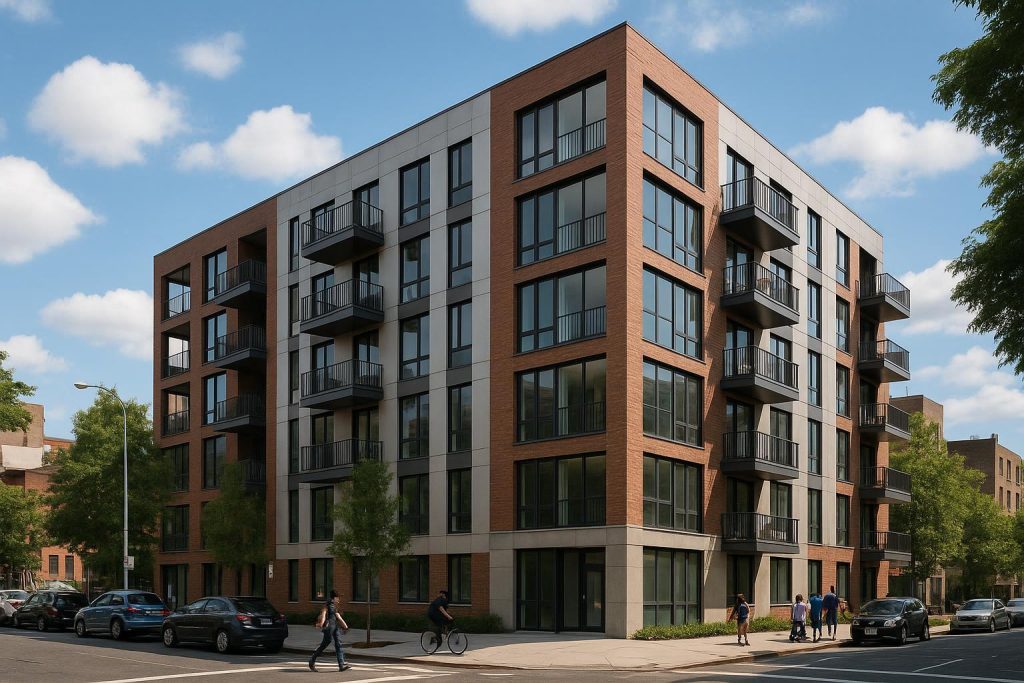
Multi-Family Housing as a Catalyst for Sustainable City Growth
Multi-family housing has become increasingly important in promoting sustainable city growth, especially as urban centers continue to evolve in response to population demands, environmental concerns, and community-driven planning. By focusing on higher density, energy-efficient design, and strategic locations, multi-family developments can help reduce sprawl, support local businesses, and create vibrant neighborhoods. In this article, we will explore how multi-family housing supports sustainable growth, what features make these developments especially important, and how such communities can foster both environmental and social benefits.
Addressing Increasing Urban Populations
One of the primary reasons cities need multi-family developments is because urban populations are growing exponentially. Providing more homes on smaller parcels of land means cities can accommodate more people while preserving valuable green spaces. When a single building or complex houses multiple families, it requires fewer resources and helps municipalities respond to the demand for housing without encouraging unchecked suburban sprawl. Instead of expanding outward, many forward-thinking municipalities are now working to build upward, concentrating on compact developments.
This high-density approach does more than simply increase housing stock. It relieves the burden on roads and infrastructure, as residents often live closer to job centers, public amenities, and essential services. As a result, there is less pressure on city budgets to maintain, repair, and extend infrastructure into distant areas. With a healthier balance of people and resources, municipalities can focus on improving existing neighborhoods instead of continually expanding to accommodate new growth.
Encouraging Urban Efficiency and Walkability
Multi-family housing is often located in walkable neighborhoods with easy access to shops, restaurants, and public transit. This arrangement makes it simpler for residents to complete daily tasks without relying heavily on personal vehicles. By placing residential homes near businesses and public spaces, communities become more functional and interlinked. This helps reduce traffic congestion and contributes to lower greenhouse gas emissions, as fewer cars are on the road each day. If you would like to learn more about the benefits of pedestrian-centered communities, you may find insights in our related FAQ on how apartments in walkable neighborhoods foster a sense of community.
Moreover, when people can walk or bike to essential services, they engage more with their surrounding environment, lending a sense of vitality to the neighborhood. Casual social interactions become frequent. Corner cafes, fresh produce markets, and local shops receive steady patronage, supporting small businesses and boosting local economies. Through this type of urban design, multi-family developments can become anchor points for enhanced community connections and sense of place.
Reducing Environmental Impact Through Density
Environmental preservation is a chief concern for many cities, and multi-family housing can assist in safeguarding natural areas. When families live in compact units that share common walls and systems—such as heating, cooling, or water delivery—they are more likely to use fewer total resources per person. This concept extends to shared amenities like green roofs, communal lounges, or energy-efficient lighting. By pooling resources, multi-family inhabitants often benefit from more cost-effective and resource-conscious living.
In addition, land savings occur when multiple households reside on a smaller footprint. Forests, farmland, wetlands, and other essential ecosystems can remain intact or be used for recreational activities instead of new housing. Cities that prioritize multi-family developments can more effectively protect bio-diverse areas around their peripheries, allowing for balanced growth that does not compromise future generations’ ability to enjoy nature. For those curious about investing in environmentally friendly projects, you can read our brief on whether now is a good time to invest in modern urban developments.
Promoting Social Interaction and Community Building
Although density is essential to sustainability, multi-family developments do more than stack units one on top of another. They are often designed to foster social engagement among residents. Rooftop gardens, landscaped courtyards, or communal gathering rooms encourage neighbors to get to know each other. These shared spaces can include libraries, multipurpose rooms for yoga or art classes, and comfortable seating areas for casual conversation. By bringing neighbors together, multi-family housing sparks mutual support networks and a strong sense of belonging.
These concentrated settings also foster intergenerational bonds. Young families, seniors, and professionals can live in proximity, sharing not only communal spaces but also experiences and perspectives. This can help break down social barriers, improving the quality of life for everyone. As a result, multi-family housing does more than just provide a place to live—it nurtures a culture of collaboration and empathy. Beyond the walls of a single complex, the larger neighborhood reaps the benefits of closely knit communities that can mobilize quickly to create local events and support local causes.
Efficient Use of Municipal Resources
Municipalities often struggle to supply adequate infrastructure as cities expand. Water, sewer, electricity, and road maintenance come with enormous costs. By concentrating more people in smaller geographic areas, multi-family housing allows cities to maximize the efficiency of these systems. Water lines and utilities need to travel shorter distances. Public transportation routes can be optimized, enabling more frequent service without incurring prohibitive costs.
When residents can access robust public transit or bike lanes close to home, it reduces the demand for extensive road construction and maintenance. Fewer single-family neighborhoods mean a decreased need for extensive networks of roads that serve fewer residents. This allows tax dollars to be reallocated into enhancing local services rather than supporting sprawling infrastructure. Over time, efficient resource usage contributes to a healthier municipal budget, ultimately benefiting homeowners, renters, and businesses alike.
Economic Viability and Local Business Support
Multi-family developments frequently appear in mixed-use areas, tying close residential living to retail, offices, and leisure destinations. Having people live near these establishments creates a steady consumer base—a crucial element for small businesses trying to stay afloat in competitive urban markets. When a grocery store, café, or gym is within walking distance of hundreds of families, it is more likely to thrive. This local synergy keeps dollars circulating within the community.
This dynamic also creates a magnet effect. New businesses are more willing to set up shop where a reliable market already exists. Over time, the presence of successful establishments leads to more job opportunities for local residents. The combination of living, commerce, and recreation in the same vicinity fosters a sense of civic pride and encourages community members to invest further in their neighborhoods. For those interested in how mixed-use developments are appealing to young professionals, understanding the economic synergy they generate is a key aspect.
Adaptability and Modern Design Features
One of the best ways to shape sustainable multi-family housing is to incorporate modern, eco-friendly design features from the earliest stages. Low-flow plumbing, energy-efficient appliances, and high-grade insulation all reduce resource consumption. In many multi-family buildings, designers also emphasize the use of natural light, ensuring units get proper ventilation. This reduces the need for artificial heating or cooling. These considerations have a ripple effect: residents become more conscious of their resource usage, while also enjoying lower utility bills and a healthier indoor environment.
Developers can also focus on flexible floor plans that adapt to diverse needs. Spaces can be configured for professionals who work from home, families who need extra storage, or retirees seeking relaxation spots. By catering to varying stages of life, multi-family housing remains relevant to more people over time. For further insights on what types of design features you should look for in a modern condo, our related FAQ offers guidelines on how to identify quality architecture in an urban environment.
Strengthening Sustainable Transportation Networks
High-density developments, by their very nature, provide opportunities to build or improve public transit systems. A concentrated population makes it easier for transit authorities to justify consistent bus or rail schedules. Consequently, it becomes more convenient and cost-effective for residents to ditch private cars in favor of public transportation, bikeshare programs, and even car-sharing services. This shift not only reduces the neighborhood’s carbon footprint, but also addresses traffic congestion.
In many modern multi-family projects, designers incorporate features like secure bike storage, electric vehicle charging stations, or rideshare connections. These elements reduce the environmental impact associated with daily commutes. They also empower residents to make greener lifestyle choices that benefit the entire city. The integration of sustainable transportation options can serve as a template for other urban areas seeking to minimize reliance on fossil fuels.
Fostering Resilient Neighborhoods
Neighborhoods with diverse housing options—ranging from multi-family to townhomes to single-family residences—tend to be more resilient during economic downturns or population shifts. Multi-family projects offer a reliable baseline of rental opportunities for those who cannot or prefer not to purchase homes. This flexibility ensures that local markets remain stable and can adapt more quickly when conditions change.
Moreover, multi-family homes can be particularly beneficial in transitioning older, underutilized areas into revitalized, thriving enclaves. Rehabilitating an older industrial block or repurposing a vacant lot for a new multi-family development can bring activity, jobs, and renewed investor interest to the region. To see examples of innovative approaches to purpose-built housing, feel free to explore our Projects that highlight sustainable design and community integration.
Balancing Urban Livability and Future Growth
Sustainability is not solely about the present; it’s also about planning for years, even decades ahead. Multi-family developments that emphasize purposeful design, robust amenities, and community engagement are better equipped to grow with the city and the evolving needs of residents. By fostering stable neighborhoods, these projects can serve as anchors that encourage further smart growth nearby. Future developments are likely to benefit from the infrastructures—transit lines, community centers, and established social networks—already in place.
High-density living does not have to compromise comfort. In fact, many modern multi-family properties feature green spaces, well-landscaped entries, or cozy indoor lounges. These thoughtful touches ensure urban living remains appealing and accessible. When you’re ready to learn more about how new real estate developments enhance urban living experiences, you might find it insightful to see how experts incorporate sustainable building strategies and resident-friendly designs.
Conclusion: Building Responsible Communities for the Future
Multi-family housing lies at the heart of sustainable city growth. By housing more people in less space, municipalities can reduce environmental impact, preserve natural areas, and streamline resource allocation. Communities benefit from walkable neighborhoods, thriving local businesses, and opportunities for social interaction. Rather than fueling sprawl, high-density projects channel growth into existing infrastructure, saving resources and ensuring a better quality of life for citizens.
Equally important are the social advantages: people from different walks of life engage, share amenities, and strengthen community ties. In today’s rapidly changing world, adaptability is not a luxury—it is a necessity. Multi-family developments that integrate thoughtful design, flexible floor plans, and eco-friendly practices provide that adaptability. They embody an environment where future generations can thrive, businesses can prosper, and neighborhoods can evolve while staying true to their distinctive character.
Whether you are a renter looking for a well-connected and comfortable place to call home, a city official seeking innovative ways to address housing shortages, or an investor hoping to remain sustainable and profitable, multi-family housing has much to offer. If you’re interested in learning more or want to see how community-driven values shape real estate, you can explore our existing Projects or read about the benefits of new real estate developments in our FAQs. By embracing multi-family communities, we can all participate in creating responsible cities that remain livable, efficient, and welcoming to generations yet to come.
