

Sustainable Innovations in Multi-Family Housing: A Deep Dive
In today’s residential development landscape, sustainability is no longer just an optional feature—it is a defining priority that shapes how multi-family housing projects are planned, built, and operated. From strategic building orientation to eco-friendly materials, developers are embracing breakthroughs that benefit both residents and the environment. This comprehensive guide explores a range of emerging green building innovations, highlighting how they can improve long-term livability, reduce carbon footprints, and offer lasting value to tenants, investors, and communities alike.
Reducing Environmental Impact Through Responsible Construction
One of the earliest opportunities to promote sustainability in multi-family housing takes place well before residents move in: during construction. Builders increasingly rely on responsibly sourced timber and other certified materials to minimize the depletion of natural resources. By selecting lumber from suppliers who follow responsible forestry practices, developers reduce soil erosion, preserve wildlife habitats, and ensure forests can thrive for generations to come.
Beyond materials, construction practices themselves are becoming more refined. Modular building techniques, for instance, produce less waste and often require fewer on-site resources. They also streamline labor needs, tying into a broader industry shift of prioritizing efficiency in every stage of development. From using local suppliers to employing low-emission construction vehicles, each detail can help reduce the project’s overall environmental footprint.
Passive Design: Harnessing Natural Elements
A central trend in multi-family development is the incorporation of passive design elements. Passive design relies on the natural environment to regulate indoor temperatures, thereby reducing or even eliminating the need for constant heating or cooling. Key strategies include orienting buildings for maximum sun exposure in cooler climates and leveraging shaded facades to mitigate heat in warmer regions. When curated effectively, such design principles ensure that residents enjoy a consistent indoor climate with minimal reliance on mechanical systems.
Natural ventilation is another core facet of passive design. Well-placed windows allow fresh air to flow through living spaces, reducing the need for air conditioning and bolstering indoor air quality. This approach pairs well with high-performance windows and insulated walls, trapping warmth in winter and maintaining a comfortable indoor temperature when outdoor conditions are harsh. The result is a pleasant living environment that demands less from HVAC systems and decreases the building’s overall energy consumption.
Advanced Materials for Greater Efficiency
As the technology behind sustainable materials evolves, so does the potential for eco-friendly multi-family housing. Insulation is a prime example. Modern insulation products are more efficient and thinner than ever, offering superior thermal performance without impacting the architectural design. Some innovative developments leverage materials such as aerogel-based insulation or natural alternatives like sheep’s wool, which provide insulation benefits while maintaining lower environmental impacts compared to synthetic options.
Other breakthroughs include recycled steel for structural framing and low-VOC (volatile organic compound) paints for interior spaces. By adopting low- or zero-emission products, developers can help keep chemical pollutants out of residents’ homes, contributing to a healthier indoor environment. These material choices also diminish the carbon footprint associated with building maintenance, making them exceptional long-term investments.
On-Site Energy Generation and Storage
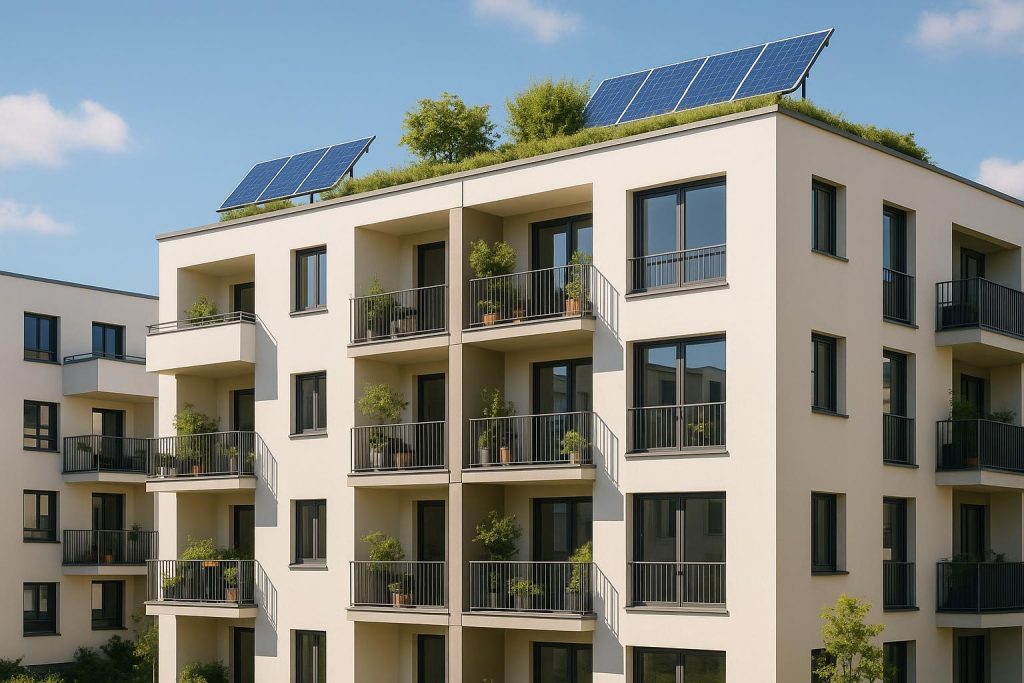
Rooftop solar panels and integrated photovoltaic systems have become increasingly common in new multi-family housing. By generating a portion of their own clean power, these residential complexes can lower utility bills while reducing dependency on non-renewable energy sources. Rooftop gardens can also coexist with solar arrays, creating a beneficial synergy: while solar modules capture energy, the greenery helps moderate building temperature and manage stormwater.
Battery storage systems represent another significant leap. By storing surplus solar energy during off-peak hours, buildings can tap into that power when electricity rates spike or when the sun is not shining. The result is a more reliable renewable energy supply, enabling greater grid independence and more predictable energy costs. Over time, these setups can significantly drive down operational costs, making them highly attractive to both building owners and tenants.
Biophilic Design: Connecting Residents with Nature
Beyond purely functional innovations, an emerging trend in multi-family settings is biophilic design—spaces thoughtfully integrated with natural features. Deploying living walls throughout corridors and courtyards infuses the space with greenery, while common areas featuring water elements provide subtle sensory benefits. These design choices are not merely aesthetic. Research repeatedly shows that people exposed to natural elements often experience reduced stress and enhanced well-being.
Community garden plots and landscaped rooftops are also increasingly popular. These spaces give residents a chance to grow their own produce, cultivate ornamental plants, and interact with neighbors in a natural setting. In addition to improving social connectivity, biophilic elements boost urban biodiversity, inviting pollinators like bees and butterflies to flourish in the city. This approach resonates with people who value sustainable living, helping enrich day-to-day experiences for everyone in the building.
Enhancing Indoor Air Quality with Filtration and Materials
Indoor air quality has a direct impact on resident health and comfort—an especially important consideration when multiple households coexist in a shared structure. Ventilation systems with advanced filtration can capture allergens, particulates, and pollutants, ensuring fresh air circulates throughout the building. Paired with non-toxic paints, sealants, and adhesives, these systems substantially reduce exposure to harmful substances.
If you are curious about how new apartments integrate eco-friendly design elements to improve air quality, you may find our related FAQ helpful: What eco-friendly design elements do new apartments include to improve indoor air quality?. By carefully choosing materials and engineering proper airflow, multi-family residences today can offer a level of wellness once associated only with premium single-family homes.
Long-Term Cost Savings and Investment Value
Implementing these innovations is not just about reducing emissions or improving comfort levels. It can also provide considerable financial advantages for both renters and property owners. For instance, envelope improvements like airtight construction and premium insulation lead to lower heating and cooling expenses, a crucial benefit in larger buildings where energy consumption can grow rapidly.
Investors often view green features as a way to future-proof their portfolios. As climate regulations tighten, properties with sustainable amenities may become more valuable in both rental and resale markets. Additionally, there can be economic incentives—some regions offer tax breaks or rebates for developers who meet higher efficiency standards. To explore such possibilities, take a look at our FAQ on tax incentives for investment opportunities in sustainable buildings. By staying informed about these incentives, developers and stakeholders can leverage sustainability as both a financial asset and an ethical imperative.
Certifications and Standards
Green building certifications, such as LEED (Leadership in Energy and Environmental Design), Passive House, and WELL, serve as benchmarks, helping multi-family projects demonstrate measurable sustainability improvements. Buildings that comply with these certifications undergo stringent evaluations, which often include energy efficiency, water use, indoor air quality, and material sourcing. If you would like to learn more, check out our FAQ on common green building certifications in modern developments. Earning a recognized certification can assure renters, buyers, and municipal regulators that the property aligns with modern sustainability standards.
Certification also offers an opportunity for ongoing performance checks, ensuring that energy savings or indoor air quality metrics remain on track. For investors, these certifications can substantially increase property value and marketability. Moreover, municipalities frequently encourage or even mandate compliance with certain green standards as part of their broader climate action plans, making certified developments increasingly appealing from regulatory and community perspectives.
Supporting Community Vitality and Neighborhood Revitalization
Many of the innovations described here do more than just reduce pollutants. They can also enrich the surrounding community. Green courtyards that are accessible to neighbors, for instance, can create welcoming shared spaces that cultivate social engagement. Similarly, a building that cuts down on its energy demand can reduce local infrastructure strain, making it a partner in broader neighborhood revitalization efforts.
For deeper insights into how sustainable features can support entire neighborhoods and improve urban environments, you may be interested in our FAQ on how green building elements support neighborhood revitalization. Ultimately, successful multi-family housing solutions consider the wider context: from prioritizing livability for residents to helping build stronger, more cohesive neighborhoods.
Preparing for the Future with Resilient Design
Building for resilience is a growing priority in regions that face unpredictable weather patterns, seismic activity, or rising sea levels. Multi-family developers often incorporate stronger structural frameworks, advanced drainage systems, and robust building envelopes to withstand environmental stresses. Strategic landscaping can also mitigate flooding risks, and selecting reinforced materials helps shield buildings from weather-related damage.
By emphasizing resilience, developments can deliver lasting value in dynamic urban environments. In many cases, future-proofed design also involves analyzing regional climate data to anticipate potential risks. For residents, resilience features mean peace of mind. For investors or owners, it means safeguarding an asset against future uncertainties. Taken together, these approaches reflect a vision of development that does not merely meet current demands but anticipates evolving conditions for years to come.
Integration of Mixed-Use Spaces and Green Amenities
Integrating community-driven commercial spaces within residential projects has become a hallmark of modern design. Mixed-use developments that seamlessly incorporate retail, office, or dining options often see higher walkability scores and improved quality of life for residents. When these projects incorporate green spaces—like rooftop terraces, landscaped plazas, or small herb gardens—they further elevate the communal experience and encourage sustainable living habits.
If you are interested in how mixed-use buildings thrive when green elements are included, consider reading our FAQ on how mixed-use developments benefit from integrating green spaces. Such developments can attract tenants valuing convenience and environmental awareness. They also help anchor communities, turning residential complexes into local hubs of social and economic activity.
Practical Guidance for Renters and Developers
Renters searching for eco-friendly homes should pay close attention to fundamental green building characteristics. Energy-efficient lighting, ample natural daylight, and robust insulation are typical indicators of a well-executed sustainable building. Similarly, if a property offers communal gardens or biophilic features, it suggests a thoughtful design approach that promotes quality of life. You can dive deeper into this topic through our FAQ on what to look for when seeking eco-friendly rentals.
Developers, on the other hand, may want to explore how these eco-friendly features align with community objectives and market demand. Reviewing case studies of similar projects can provide insight into cost savings, occupancy rates, and community reception. Monitoring local regulations is also vital, as many regions continue to adapt their building codes to push for more sustainable practices. This alignment not only paves the way for a smoother entitlement process but also demonstrates a commitment to collective, responsible development.
A Holistic Approach to Urban Living
Embracing green innovations in multi-family housing requires a holistic approach, balancing occupant comfort, environmental integrity, and financial merit. Carefully chosen materials, well-executed passive design, on-site energy production, and biophilic features all interconnect to enhance well-being. When woven together, these strategies help projects remain relevant, providing adaptable solutions that can meet evolving occupant and environmental needs.
In this regard, sustainability becomes a guiding principle rather than a check-box. While the upfront investment in some of these measures may appear higher, the long-term gains—in energy savings, resident satisfaction, and property value—are considerable. Over time, these developments create resilient, forward-thinking communities that stand apart in a competitive real estate market.
Explore Real-World Examples
If you would like to see how such features are applied in actual multi-family housing, feel free to explore our Projects. You will find examples where thoughtful design merges with responsible construction to meet modern expectations for comfortable, efficient, and inclusive living spaces. From advanced insulation strategies to lively rooftop gardens, each project showcases how sustainable innovations can uplift everyday quality of life.
Whether you are a prospective renter, a real estate investor, or an urban planner, sustainable multi-family housing methods are reshaping how we think about residential development. By focusing on environmentally responsible construction, leveraging new technology, and centering occupant well-being, a better and more eco-friendly living experience emerges. Through these innovative strategies, multi-family housing can become a catalyst for positive change—nurturing both residents and the broader community, today and for decades to come.
