

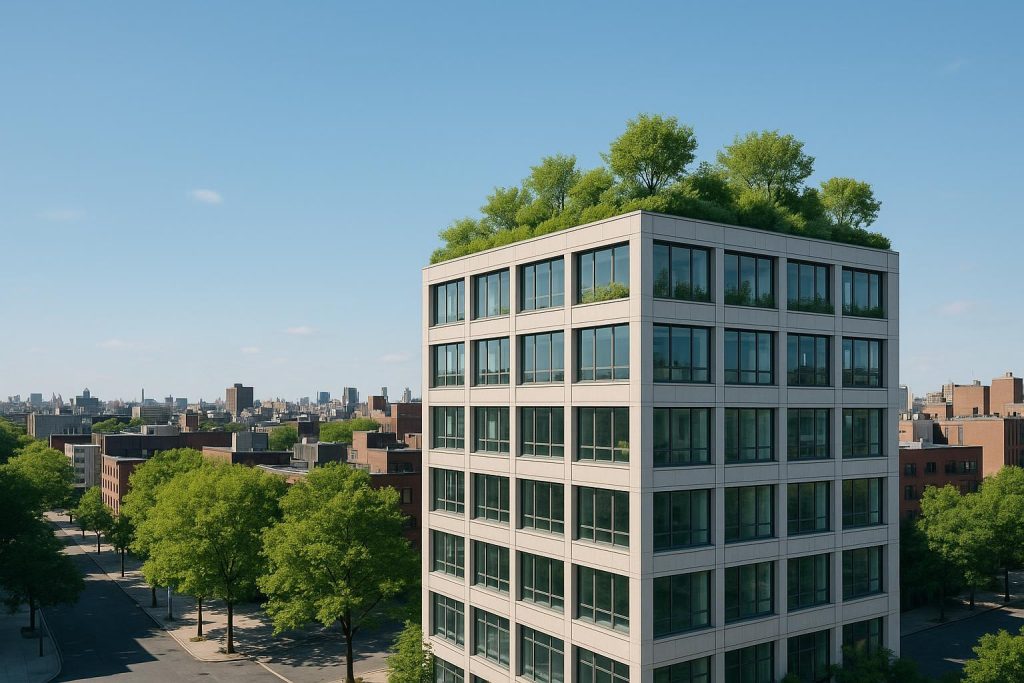
Exploring Tax Incentives for Sustainable Building Investments
Investing in sustainable buildings not only helps support environmentally responsible development, but it can also lead to substantial tax benefits over the lifespan of the property. Various regions around the world adopt policies and programs that lighten the financial load on developers and owners who introduce features like solar power, high-performance insulation, or eco-friendly mechanical systems. In this FAQ, we will explore different types of tax incentives, how local regulations can influence these benefits, and steps for integrating sustainability into your next property investment.
Why Governments Offer Tax Incentives for Green Construction
Governments recognize that reducing energy consumption, cutting carbon emissions, and improving indoor environmental quality can bring collective benefits. To encourage sustainable building features, public authorities often provide tax-related benefits or other fiscal rewards to stimulate green construction practices. These measures aim to reduce the long-term ecological impact of buildings while supporting healthier spaces for residents and tenants. Ultimately, it is a way for local, provincial, and federal governments to partner with private developers, real estate investors, and homeowners in meeting ambitious sustainability targets.
By introducing these incentives, authorities hope to promote the adoption of eco-friendly design. The tax benefits are part of a broader strategy to reduce resource consumption and to encourage innovations that can reshape communities for the better. If you are curious about the broader impact of environmentally friendly designs, you may find it helpful to explore how these features tie into community-focused development objectives. For instance, our FAQ on How do green building elements support neighbourhood revitalization efforts? delves deeper into how small-scale improvements can ripple outward, boosting community well-being and property values.
Common Types of Tax Incentives
Tax incentives for sustainable building investments take many forms. Generally, they fall under three major categories:
- Property Tax Abatements: Some municipalities reduce or exempt part of a property’s tax burden if it meets sustainability benchmarks, such as energy-efficiency standards or water conservation targets. The savings can be significant, particularly for property owners in higher-tax jurisdictions. Over time, these reductions can improve a building’s profitability and resale value.
- Accelerated Depreciation Schedules: Under certain programs, owners of energy-efficient or renewable-energy equipment can write off their investments more quickly for tax purposes. This faster depreciation schedule translates to a reduced tax liability in the early years of ownership. It is particularly beneficial for large capital expenses like solar panels, geothermal systems, and advanced HVAC installations.
- Direct Tax Credits and Deductions: Some regions issue direct credits for installing green systems. For example, certain jurisdictions give credits for upgrading to high-efficiency windows, advanced insulation, or renewable energy sources. In other cases, building owners might deduct the full or partial cost of qualifying systems or upgrades from their tax bills.
These incentives reflect efforts to shift construction and operational practices toward lower-impact solutions. If investors adopt these features early in the planning stage, they can take advantage of multiple programs simultaneously—from tax rebates to direct subsidies or financing support. For more on how energy-efficient solutions can make a real difference for property owners, you may wish to review our FAQ Do green features offer long-term value to real estate developments?.
Regional Variations in Eco-Incentive Programs
Because legislation and environmental priorities differ from region to region, the scope of available incentives can vary widely. In some places, property owners may benefit from reduced property taxes over several years if they achieve certain benchmarks (e.g., LEED Silver certification or meeting net-zero energy standards). This arrangement rewards long-term commitment to green design. Elsewhere, governments may offer rebates for water-saving measures, like installing efficient fixtures or implementing gray-water recycling systems.
For that reason, diligent research is crucial. Individuals and businesses looking to invest in green buildings should begin by reviewing official guidelines from local authorities, state or provincial programs, and federal legislation. Municipal offices frequently publish up-to-date materials about current incentive structures, including deadlines and eligibility conditions. Because regulations shift over time, verifying the details ensures you do not miss out on any significant fiscal advantages. You might also want to consult a qualified tax professional in your area. They can help navigate the precise deductions and credits available, while sharing updates relevant to your project’s timeline.
Qualifying Criteria and Certification Standards
Many incentive programs require specific performance benchmarks or third-party certifications. These benchmarks can be tied to a building’s overall environmental impact, water usage, or energy efficiency. Programs may also demand that you use certain materials, verify installation processes, or meet design requirements. Understanding the rerquirements is essential so that you can plan construction details to align with those benchmarks from the start.
For instance, some tax credit programs necessitate compliance with recognized green building certifications, such as LEED (Leadership in Energy and Environmental Design), Passive House, or regional equivalents. If you wish to learn more about the various benchmarks that modern projects often employ, we cover them in our FAQ, Which green building certifications are most common in modern developments?. By adhering to industry standards, developers can avoid last-minute changes or missed requirements and, instead, ensure a smooth qualification process for the incentives they are seeking.
Key Steps to Pursuing Tax Incentives
Navigating the realm of tax incentive programs can be simpler if you break down the steps:
- Identify Local Guidelines: Start by locating local, provincial, or federal policies related to energy efficiency, renewable energy, or water conservation. This usually involves checking government websites or talking to municipal representatives in your area.
- Consult Professionals: Accountants, tax advisors, and green building consultants can guide you through paperwork, building regulations, and eligibility checkpoints. They can also ensure you remain compliant with each program’s stipulations.
- Incorporate Requirements into Design: If possible, align your building design or renovation with incentive criteria early in the process. This might entail specifying certain products (e.g., high-efficiency heat pumps) or implementing eco-focused construction methods (e.g., advanced framing or eco-friendly insulation systems).
- Complete Relevant Applications: Provide the required documentation, such as proof of energy modeling results or inspection certificates, and keep a record of your project’s progress if required by the applicable authorities. In some cases, you might need to re-certify your building at intervals over the life of the incentive.
- Track Deadlines and Renewals: Many tax rebate, credit, or abatement programs have expiration dates or require renewal. Monitoring these dates ensures you do not inadvertently lose benefits or miss out on a time-sensitive opportunity.
While the application process can get complex, the financial benefits—both immediate and long-term—often outweigh the administrative costs.
Leveraging Energy Modeling and Building Performance Audits
Modern-day incentive programs frequently encourage or require owners to provide detailed energy modeling or performance audits. These tools offer a robust depiction of how the building uses resources, from heating and cooling efficiency to overall power consumption. The results of these audits can indicate if your property meets specific efficiency thresholds, thus opening the door to valuable incentives.
Energy modeling can also suggest areas for improvement, helping you identify which upgrades deliver the best return on investment. For example, advanced simulations might reveal that a more efficient ventilation system, paired with a green roof, could cut operating costs substantially. These measures tend to translate into better occupant comfort as well, especially in multi-family residences. If you’d like more insight into how sustainable features keep building operations more energy-efficient, we detail those aspects in How do sustainable features help make condos more energy-efficient?.
Aligning Sustainability with Investment Objectives
Many real estate investors look for opportunities that wield both financial rewards and positive community impact. Integrating green building measures early in a project can help developers and investors qualify for tax incentives, but the advantages do not stop there. Energy savings over time, enhanced property value, and a marketable reputation for environmental leadership can boost the building’s appeal to potential tenants or buyers. Furthermore, investing in sustainability may lower operating costs, improving long-term returns on investment.
If you are exploring real estate ventures that place sustainability at the forefront, aim to incorporate eco-conscious planning from day one. Whenever possible, choose durable, energy-efficient materials, especially those tested for longevity. Look for ways to reduce water usage, minimize waste, and improve indoor air quality. Over time, these design choices foster a healthier indoor environment and reduce maintenance costs. Additionally, adopting strong green design principles can help your development stand out in competitive markets, as more people become conscious of environmental issues.
Where to Begin with Sustainable Projects
Although researching local programs and certifications is essential, partnering with the right development team can also streamline the process. At Vittori, for example, our approach to building often includes an emphasis on environmental responsibility, long-term livability, and community-minded construction. We manage the process from design to completion, ensuring that each project meets rigorous quality standards while aligning with local legislation. If you would like to see examples of these design choices in action, feel free to explore our Projects page.
Besides the potential financial returns and ethical considerations, focusing on sustainability is part of a broader movement toward responsible development. Investors who capitalize on these tax incentives not only lower their bottom line but also play a leadership role in shaping how homes and communities evolve. This is especially relevant in areas where population growth and resource constraints demand innovative solutions. Each project that embraces green building helps pave the way for more efficient, healthy neighborhoods.
Final Thoughts
Pursuing tax incentives for sustainable building investments is a rewarding strategy. You can decrease your tax liabilities, encourage energy efficiency, and promote a positive environmental impact all at once. The key is understanding each program’s requirements and incorporating green building principles right from the start. Working with adept professionals in design, construction, and tax planning can maximize your return on investment while keeping you on track with local regulations.
Remember to stay updated on shifting policies. Governments continually refine their incentive structures in response to new technologies and evolving climate objectives. By staying alert and exploring these opportunities, you can align your development goals with broader community ambitions. This sense of alignment benefits everyone involved: investors, residents, and the planet. If you are curious about more ways to integrate sustainability into your approach, consider reviewing related FAQs, such as What new sustainable design innovations are emerging in multi-family housing projects?. These resources delve into emerging trends that can further enhance the value and impact of your sustainable investments.
Taking advantage of tax programs for green construction is not only about realizing potential cost savings—it also signifies a dedication to building spaces where residents can thrive in the long term. By harnessing these incentives, you directly contribute to a future in which buildings are designed for people, reflect the character of their neighborhoods, and stand out as models of responsible development.
