

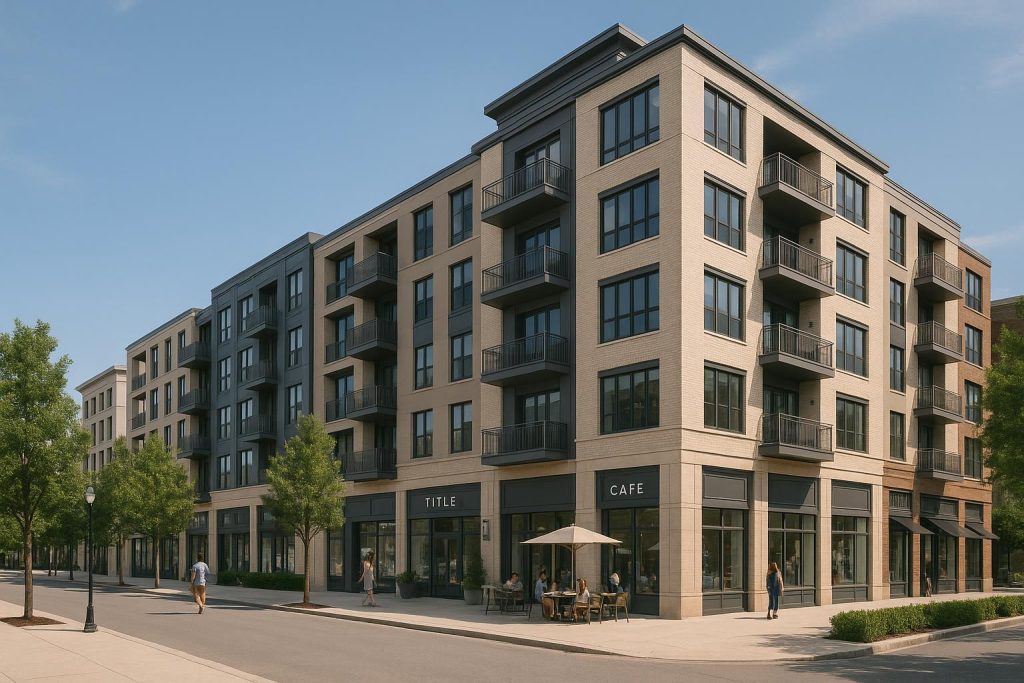
The Role of Mixed-Use Facilities in Exclusive Estate Developments
When people think of exclusive estate developments, they often picture elegant architecture, private residences, and serene landscapes. Yet these properties can also benefit from a broader range of facilities that blend residential, commercial, and communal functions. Mixed-use elements in exclusive estate designs do not diminish the sense of refinement or privacy. Rather, they can enhance the livability, long-term value, and sense of community that residents enjoy.
This expanded look at mixed-use facilities explores how they appear within exclusive estate developments, what benefits they offer, and how they balance prestige with practical convenience. Whether you are an investor, a prospective resident, or just curious about the future of upscale communities, a better understanding of mixed-use spaces can guide you in navigating these refined environments.
Understanding the Appeal of Mixed-Use Facilities
Mixed-use facilities combine different functions—such as retail shops, boutique workspaces, residential units, or public gathering areas—within a single, carefully planned environment. This concept has its roots in urban development, where integrated districts make neighbourhoods more vibrant and connected. Within exclusive estate developments, these facilities must reflect the privacy, security, and upscale aesthetics that define a luxury environment.
One core appeal is convenience. Residents can walk to a café or specialty shop without leaving the comfort of their estate community. These spaces might include restaurants that serve healthful, locally sourced meals or wellness centers that help residents maintain a balanced lifestyle. With each addition, developers aim to provide amenities that align with both the expectations of those seeking exclusivity and the idea of living in a well-connected setting. Mixed-use elements, when thoughtfully scaled, allow residents to flourish in a location that caters to many aspects of daily life.
Preserving Prestige While Embracing Integration
Some might question how an exclusive estate development can retain its prestige if it includes non-residential spaces. The answer lies in design and curation. Developers often enlist architects and planners who specialize in balancing form and function. For instance, a small artisanal bakery may stand at the heart of the estate, featuring elegant landscaping and discrete signage that blends into the community’s visual identity. The bakery caters to health-conscious residents, providing fresh products and a gathering spot without interrupting the estate’s peaceful atmosphere.
Likewise, a high-quality spa or salon within the development may serve as both a relaxation amenity and a social venue, enhancing the estate’s stature. These carefully chosen facilities do not have to resemble a bustling public square. Instead, they are integrated in ways that respect privacy and maintain the architectural themes often found in exclusive environments. To explore how these themes come together, you might read more in Are there common architectural themes in exclusive estate developments?. Such planning ensures the estate remains a calm haven while offering day-to-day conveniences within easy reach.
Benefits for Residents and Investors
Mixed-use features can deliver multiple advantages for different stakeholders in an exclusive estate development. On a practical day-to-day level, residents have easy access to essential services. A small grocery store or pharmacy within the estate might save them from traveling outside for staples. Likewise, thoughtfully placed coffee shops or fitness studios provide social engagement and wellness opportunities.
Investors may also see advantages in developments that balance residential and commercial elements on-site. Mixed-use properties can exhibit strong resilience over time. If certain economic shifts affect purely residential communities, a balanced presence of small-scale retail, dining, or even co-working areas may help maintain steady foot traffic and overall vitality. The diversification of uses often enhances the longevity and appeal of the project, reflecting a responsible development approach that benefits both individual owners and the wider local economy.
Creating a Sense of Community
One of the concerns in very high-end or exclusive residential areas is that they can sometimes feel isolated or disconnected. Mixed-use facilities bridge this gap by bringing neighbors together through shared amenities. A carefully curated boutique or a small monthly market stall can turn an otherwise purely residential complex into a meaningful social hub. This fosters organic connections and ensures residents do not feel secluded.
Developers who recognize the power of community-driven design look at how best to place communal spaces. They understand that elements like landscaped courtyards, small event pavilions, or local cafes encourage spontaneous interaction. By weaving these amenities into the estate’s design, they invite neighbors to engage with one another in a relaxed, upscale setting. For deeper insights on how these elements might accommodate extended or multi-family living arrangements, you can consult Can exclusive estate designs accommodate multi-family living?.
Scaling and Privacy: The Art of Balance
Ensuring that mixed-use components do not undermine the serene character of an exclusive estate requires thoughtful planning. Calibrating the size of commercial venues and selecting appropriate tenants is key. Instead of large chain stores, developers often opt for small specialty retailers, organic food shops, or private wellness clubs that match the community’s tastes.
Site design also plays a crucial role. Commercial spaces may be situated closer to the estate’s main entrance, providing a subtle buffer between private residences and public amenities. Landscape features—such as hedges, trees, or garden walls—can help preserve the tranquil atmosphere. By paying careful attention to aesthetic harmony and accessibility, developers can ensure privacy remains intact without sacrificing the convenience and vibrancy that mixed-use spaces bring.
Enhancing Livability and Long-Term Value
When exclusive estate developments incorporate mixed-use facilities responsibly, they significantly elevate the everyday experience of residents. Quick access to fresh produce, fine dining, or boutique services heightens the sense of pleasure in daily routines. Yet developers do not stop at retail or casual dining. Some estates integrate co-working lounges or small cultural venues where residents gather for art exhibitions, lectures, or musical performances. This sort of well-rounded environment not only caters to diverse lifestyle needs, but also bolsters the estate’s reputation for delivering a holistic living experience.
Such strategic planning can have a positive effect on property values. Mixed-use features that align with the estate’s character remain a selling point, demonstrating that the development is designed with people’s evolving preferences in mind. As time goes on, well-maintained communal facilities and curated commercial options can support higher demand, both for purchases and rentals. For an expanded look at how rental demand may be impacted, see What factors affect rental demand for exclusive estate designs?.
Supporting Future Community Growth
Communities are not static. They expand and shift in response to economic, cultural, and demographic changes. Because of this, developers and future residents of exclusive estates also benefit from mixed-use planning that anticipates community evolution. A carefully placed commercial space may adapt to different uses over time, whether it becomes a new technology hub, a local art gallery, or remains a café. This flexibility helps the estate remain relevant and responsive well into the future.
Residents appreciate when their neighborhood has the capacity to evolve and keep pace with external shifts. A suitable question often arises: How do exclusive estate designs account for changes in local infrastructure or population growth? For more details, you can review Does an exclusive estate design take into account future community growth?. Forward-looking estates equip themselves with space and design frameworks that can pivot based on the shifting needs of residents and businesses alike.
The Synergy with Architectural Themes
To ensure that mixed-use features harmonize with the overall design, architects often choose materials and layouts that emphasize coherence. They may incorporate unified color palettes, consistent landscaping styles, or complementary facades that tie everything together, from private residences to storefronts and communal areas. In an exclusive estate setting, these details matter. It is not enough to install a row of shops; they must merge seamlessly with the rest of the property’s architectural motifs.
This emphasis on a unified aesthetic underscores the notion that exclusivity does not conflict with practical amenities. Rather, it enhances them. Carefully implemented mixed-use concepts can even emphasize the estate’s distinctiveness. Much like the factors that make an estate design truly exclusive—detailed in What key design features make a property qualify as an exclusive estate design?—the integration of multiple functions can stand out as a mark of innovation and thoughtful vision.
Comparisons with Conventional Urban Developments
Anyone pondering the differences between exclusive estate developments and typical urban districts might question whether they share much in common. After all, a cityscape can include apartments stacked above shops, while a private estate can limit access only to residents and guests. Yet both forms rely on the principle that proximity to convenience cultivates vibrancy. The distinction in an exclusive estate usually lies in the scale of available services, the curated identity of the shops, and how their design respects privacy.
If you are curious about how such developments might compare to more traditional urban condos, you can explore How do exclusive estate designs differ from typical condos in Vancouver?. That comparison clarifies why mixed-use amenities in exclusive estates lean toward boutique experiences, often accompanied by lush green spaces and carefully planned common areas.
Sustainability Considerations
Mixed-use designs can also support sustainability objectives if carried out with long-term efficiency in mind. Reducing the need for frequent car travel is one benefit that resonates with eco-conscious residents. For instance, if a small selection of essential services are on-site, individuals may walk or cycle to shop for everyday items. Similarly, some estates invest in green building methods, renewable energy sources, and water conservation. These steps align with how many developers approach agility and environmental stewardship. To learn more about the sustainability angle, you can check Is sustainability a priority in exclusive estate designs, and how is it implemented?.
Maintaining exclusivity while caring for the environment is possible when planning includes energy-efficient systems, rainwater harvesting, or innovative landscaping with native plants. Such features reduce the development’s ecological footprint and contribute to a healthier environment for current and future residents.
Finding Inspiration and Next Steps
For a closer look at how upscale communities incorporate retail, dining, and communal spaces, you can explore our Projects page. This resource showcases different design approaches and highlights how each project contributes to the neighborhoods they inhabit. Examining these real-world examples reveals how thoughtful planning and curated amenities can coexist with a sense of distinction.
Mixed-use facilities are no longer an afterthought in exclusive developments. They are central to building well-rounded estates that cater to modern lifestyles. This integration can enhance day-to-day life and increase long-term property values, all while reinforcing the estate’s reputation for quality and refinement. By embracing mixed-use principles, developers offer owners an environment that is as convenient as it is exclusive. Whether you are looking to invest, seeking a new home, or simply wishing to expand your understanding of high-end residential design, the presence of mixed-use amenities is a sign that exclusivity can coexist with community, convenience, and connection.
Ultimately, exclusive estate developments have the flexibility to evolve. Incorporating mixed-use elements is part of building for the future, ensuring that these properties remain vibrant and relevant in a rapidly changing world. By taking a balanced approach—blending elegance, quality, and practicality—such estates become dynamic environments that prioritize livability, supporting not just individual residents but the broader community as well.
