

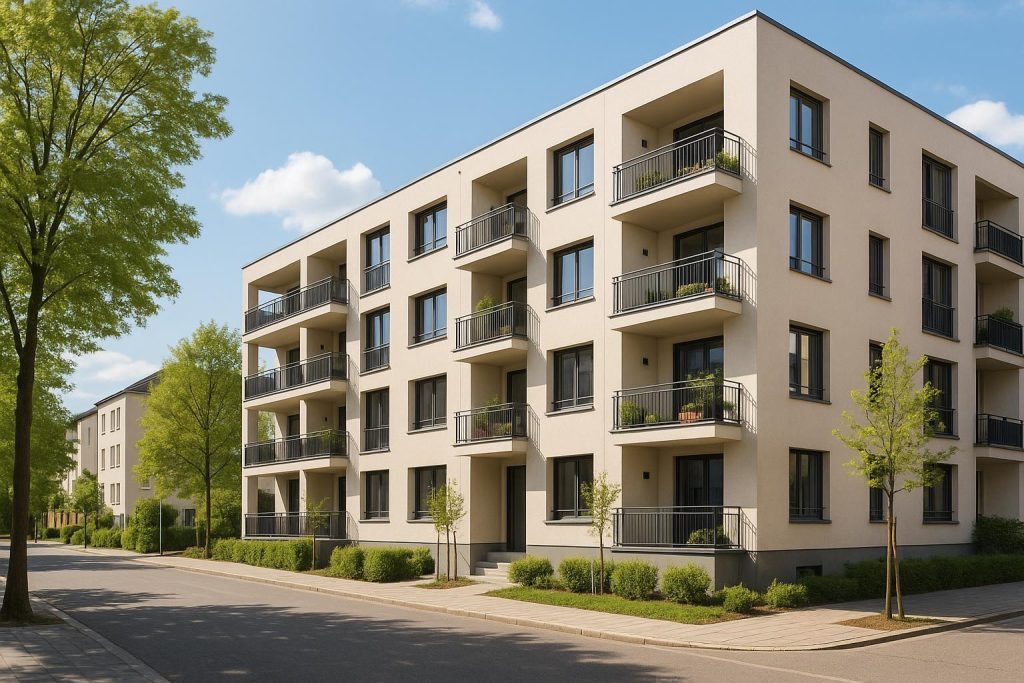
Understanding Why Multi-Family Upscale Residences Can Be More Sustainable
Multi-family upscale developments have gained attention for incorporating advanced, environmentally responsible features without compromising comfort or aesthetics. But are these residences genuinely more sustainable compared to traditional single-family homes or older multi-unit buildings? The short answer is that, when done thoughtfully, they often are. They utilize space more efficiently, rely on shared infrastructure, and can integrate innovative green technologies on a larger scale. Below, we explore the many factors that influence the sustainability of multi-family upscale residences, from density and shared amenities to durable construction methods and supportive community ecosystems. Whether you’re a renter, an investor, or simply someone interested in eco-minded residential design, understanding these factors can help you make informed decisions about where and how to live.
1. Higher Density, Smaller Footprint
One core aspect that supports the sustainability of multi-family upscale properties is their higher residential density. When you build vertically, you accommodate more households within a single structure. This approach can reduce urban sprawl, preserve more natural landscapes, and ease the burden on municipal resources. A single grand building that houses dozens or hundreds of units can minimize land usage, compared to several sprawling single-family homes consuming broad tracts of land.
Moreover, higher-density living often goes hand in hand with transit-oriented development. By situating multi-family residences near existing bus stops, train stations, or walkable neighborhoods, residents can rely less on personal vehicles. Over time, this helps lower traffic congestion and cuts back on carbon emissions, bolstering sustainability at the community level.
2. Energy Efficiency Through Shared Infrastructure
In upscale multi-family buildings, shared infrastructure plays an integral role in reducing energy consumption. Rather than every household installing separate HVAC systems and individual material supplies, the building as a whole often runs on a unified system. Centralized heating, cooling, and water services can be optimized for efficiency more effectively than in single-family setups, which typically depend on multiple isolated units. This centralization enables developers to invest in high-quality, energy-saving components—such as advanced insulation, efficient boilers, and sophisticated ventilation systems—that serve all residents instead of just one home.
Additionally, multi-family developments are more likely to integrate renewable energy sources, like solar panels or, in certain cases, small-scale wind turbines on rooftops. The cumulative energy demand of many households under one roof makes large-scale renewable initiatives more practical and economically viable. In some high-end projects, centralized energy management systems track usage, identify inefficiencies, and automatically regulate energy distribution. When multiplied across many living spaces, these efforts can lead to significant reductions in overall resource consumption without diminishing resident comfort.
3. Minimizing Sprawl and Preserving Green Spaces
Developing an upscale multi-family building near existing population centers can help curb the expansion of suburban or exurban sprawl. Instead of hundreds of single-family homes spreading across farmland or undisturbed natural areas, the residences cluster people in a smaller defined zone. That lower footprint maintains more open space and agricultural land, contributing to local biodiversity. It also reduces the cost—both ecological and financial—of establishing new roads, utility lines, and other infrastructure expansions into previously undeveloped areas.
Preserving green areas is crucial, as forests and grasslands naturally capture carbon, manage soil health, and protect watersheds. Having shared green spaces within these developments—like landscaped gardens, rooftop terraces, or communal courtyards—also enriches resident well-being. Such thoughtfully planned areas promote urban biodiversity by integrating native plants and supporting pollinators. Where older housing designs might ignore these communal environmental benefits, modern, upscale multi-family buildings often position them as key selling points, emphasizing a long-range perspective on community health and ecological balance.
4. Long-Term Durability and Responsible Material Choice
High-end multi-family residences often emphasize quality in both construction and design. Though some may assume luxury simply translates to “flashy,” true premium development tends to focus on long-lasting materials, structural integrity, and occupant well-being. Reputable developers invest in durable materials—like high-grade concrete, steel frameworks, and robust window systems—that stand up to shifting weather patterns and normal wear and tear. Over time, better-built structures reduce renovation and repair demands, lowering the overall environmental impact of maintenance.
When buildings are constructed with a commitment to longevity, the carbon footprint associated with unnecessary reconstruction is minimized. In many upscale residences, you’ll find features such as high-performance windows and soundproofing. Not only does this approach improve comfort and livability, but it can also curb energy leakage, helping the entire building maintain comfortable temperatures year-round. This synergy of quality materials and design ensures that a multi-family structure remains both livable and energy-efficient for decades rather than just a few years.
5. Communal Amenities That Reduce Redundancies
Shared amenities enhance the sustainability profile of multi-family upscale residences by preventing the duplications you’d typically see in single-family projects. For instance, a single building might have one well-equipped fitness center, a communal lounge, or a shared rooftop garden, instead of multiple private gyms and yards in every individual home. Because these facilities are collectively managed, their resource consumption can be regulated more easily. The shared spaces also promote social interaction and create a sense of neighborhood, making these properties more desirable places to live.
Communal areas can also be leveraged for broader environmental initiatives. Some modern developments incorporate shared composting or recycling centers, giving residents the tools and guidance needed to reduce waste. Rooftop gardens or vertical farming installations can produce fresh herbs and vegetables for onsite consumption, further lessening the environmental costs of transporting produce. These combined efforts demonstrate how community-focused design bolsters local engagement while contributing tangibly to sustainability goals.
6. Advanced Water Management and Resource Conservation
A key challenge in sustainable development is managing water resources responsibly. When a property includes a large number of units, solutions like greywater recycling systems become more viable. In these setups, water from showers, sinks, or laundry machines can be captured, filtered, and reused for irrigation or toilet flushing. By integrating centralized water-heating units, high-end multi-family buildings can also better regulate hot water supply and minimize heat loss.
This approach not only cuts back on total water usage but can reduce energy demands. Modern water management methods may also support rainwater collection in shared cisterns on rooftops or in basement-level tanks. Collected water can then help maintain landscaped areas, rooftop gardens, or other communal green spaces, especially during dry seasons. In a single-family home, these advanced systems may be costly or too large an undertaking, but in multi-family upscale residences, the scale can justify the initial investment, leading to long-term resource savings.
7. Healthier Indoor Environments
An often overlooked dimension of sustainability is the health and comfort of the residents themselves. Upscale multi-family developments frequently feature in-depth attention to indoor air quality, making use of advanced ventilation systems, low-VOC paint, and non-toxic building materials. This creates a safer living environment, reducing the health risks associated with poorly ventilated areas or off-gassing from cheaper materials. Adding acoustic insulation enhances well-being by lowering noise pollution, encouraging better rest, and fostering a calmer atmosphere.
In some developments, architects use thoughtful layouts that maximize natural light. Plants, open-air courtyards, and open floor plans can further improve mental and physical well-being. By marrying contemporary, comfortable living with sustainable principles, multi-family residences can promote both occupant health and environmentally friendly practices. If you are curious about how bespoke design and occupant experience intersect, you might find it valuable to explore the FAQ on what design elements make a residential property ‘bespoke’ for even more insights on wellness-oriented features.
8. Balancing Modern Comfort With Eco-Responsibility
There is a common misconception that “luxury” means excessive consumption of resources. However, many developers in this space strive to balance upscale living with environmental stewardship. Innovations such as LED lighting, motion sensor systems, and energy-saving appliances now come standard in many premium multi-family projects. These high-efficiency additions meet resident desires for comfort while preventing unnecessary resource use. Moreover, building automation software can fine-tune temperature controls, monitor energy performance, and ensure that communal lighting, ventilation, and other systems run only when needed.
In some cases, these projects also benefit from green certifications like LEED (Leadership in Energy and Environmental Design) or Passive House standards. While certifications are not mandatory, achieving them often signifies a developer’s commitment to responsible building practices. By setting high benchmarks for everything from air quality to water conservation, these standards underscore the big-picture approach that upscale multi-family and condominium residences can take to become more ecologically conscious. For those curious about how high-end condos might differ from standard units in terms of design and sustainability, you can check out our related FAQ: How do high-end condos differ from standard condo units?
9. Emphasizing Community and Local Connectivity
Another pillar of sustainable development is building a sense of community. Upscale multi-family residences often include thoughtfully planned communal spaces, such as co-working lounges, rooftop terraces, or multi-purpose rooms for events. These areas encourage residents to gather, interact, and build meaningful connections. A strong community can reinforce sustainable behavior because people are more likely to recycle more consistently or conserve energy when they know their neighbors and feel personally tied to the building’s well-being.
Furthermore, by integrating commercial elements in or near the building, a development can become a complete living ecosystem. This is where mixed-use concepts come into play. If you want to see the broader value of combining commercial space with residential living for a more sustainable urban environment, consider reading our FAQ on what sets a custom mixed-use residence apart from typical developments. Bringing workplaces, shops, and essential services within walking distance not only cuts down on vehicle emissions but strengthens local connections and supports a healthier, more engaged community.
10. Sustainability and Resale or Investment Value
From an economic perspective, a sustainably-built multi-family project can hold considerable long-term appeal for both investors and homeowners. Energy efficiency can equate to lower utility costs, a factor that attracts residents, stabilizes occupancy, and can command higher rents. Meanwhile, well-constructed buildings with a strong environmental ethos often enjoy fewer maintenance issues, providing investors with confidence that their property’s value will remain resilient over time.
If you’re specifically curious about how design and customization might impact the long-term resale value of upscale residences, you can explore our resource on whether tailored floor plans add resale value. Being mindful of sustainable and occupant-friendly features can play a major role in maintaining or increasing property worth. Buyers and renters are increasingly aware of eco-focused elements, making them a strong consideration in real estate decisions.
11. Examples in Practice
Many modern developments showcase a commitment to using fewer resources while enhancing resident quality of life. These buildings might feature rooftop solar arrays powering shared facilities, carefully chosen materials that emit fewer chemicals, or communal spaces that encourage social well-being. Over time, these practices have moved from fringe concepts to mainstream development strategies. Now, prospective residents frequently seek out buildings that echo their own values on climate awareness and responsible living.
If you’d like to see real-world examples of where these approaches come to life, feel free to explore our Projects. While each property is unique, they share a focus on sustainable design, longevity, and service to the surrounding community. Such integrated, purpose-built approaches illustrate how multi-family projects can reduce waste, support livable urban environments, and offer a comfortable, modern lifestyle.
12. Considering Your Options
Deciding whether a multi-family upscale residence aligns with your personal or investment goals requires looking at everything from lifestyle preferences to your overall budget. Whether you’re comparing the purchase of a premium condo to renting in an upscale development, it can help to recognize the sustainability-oriented amenities and resource-efficient systems at play. If you want more insight into this topic, you may find value in the FAQ How do upscale rentals compare to buying a condo in a premium building?. In many cases, the reduced environmental footprint, communal benefits, and well-thought-out infrastructure stand out as major advantages for multi-family upscale living options.
Ultimately, the key takeaway is that multi-family upscale residences can be, and often are, more sustainable than less centralized alternatives. They unite high-quality design and environmentally conscious planning under one roof, benefiting both individuals and the wider community. Such buildings not only reduce each household’s ecological footprint but also create vibrant, cohesive neighborhoods. By exploring these considerations, you’re better equipped to select a residence that meets your standards for comfort, social connectivity, and responsible development.
If you’d like to delve deeper into various aspects of upscale residential properties, including whether renting a luxury apartment is worth the premium or the prominence of custom luxury living in certain urban markets, many resources are available to guide your journey. Exploring these nuances helps paint a fuller picture of how sustainability, tenant well-being, and long-term value work together in modern multi-family spaces. Above all, multi-family upscale buildings offer a vision of housing that blends community-minded design, efficiency, and longevity, charting a more sustainable path for future urban development.
