

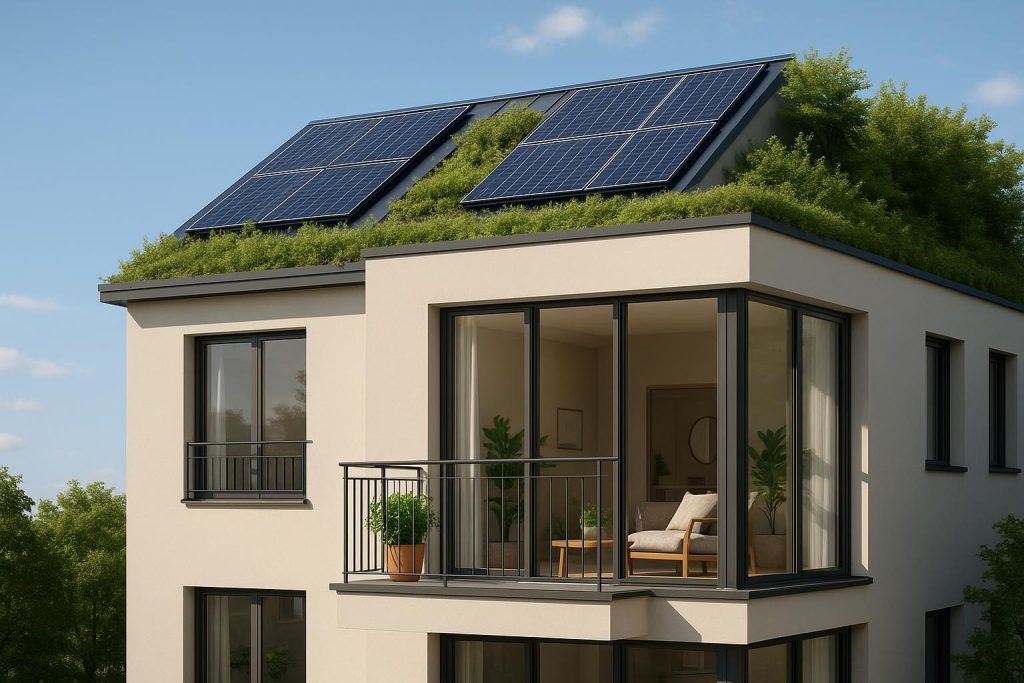
Sustainable Features That Enhance Condo Energy Efficiency
Energy efficiency in condominiums is more than just a trend—it is an essential strategy for saving on utility costs, improving indoor comfort, and reducing environmental impact. By adopting thoughtful, eco-friendly building methods, condo residents and developers can enjoy tangible benefits. This approach goes beyond simply placing a few solar panels on a roof. It is about integrating materials, technologies, and design strategies to create living spaces that are both resilient and functional.
In many modern cities, forward-thinking developers have realized that building sustainably is not just the “right thing to do.” It is also a sound investment that appeals to those who want to minimize their carbon footprint without sacrificing comfort. Below, we explore how various sustainable features—like advanced insulation, high-tech windows, efficient HVAC systems, and smart water conservation—can transform condo living into a healthier, more cost-effective, and eco-conscious experience.
Why Condos Benefit From Sustainable Design
Sustainable design in residential buildings aims to conserve resources, reduce emissions, and maintain healthy indoor environments. In condo developments, this philosophy also includes optimizing shared spaces and protecting neighboring communities from pollution or excessive energy usage. It means developers put real thought into material choices, energy systems, and even landscaping so that condos blend seamlessly into the environment. When those involved in building and managing these developments invest in green strategies, they establish living spaces that provide:
- Reduced utility costs: Lower monthly bills benefit both residents and condo associations.
- Comfortable living: Better ventilation, stable temperatures, and healthier indoor air are noticeable everyday improvements.
- Positive community relationships: Eco-sensitive properties often integrate green spaces, promote walkability, and encourage social connections.
All these factors align with a broader commitment to responsible development. Energy-efficient condo buildings contribute to local climate initiatives, reduce strain on utility grids, and serve as examples of how to craft residential spaces that stand the test of time.
Importance of Proper Insulation
When it comes to energy consumption, insulation provides a key line of defense. During the colder months, effective insulation traps heat inside, minimizing the energy needed to maintain comfort. In hot weather, insulation helps block excessive outdoor heat, so cooling systems work less. This thermal barrier, often composed of cellulose, fiberglass, or specialized spray foams, forms the envelope that separates interior living areas from the outside world.
The goal of insulation is to maintain steady conditions regardless of what is happening outdoors. By preventing drafts and temperature swings, condos waste less energy on climate control. Insulation also adds a layer of soundproofing, which is especially beneficial in bustling urban areas. When combined with sealed ductwork and high-performance windows, insulation lays the groundwork for comfortable and efficient homes.
In places striving for greener building practices—like Vancouver, which actively pursues reduced emissions and lower energy consumption—developers recognize that insulation is one of the most effective ways to meet these goals. If you are interested in how this city has embraced eco-conscious building standards, consider reading How does Vancouver real estate embrace energy-efficient construction practices?.
High-Performance Windows and Reduced Heat Transfer
Windows can be a major source of heat loss or unwanted heat gain, which is why improving them offers a significant jump in energy efficiency. Advanced window technologies—like low-emissivity (low-E) coatings or triple glazing—dramatically reduce how much heat travels through the glass. In other words, they keep warmth inside during chilly seasons while blocking external warmth in summer. These windows also filter out specific wavelengths of light, so you let in beneficial daylight without overheating the interior.
A secondary advantage is better indoor air quality. Well-sealed, modern window frames reduce drafts, stop outdoor pollutants from slipping indoors, and lower noise pollution. By letting in natural light while maintaining a secure seal, these windows enhance condo living and keep utility bills in check. If you want to learn more details on boosting indoor air standards, explore What eco-friendly design elements do new apartments include to improve indoor air quality?. Advanced windows, combined with robust insulation, create a high-functioning building envelope that supports healthier living conditions.
Optimizing Heating, Ventilation, and Air Conditioning
Efficient HVAC systems form the backbone of a well-balanced indoor environment in condominiums. Traditional systems can waste energy through leaks, poor calibration, or outdated components. In contrast, modern HVAC solutions integrate:
- Programmable or smart thermostats: These devices let residents schedule temperature settings around their routines, ensuring energy is not wasted when the condo is unoccupied.
- Heat recovery or energy recovery ventilation: Such systems exchange heat or thermal energy between incoming fresh air and outgoing stale air, reducing the load on heating or cooling.
- Efficient ducts and fans: Properly sealed ducts distribute air evenly, preventing temperature discrepancies between rooms.
Beyond simple temperature management, a balanced HVAC setup helps maintain indoor air quality by circulating fresh air and filtering out irritants. Healthy air is tied closely to a condo’s livability. Healthy building strategies, like using low volatile organic compound (VOC) materials and ensuring proper ventilation, can further reduce allergens, odors, and airborne pollutants.
Smart Lighting and Natural Illumination
Lighting accounts for a significant portion of residential energy use, but solutions exist that not only save electricity but also improve overall ambiance. Light-emitting diode (LED) fixtures, for example, consume far fewer watts than traditional bulbs. They also generate less heat, which keeps interior temperatures more manageable. Meanwhile, motion sensors and timers can switch lights off automatically when no one is using a particular space, such as corridors, storage rooms, or parking areas.
Another smart approach is to maximize natural light. Well-placed windows, skylights, and open floor plans often reduce the need for artificial lighting during the day. This approach promotes a sense of spaciousness. By reducing reliance on electric lighting, residents save on monthly bills and enjoy more pleasant indoor environments. When developers integrate these elements at the design stage, everyone reaps the benefits of a brighter, more energy-conscious setting.
Conserving Water for Sustainability
Water conservation strategies matter alongside energy-saving measures. In many condos, consumption patterns can be high, so features like low-flow showerheads, dual-flush toilets, and water-efficient faucets make a meaningful difference. Such upgrades maintain comfort and functionality while using significantly less water. Another eco-friendly tactic is to harvest rainwater for landscape irrigation or rooftop gardens, minimizing reliance on city water supplies.
On-site water management systems, including cisterns or infiltration beds, help reduce stormwater runoff. This is especially valuable in urban environments where heavy rains can overwhelm drainage systems. By capturing water for future use, buildings not only help conserve tap water but also mitigate local flood risk. Amenities that prioritize green landscaping or shared gardens benefit from these water-saving systems. If you wonder how green building features can bolster surrounding neighborhoods, learn more at How do green building elements support neighbourhood revitalization efforts?.
Long-Term Financial Advantages
A common misconception is that sustainable building practices come with steep upfront costs. While certain eco-friendly materials or systems may cost more initially, the long-term financial gains tend to surpass these expenditures. Energy-efficient condos mean lower monthly bills, decreased maintenance, and often higher property values. The payoff can be especially striking when you consider the rising cost of utilities over time.
Additionally, some regions offer financial incentives or tax credits to promote sustainable development. These may come from local governments aiming to reduce emissions or from wider initiatives encouraging responsible building practices. For further insights, you may find this resource helpful: Are there any tax incentives for investment opportunities in sustainable buildings?. From a long-term perspective, energy-conscious condos often appreciate in value and can appeal to buyers or renters specifically seeking a responsibly built home. This combination of lower bills, market demand, and potential incentives underscores why investing in green features can be a strategic move. For a deeper look at the economic side of eco-friendly construction, check out Do green features offer long-term value to real estate developments?.
Healthy Indoor Environments
One primary goal of sustainable condo design is to maintain a healthy indoor environment. Newer systems that focus on air quality, low-VOC materials, and moisture control stimulate better respiratory health for residents. In many cases, moisture buildup can lead to mold and other issues that harm both personal health and building longevity. By managing humidity with balanced HVAC systems and proper sealing, condos become more comfortable and safer.
Similarly, advanced filtration technologies capture airborne particles, from common allergens to more harmful pollutants. Well-thought-out condo layouts also reduce shared walls with high-noise or high-odor areas, like underground parking or garbage zones. Designing around these elements ensures that residents enjoy peaceful, inviting spaces.
Community Engagement Through Sustainable Initiatives
Sustainability goes beyond the confines of individual units. Comprehensive condo development plans often encourage features like rooftop gardens, bicycle storage, or energy-efficient common areas. Many communities also plan for electric vehicle charging stations, acknowledging that future transport trends will shift toward electrification. These communal offerings benefit all residents, fostering a culture of mindful resource use.
When neighbors see tangible proof of these strategies—like lush greenery in shared courtyards or reduced monthly energy fees—they are more likely to embrace eco-conscious habits themselves. Some developments host workshops or informational sessions on composting, recycling, or sustainable living tips. Over time, these collective efforts ripple beyond condo walls to the surrounding neighborhood, reinforcing a broader sense of environmental responsibility.
Emerging Trends and Green Building Certifications
As technology evolves, new innovations surface in areas such as solar-ready rooftops, battery storage solutions, and even dynamic glass that adjusts tint based on sunlight levels. If you find these advancements exciting, you might check out What new sustainable design innovations are emerging in multi-family housing projects? to learn about breakthroughs shaping multi-unit residential spaces.
Certain certification programs, such as Leadership in Energy and Environmental Design (LEED), Passive House, or BOMA BEST, exist to confirm that buildings align with robust sustainability benchmarks. Projects that meet these benchmarks are often seen as high-value because they prove their efficiency and environmental stewardship. Curious about which ratings are most prominent today? Explore Which green building certifications are most common in modern developments? for a closer look.
Future-Focused Condo Living
Sustainable construction is built for future resiliency. Cities worldwide increasingly enact strict energy codes and guidelines to cut carbon emissions, and these policies often affect new developments. By incorporating efficient measures from the start, developers stay ahead of regulations while making condos that appeal to environmentally conscious buyers or renters. Future-proofing means that buildings remain cost-efficient as utility rates and climate conditions fluctuate.
Additionally, condominiums that reduce car dependency by positioning themselves near transit routes or by integrating mixed-use elements can further limit greenhouse gases. If you are curious about the benefits of combining residential and commercial spaces, read How do mixed-use developments benefit from integrating green spaces?. This focus on connectivity, shared amenities, and long-term functionality cements the sustainable condo as more than just a home—it becomes a dynamic part of urban progress.
Seeing Real Examples in Action
The practical implementation of these strategies can be found in many built projects. High-performance building envelopes, energy-efficient appliances, and thoughtful designs weave together to deliver cost savings and comfortable living. If you want to see how these principles come to life, feel free to Explore Our Projects. Condos that implement these sustainable features speak to the growing desire for responsible development and modern living.
From proper insulation to low-flow fixtures, each detail contributes to lower environmental impact and a noticeably better daily experience. These improvements can foster vibrant communities that care about resource stewardship. In the long run, sustainable condos hold their value, reduce monthly costs, and provide an overall healthier setting for the people who call them home.
Whether you are a buyer, a renter, or simply curious about the future of urban housing, embracing energy-efficient features in a condo has far-reaching benefits. Reduced operating costs, improved comfort, and alignment with eco-friendly aspirations create a strong foundation for modern living. By choosing developments designed around people and sustainability, you participate in shaping an urban environment that is mindful of resource limits, supportive of local communities, and built to last.
