

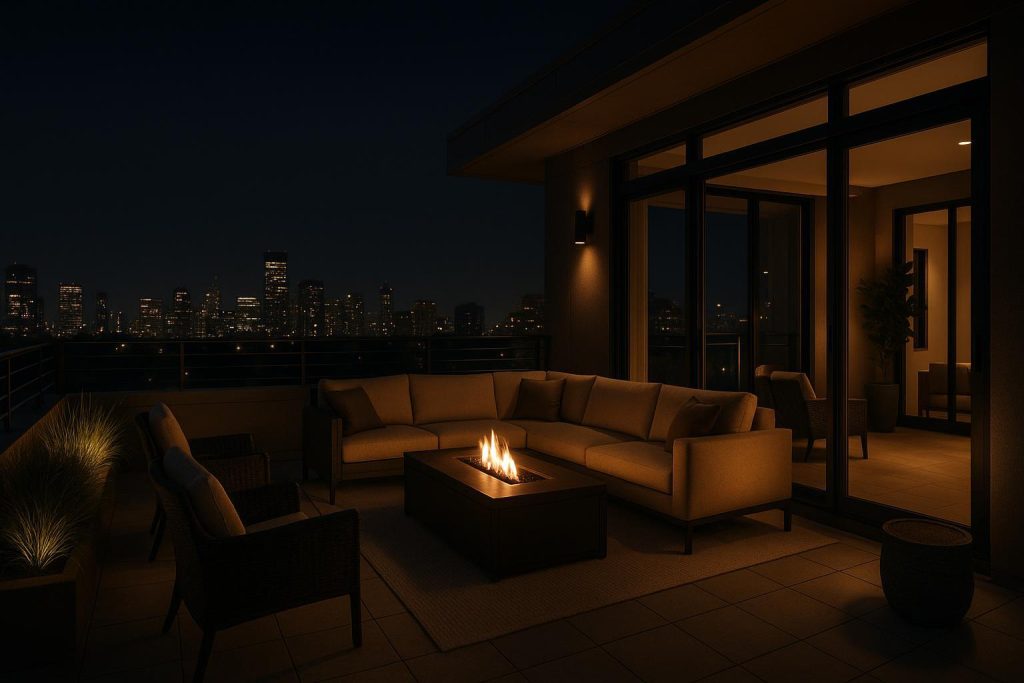
For many people, one of the major benefits of condominium living is the range of on-site amenities. These spaces—ranging from rooftop patios and common lounges to pools, fitness areas, and entertainment rooms—often serve as social hubs and personal retreats. However, when night falls, it’s quite common to encounter at least a few restrictions that regulate how late these shared amenities can be used. The goal is usually to strike a balance between late-night convenience and overall peace of mind for the community. In this detailed overview, we’ll explore the typical nighttime use policies for condo amenities. We’ll also look into why these guidelines exist, the security measures that often influence them, where to find relevant bylaw information, and how prospective condo buyers or renters can evaluate nighttime amenity access before moving in.
Why Nighttime Restrictions Exist
Generally, condominiums enact nighttime amenity restrictions for several key reasons:
- Noise Control: Building management or strata councils want to ensure that residents who turn in early can enjoy a restful evening. If an amenity—such as a movie room, lounge, or pool—were to remain accessible 24/7, there might be late-night gatherings that generate noise. Placing time limits on certain amenities helps limit disruptive sounds and protects quieter “sleep hours.”
- Safety and Security: Many condominium complexes have limited staffing overnight. Security or concierge teams may be reduced during those hours, which makes controlling access and ensuring resident safety trickier. Restricting access to specific amenities at night can be an additional layer of security.
- Building Maintenance: Some amenities require regular upkeep to stay functional. Pools, hot tubs, and spas in particular often need after-hours maintenance or cleaning. Overnight closures ensure staff or maintenance crews can perform cleaning tasks without inconveniencing residents.
- Energy Savings: Running certain facilities all night, such as bright lighting in a rooftop lounge or constant heating in a sauna, can inflateutility costs for the entire building. Restricted hours help the condo remain efficient and manageable.
Typical Closing Times
When we talk about “nighttime use restrictions,” we usually mean posted operating hours that tend to wrap up between 10:00 p.m. and midnight. For example, a movie screening room might allow usage until 11:00 p.m. to give residents a chance to enjoy a late film without disturbing neighbors in adjacent units.
Fitness facilities are a partial exception. Many condo gyms remain open a bit later—sometimes until midnight or even on a 24-hour schedule—because many people prefer working out after dinner or late into the evening to fit in busy lifestyles. However, even in these cases, noise considerations often apply. Treadmills or weight-lifting activities can create vibrations or noise if the space is not acoustically isolated. For related information, you might be interested in reading our FAQ on Can I use a treadmill in a condo? to learn about typical guidelines for in-suite or shared gym equipment.
Some condos also impose earlier closure times on pools or spa amenities. Often, pools close as early as 9:00 p.m. or 10:00 p.m. to allow for overnight cleaning, chemical balancing, and general safety protocols. Hot tubs and saunas may share a similar schedule or close only slightly later if they are in a separate area.
The Role of Security Measures
In addition to posted hours, many buildings rely on key-fob systems, pin codes, or conventional locks to restrict entry to amenities after a certain time. In some complexes, once operating hours end, the doors to those areas simply lock automatically. Additionally, staff or overnight security patrol may check that no unauthorized gatherings take place. These precautions help mitigate issues such as:
- Unruly parties in lounges or movie rooms
- Vandalism or property damage overnight
- Unauthorized entry by non-residents or guests without proper supervision
Many modern condos also feature surveillance cameras throughout key amenity areas and corridors to discourage misconduct. If you’re wanting to explore how security systems intersect with general condominium expectations, our article on what kind of security features are standard in modern condos provides helpful insights.
Reservations for Nighttime Events
Beyond routine hours, some buildings offer the possibility of reserving an amenity—such as a party room or lounge—for special events, even if it extends a bit later. This often involves an arrangement where residents formally book the space, abide by an agreed-upon noise policy, and sometimes pay a security deposit. If you’re curious about costs associated with these types of bookings, you can check out our FAQ: Are there any extra fees to reserve the condo party room? This ensures that while events may continue beyond typical closure times, they do so in a responsible, supervised manner.
Having a reservation system in place helps the condo board or strata keep track of who is using the space, and it provides a straightforward point of contact if noise issues or complaints arise. Often, the building’s regulations specify the maximum occupancy of a room after certain hours, limiting large gatherings that might disturb neighbors.
Differences in Larger vs. Smaller Buildings
Condominium amenity guidelines can vary greatly between smaller developments and larger full-service towers. In some boutique buildings with fewer units, there may not be as many restrictions on nighttime use, simply because there are fewer people sharing the spaces after dark. On the other hand, large towers with numerous residents can face increased noise or scheduling conflicts, leading to more structured rules. If you’re curious about the broader range of amenities in different-sized condos, our FAQ on whether condo amenities differ significantly between large and small buildings provides perspective on how building size can impact your nighttime access and overall amenity experience.
Community and Bylaw Considerations
Every condominium community (or strata, depending on your region) sets its rules according to local bylaws, as well as the preferences of its members. If a condo board notices that many residents appreciate extended hours at the gym, for instance, they might vote to keep that space open later than other amenities. On the flip side, if noise complaints about the lounge tend to peak in the late evening, the board might shorten nighttime operating hours to address those concerns.
In some cases, condo boards can even propose new or altered amenities over time. This could include creating a small study zone or a separate quiet lounge that’s accessible 24 hours, as opposed to strictly limiting all common spaces. If you’re interested in how amenities might evolve, see Can condo boards add new amenities over time? for further insights.
Quiet Hours in Residential Buildings
Many municipalities set local “quiet hours,” typically starting between 10:00 p.m. and 11:00 p.m., and continuing until 7:00 a.m. or 8:00 a.m. the following morning. Condo rules often align with these local regulations to ensure they meet any legal obligations. Quiet hours extend beyond amenity rooms and generally include hallways, balconies, and sometimes the entire building perimeter. This is why those searching for a peaceful atmosphere often favor condos that enforce these guidelines. In some buildings, quiet hours might already be integrated into the posted amenity schedule, effectively preventing residents from booking or occupying certain areas after that time.
What to Review Before You Buy or Rent
If the availability of nighttime amenities is crucial to your lifestyle—say you love late-night swims or enjoy being able to watch a film in a private theater room after midnight—be sure to dig into the building’s bylaws or strata guidelines. Most condo purchase or rental agreements should detail the standard amenity rules. Additionally, you can request copies of the building’s bylaws and any relevant amendments. It’s wise to confirm if these rules are universal or if the condo allows some flexibility. For more information on how to research condominium amenities during your property search, take a look at our FAQ on How can I find out which amenities are included before I buy?
Questions you might want to consider include:
- What are the posted hours for the gym, lounge, or pool?
- Is there a reservation option for late-night events in party rooms?
- Are there specific quiet hours mandated by the condo and by local ordinances?
- Does the condo have on-site security or a concierge desk at night? If you’re wondering what role a front desk might play, see our piece on whether a concierge desk is considered an essential condo amenity.
- Are the rules strictly enforced, and how does the building handle infractions?
Balancing Lifestyle Preferences
Night owls might prefer condo communities with greater flexibility, whereas early risers might appreciate stricter quiet hours. Asking about these details isn’t just a courtesy; it’s a crucial step to ensure your overall comfort in the building. Some people find it disappointing if they move in expecting to enjoy amenities at night, only to discover everything closes by 10:00 p.m. Conversely, those who want quiet surroundings may welcome more conservative rules and earlier closures.
Planning for Resale and Investment
A building’s amenity policies can also influence resale value and investment potential. If you’re purchasing a unit as an investment property, consider whether limited nighttime access could affect overall tenant satisfaction—or if more lenient rules could attract certain renters. Amenities that are well-maintained and well-managed can increase a condo’s appeal. For further insight, our FAQ on which amenities often increase a condo’s resale value discusses how certain amenities factor into long-term investment considerations.
Generally, well-defined and widely accepted restrictions can be a benefit. They keep the building running smoothly, reduce the number of disputes, and create predictable norms. In addition, a condo that fosters a quieter, more controlled evening environment may appeal to a broader range of buyers who appreciate well-managed communities.
Tips for Navigating Nighttime Restrictions
Once you move in, you’ll want to make the most of the shared amenities without unintentionally violating any house rules. Here are a few practical tips:
- Familiarize Yourself with the Bylaws: As soon as you have access to the official condo documents, quickly read up on amenity hours and quiet-hour policies. Make a note of any special reservation procedures you might need.
- Plan Your Activities: If you like hosting friends in the lounge, aim to wrap up before the designated closing time or reserve the space properly. Also be mindful about playing loud music or being on the rooftop deck late at night.
- Communicate with Neighbors: If you’re planning a special celebration, a simple heads-up note to immediate neighbors can go a long way. This courtesy may prevent misunderstandings and fosters a better sense of community.
- Use Alternative Spaces: If you absolutely need 24-hour workout access and your condo gym closes at 11:00 p.m., consider joining a local gym. For large gatherings that run late, you could also explore alternative event venues in your city.
- Stay Updated: Periodically check whether the condo association modifies any guidelines. If you have a voice in the association, you can propose changes that reflect the evolving needs of residents.
Exploring Your Options
While it might seem like nighttime amenity restrictions are a downside, they’re generally put in place to ensure a welcoming, safe, and restful living environment. When you’re searching for a new home—whether renting or buying—always keep a building’s approach to nighttime amenity access in mind, especially if you have very specific lifestyle requirements. Some developments offer robust evening flexibility, while others prioritize quiet hours to maintain a peaceful atmosphere.
At the end of the day, condos come in all shapes and sizes, and so do their policies. If you’re curious about what else you can often find in a typical condo community, take a look at our guide on what are the facilities in a condo? Access to amenities can differ by building design, age, and resident preferences; you can learn more in our FAQ focused on how building age and maintenance impact the quality of amenities. All these factors combine to shape the late-night experiences you might expect.
For those in search of communities with well-managed amenities and schedules that suit their evening lifestyles, take a look at our rentals. We offer purpose-built residences where quality, community guidelines, and convenience come together. If you need further clarification or tailored guidance, you’re always welcome to get in touch via our Contact page. By gathering the right information up front, you can find a condo that meets your nighttime needs—whether that means a late workout, a quiet lounge for evening reading, or a predictable environment free of after-hours disturbances.
