

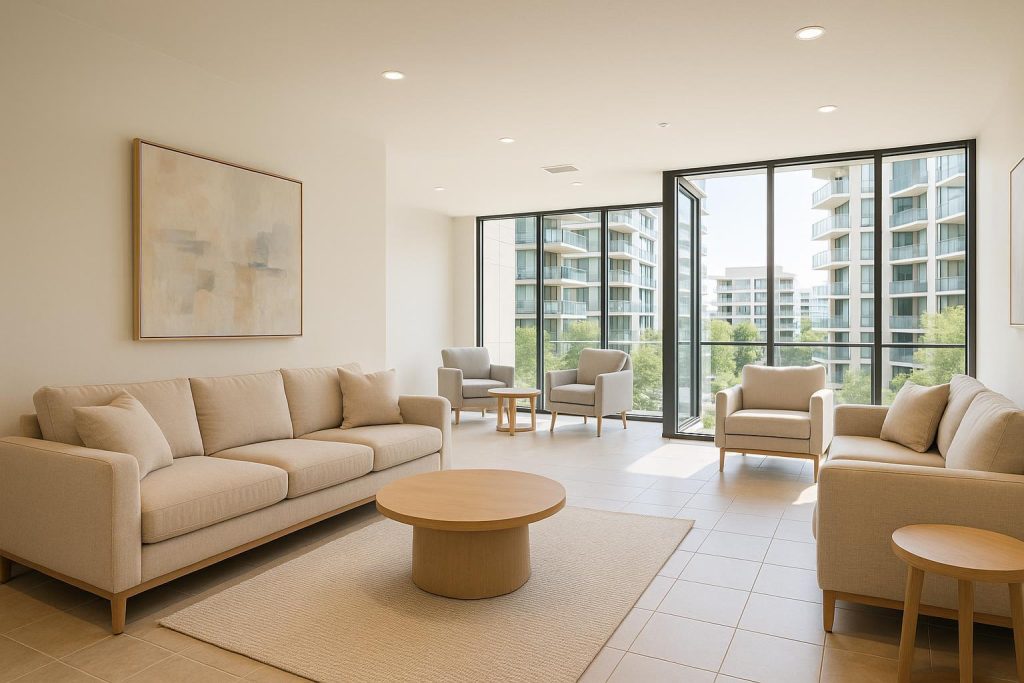
Exploring How Condo Amenities Vary Between Larger and Smaller Buildings
When considering a condominium, the amenities offered can be a major deciding factor for many prospective buyers or renters. From pools and gyms to party rooms, security features, and rooftop lounges, condo amenities shape the lifestyle you will experience once you move in. But how do these amenities differ between large condo developments and smaller boutique buildings? And what does this difference mean for cost, convenience, and community atmosphere? This guide dives deep into the specifics of larger versus smaller developments, raising key points to help you make informed decisions about your future home.
What Are Condo Amenities?
Condo amenities refer to shared facilities or common-use areas provided for residents’ enjoyment and convenience. Examples include fitness centers, swimming pools, coworking lounges, meeting rooms, rooftop terraces, barbecue areas, and more. These communal features can add significant value to a condo, enhancing your comfort and making everyday life more engaging. For those interested in a broader look at amenity options, you can visit our resources that address What are the facilities in a condo? to learn more about typical offerings in modern buildings.
How Building Size Influences Amenity Variety
One of the most significant ways building size impacts amenities is simply the amount of space that developers can dedicate to shared areas. Larger towers might spread amenities across multiple floors or even have entire levels devoted to leisure and recreation. You could find advanced fitness centers equipped with everything from treadmills to specialized training equipment. In some high-rise developments, there might be spa facilities, private cinema rooms, and even indoor sports courts. Typically, these extra indulgences are made possible because the building’s footprint and budget can accommodate more expansive communal areas.
On the other hand, smaller condo properties usually focus on the essentials: a modest gym or lounge, perhaps a shared rooftop deck or a small garden. While you might not find the same variety of extras, these cozier amenities can provide just as much utility if you’re not seeking a resort-style experience at home. Moreover, they allow you to enjoy that “small community vibe,” often translating to more frequent opportunities to connect with neighbors. If you are curious whether a treadmill is an option in your unit or within the condo gym itself, you may want to consult our article on Can I use a treadmill in a condo? to learn about typical guidelines and space considerations.
The Social and Community Aspect of Amenities
Beyond just having “stuff to use,” amenities also shape your experience of community. In a sizeable development, you might enjoy a vibrant social scene thanks to multiple recreation options that bring people together. Perhaps there’s a weekly gathering in the shared lounge or an organized fitness class in the gym, drawing a variety of residents. However, such bustling common areas can sometimes feel less personal, simply because you share them with a larger population of neighbors.
In a smaller condo building, residents often get to know each other more readily. The same faces appear in the fitness room or rooftop garden, and smaller-scale facilities promote closer interactions. This dynamic can be ideal if you prefer a tight-knit atmosphere. Bear in mind, if you’re planning events in common areas, it’s wise to be aware of the building’s specific policies. If you wonder about booking fees or additional costs, you may find helpful information in our discussion on Are there any extra fees to reserve the condo party room?. This will give you some insights on potential building rules, regardless of size.
Examining Costs: Monthly Fees and Maintenance
Monthly condo fees often factor into the cost of maintaining amenities, especially in larger buildings. Extensive facilities—such as pools, cinemas, or bike-repair stations—require regular cleaning, servicing, and repairs. These ongoing expenses are usually pooled from community contributions. Therefore, monthly strata or condo association fees can be higher in large developments that offer a wide array of amenities. On the flip side, having more residents can sometimes distribute these costs more evenly among a bigger group, potentially minimizing individual fees.
In smaller properties with fewer amenities, the overall cost to maintain shared facilities might be lower. However, these smaller buildings also have fewer residents sharing the expense, so the balance can vary considerably. Finding the right match for your budget and lifestyle means investigating both what’s on offer and how those amenities influence your monthly financial obligations. For people new to condo living, you might check out Do you pay monthly for a condo? for a comprehensive look at monthly fees and how they’re typically structured.
Space Allocation and Functionality
Space allocation is another area where building size comes into play. A large condo tower can afford more square footage for everything from reading nooks to elaborate lobbies and multi-use rooms. In some upscale communities, multiple amenity floors might let you enjoy activities like yoga classes, movie screenings, or coworking sessions. The downside might be that you need to navigate your way through a larger complex—even using multiple elevator banks—to reach these amenities. The abundance of choices can be a bonus if you like variety, but it can also be overwhelming for those who prefer a simpler setup.
For smaller developments, each square foot is usually at a premium. Developers may opt for fewer but well-designed communal spaces that fulfill residents’ most common needs. Instead of multiple leisure areas, they might place a joint lounge–kitchen area on the ground floor that doubles as a gathering spot for group events. A smaller—but adequate—fitness corner could take up one side of the building. This approach can be cost-effective without sacrificing quality or convenience, especially if you don’t require an extensive selection of recreational options.
Security Features and Peace of Mind
Security is often a key amenity that varies between large and small condo buildings. While many developments, regardless of size, will offer standard security elements like secure entrances, modern cameras, and a buzzer system, bigger complexes may have more advanced systems or even on-site staff. This can include concierge desks, dedicated security personnel, or controlled access for each amenity. If you’re curious about what’s generally considered standard in modern condos, refer to our resource covering What kind of security features are standard in modern condos? for a broader overview.
Smaller buildings often maintain a safe environment as well, but safety measures could be simpler or less comprehensive. In some cases, the absence of a 24/7 concierge may mean that residents themselves coordinate deliveries or monitor visitors more directly. For people who value personalized service or expect a high level of security technology, bigger developments might be more appealing. On the other hand, those comfortable with more independent day-to-day living could find that a smaller property meets their safety needs with simpler mechanisms in place.
Restrictions, Hours of Use, and Policies
Amenity policies can differ widely based on the building rules set by the condo association. Larger buildings—due to their higher population—often have stricter guidelines about when certain facilities can be used. This might include designated hours for the fitness center, swimming pool, or lounge in order to keep noise levels in check. If you’re wondering about nighttime restrictions on facilities, or how community policies can shape your experience, you might find useful insights by exploring Are there typically restrictions on using condo amenities at night?.
Conversely, smaller communities might permit more flexible access, simply because there are fewer residents to manage. You might have more freedom to enjoy shared spaces at unusual hours if the rules are less formal, but always check the specific guidelines set by your building. Additionally, you’ll want to confirm if your condo board can evolve or upgrade these amenities over time, especially in smaller buildings. If you’re curious about how a condo board might add new amenities in the future, consider reading Can condo boards add new amenities over time?.
The Role of Building Age and Upkeep
Building age affects the condition and scope of existing amenities, whether the condo tower is large or small. Older properties might have outmoded gyms or pools that need regular upgrades or repairs, which can drive up maintenance fees. In contrast, newly constructed buildings typically feature cutting-edge designs with modern energy-efficient systems and state-of-the-art facilities. These can enhance the appeal of both large and small buildings, so long as they follow a comprehensive maintenance plan. For more details on how building age and upkeep factor in, take a look at our discussion on How do building age and maintenance impact the quality of amenities?. You’ll gain insights into balancing charm, budget, and functionality when selecting a condo.
Resale Value and Amenity Influence
Whether you’re purchasing a condo to live in or as an investment, resale value is an important consideration. Amenities, especially those carefully maintained and thoughtfully designed, often boost a condo’s market appeal. Larger buildings might feature a wide array of luxurious perks, potentially widening your pool of future buyers or renters who seek that upscale condo lifestyle. At the same time, smaller properties—particularly those in favorable neighborhoods—might draw buyers who value tranquility, lower fees, and less crowded shared spaces. If you’re leveling up your understanding of how amenities can impact property value, see Which amenities often increase a condo’s resale value? for more details.
Choosing the Right Condo for Your Lifestyle
Ultimately, deciding between a large or small condo development boils down to your personal preferences and priorities. Ask yourself whether you’re comfortable with a bustling setting brimming with activity, or if you crave a more intimate experience. Do you need multiple social or recreational facilities, or do you prefer simpler spaces you’ll realistically use? If you typically socialize with friends or family and plan to reserve shared spaces for events, check whether the building’s policies align with your needs. If you’re the type who values a well-equipped gym within steps of your unit, confirm it’s adequately sized and open during hours that fit your lifestyle.
How to Verify Amenity Details Before You Buy or Rent
Before finalizing a condo purchase or signing a lease, gather as much information as possible about the amenities. Tour the building, observe the condition and functionality of shared spaces, and ask other residents about their experiences. The condo’s management or realtor should be able to provide you details about operating hours, potential fees, and anticipated upgrades. To gain additional guidance, visit How can I find out which amenities are included before I buy?, which offers a step-by-step approach to clarifying your amenity-related questions.
Real-World Examples of Varied Amenities
Seeing real-world examples of how amenities look and function is a proactive way to envision your own living scenario. While images on property listings can give you a snapshot, it’s helpful to explore buildings in person. If you’re interested in exploring diverse property types and seeing how different amenities are integrated to fit varying lifestyles, take a look at our Projects. Browsing these can offer insights into how larger versus smaller developments handle communal facilities, security, and design. You might find a high-rise with a dedicated coworking lounge, or a more modest building with a communal space that fosters a tight-knit sense of community.
Future Amenity Upgrades and Board Involvement
Amenity management doesn’t end once the building is constructed. Over time, condo associations may decide to upgrade or renovate communal spaces. In a large complex, the decision-making process typically involves more stakeholders and might require detailed budgeting. This can lead to more elaborate projects, like adding a children’s play area or renovating an entire pool deck. Smaller buildings might have a simpler process but may need special assessments or additional fees to fund improvements. Checking your building’s policy on amenity upgrades can help you plan for future changes, whether you prefer the possibility of expansive enhancements or the comfort of fewer large-scale projects.
Aligning Amenities with Personal Goals
When it comes to condo living, the concept of “purpose-built” design resonates strongly with many individuals. Smaller developments can deliver a calm, private experience, while larger complexes may cater to those seeking an all-in-one environment. If you’re someone who thrives on exercise classes, social gatherings, or specialized services like package rooms, a larger building may be a better fit. If you value quiet hallways and selective scheduling around shared spaces, a smaller development could feel more like home. Keeping in mind your long-term needs—whether you plan to stay in the condo for five years or turn it into an investment rental—can guide your decision.
Final Thoughts
There’s no one-size-fits-all answer to whether amenities in large condo buildings are automatically “better” than those in smaller ones. Both types offer unique benefits, from the wide range of options found in a large tower to the intimate and relaxed vibe of a smaller property. Your choice will depend on your lifestyle preferences, budget, and long-term plans. Gather all the facts, compare different building sizes, and reflect on how you like to spend your time. Remember to read the fine print on condo rules, monthly fees, and potential upgrade costs. If you want a more in-depth look at typical amenities and how they compare over time, or if you’re curious about the broader lifestyle considerations of condo living, feel free to explore our other resources. Above all, your goal should be finding a place you can truly call home, with amenities that align with your everyday life and future aspirations.
