

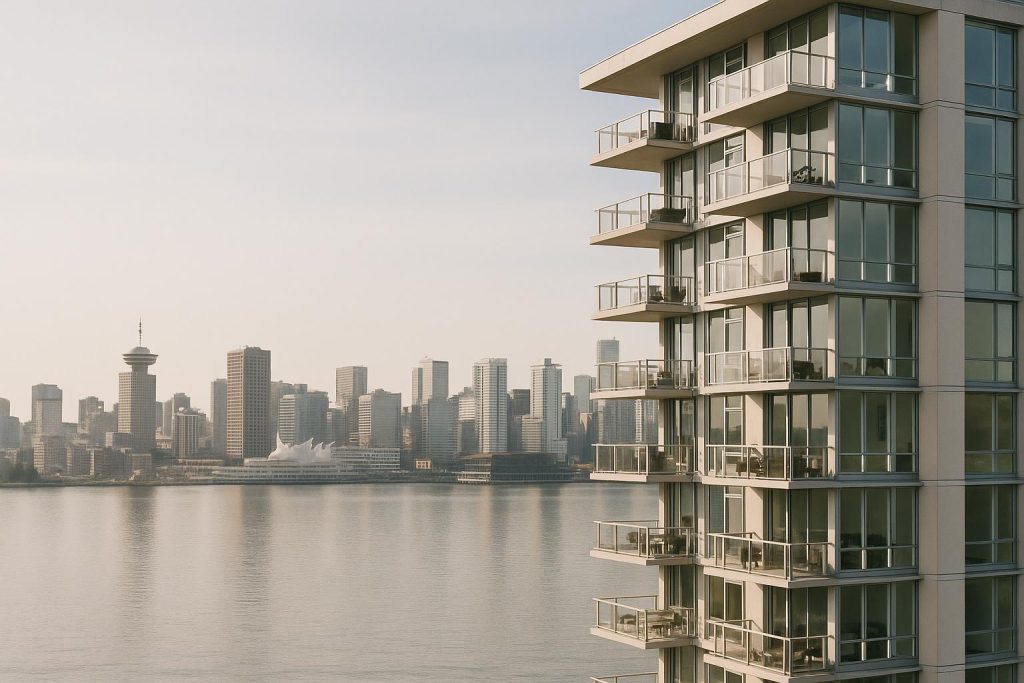
Understanding the Vancouver Rental Market
Vancouver’s rental market is often characterized by high demand, limited supply, and evolving housing policies. Whether you’re a long-term resident or planning to move here for work or personal reasons, it’s natural to wonder if the region’s rental prices are dropping. While certain factors in the market can influence costs up or down, Vancouver’s overall rental pricing tends to remain on the higher side due to strong demand, ongoing population growth, and constrained land availability. Below, we’ll explore the many nuances behind rental rates, discuss recent trends, and outline what renters and prospective tenants might consider when navigating this dynamic market.
1. A Snapshot of Current Trends
Historically, Vancouver has been considered one of Canada’s most expensive cities for renters. Over the years, average rental prices rose steadily as more people moved into the region for its vibrant economic opportunities, scenic environment, and overall quality of life. However, real estate markets and rental rates are inevitably cyclical, reacting to interest rates, development cycles, migration, and governmental regulations.
Over the last few years, many prospective tenants and current renters have paid closer attention when speculation emerged about prices potentially declining. Such discussions tend to focus on short-term fluctuations that arise from external economic factors, shifts in local employment trends, or a wave of new rental units coming online. In some pockets of Metro Vancouver, there have been modest corrections in asking prices or promotional incentives offered by landlords. However, these adjustments might not constitute a lasting or significant drop on a citywide level.
2. Factors That Influence Vancouver Rental Prices
Rental rates don’t move in isolation. They respond to a complex web of considerations. Here are some of the main factors shaping whether Vancouver rental prices might level off or inch downward:
- Supply and Demand: Given that Vancouver’s population grows steadily, any scarcity of purpose-built rentals or new developments can keep prices elevated. When fresh housing projects come on the market, competition among landlords can briefly ease pressure on renters. However, if population growth outpaces new construction, rents tend to remain high.
- Government Policies and Regulations: Policies such as rent controls or tax measures aiming to curb speculation can slow rapid rent increases. Meanwhile, municipal developments that streamline the creation of rental inventory can help stabilize or potentially lower prices.
- Local Economy: As a hub for various industries (including tech, hospitality, and film), Vancouver draws a significant workforce. If economic conditions remain strong, demand for quality rentals also remains high, which can prevent any noticeable declines in pricing.
- Type of Rental Housing: Condos available for rent and purpose-built rental towers can sometimes see different price fluctuations. Purpose-built rentals typically offer more stability, especially when managed by professional teams that prioritize long-term tenant experiences. This stability can act as a buffer against dramatic price drops.
3. Historical Context of Vancouver’s Rental Market
It helps to look back at Vancouver’s real estate trajectory to understand if a meaningful downward shift in rent is plausible. Over the last two decades, Vancouver’s property market exploded, leading to significant increases in both home purchase and rental costs. Periodic corrections have occurred, but they commonly remain modest. When comparing a small dip in rent from one year to another, often it’s a short-lived response to external shocks. In the long run, Vancouver’s overall upward trend reasserts itself.
Additionally, because there is strong global interest in Vancouver living—from families, retirees, and international students alike—most new housing supply is quickly absorbed, even if rental prices are high. Thus, any short-term drops can be counterbalanced by sustained local and global interest in the region.
4. Purpose-Built Rentals and Their Role in Stabilizing the Market
One element garnering more attention is the rise of purpose-built rental buildings, which differ from other types of rentals (such as private condos or secondary suites). Purpose-built rentals are specifically designed as long-term housing. Over time, these developments can help moderate rent inflation, as they give tenants stable options without the uncertainty that can accompany privately rented condos. Where purpose-built rentals are situated in well-connected neighborhoods, they often become go-to choices for those seeking a permanent or semi-permanent home in Vancouver.
If you’re looking for examples of projects focused on the long-term rental experience, consider browsing local developments that place emphasis on quality construction and design for year-round residents. Purpose-built rentals are often recognized for providing consistent tenant support, reputable management, and well-thought-out amenities. That said, be mindful that living in Vancouver often commands a premium. Even newly built apartments can come at a slightly higher cost, though tenants frequently find that modern fixtures and well-maintained spaces offset some of that price difference.
5. Are Prices Dropping in Specific Neighborhoods?
Vancouver’s neighborhoods are diverse. While some areas (particularly in the downtown core and surrounding prime locations) uphold the city’s price reputation, other communities further east or in certain pockets of Metro Vancouver can momentarily offer slightly more competitive rates. Changes in average rent often align with:
- Availability: When a new development project completes a major phase, it can briefly introduce an influx of units, turning local competition into modest rent reductions or promotional lease incentives.
- Transportation Access: Neighborhoods directly connected via rapid transit lines often command higher prices. However, if a location is in transition—awaiting a new skytrain station or infrastructure improvements—it might see some short-term softness in rental rates until everything is completed.
- Local Amenities: Areas with well-regarded shopping districts, community centers, or scenic surroundings rarely see significant rent drops due to ongoing local demand.
- Renovation Activity: Older apartments that undergo substantial remodels sometimes offer promotional pricing at the start to fill units, though this doesn’t necessarily signal a long-term citywide downturn.
6. Exploring Nearby Regions
For some renters, exploring municipalities just outside Vancouver can make sense if they’re looking for better value. Areas such as Burnaby, New Westminster, or parts of the North Shore occasionally exhibit more moderate rent levels. That said, these regions increasingly reflect Vancouver’s pricing trends due to population spillover, growth in transit-oriented developments, and expanding job hubs. In places with significant new purpose-built rental communities, prospective tenants might discover slightly more transparent or stable pricing structures.
If you’re interested in seeing examples of rental options in the broader Metro Vancouver area, it can be helpful to browse curated listings of available homes. You might find contemporary, community-minded projects that illustrate purpose-driven design and well-thought-out living spaces. View Available Rentals is often a helpful starting point for anyone hoping to conduct a thorough search.
7. Timing Your Search
Some prospective renters wonder if they should wait for a rental price drop before signing a new lease. Predicting the perfect window can be challenging, as the market’s shifts are influenced by many external elements, including the introduction of fresh housing, local employment growth, and broader economic headwinds. Here are a few suggestions if you’re trying to watch for value opportunities:
- Keep an Eye on Seasonal Trends: Vancouver’s rental market often sees high demand during spring and late summer, when students, new hires, and relocators typically seek housing. Lower activity levels in winter might create more negotiating room.
- Look Out for Promotions: Some new developments or landlords might provide incentives, like reduced security deposits or a free month’s rent, especially during less busy renting seasons. Watch for any such offers if you’re flexible with your move-in date.
- Compare Different Neighborhoods: By broadening your search to multiple areas, you might spot new listings that either introduce more competitive rates or offer deeper value despite slightly higher monthly rent (e.g., better amenities or superior transit access).
8. The Broader Housing Context
Debates about whether Vancouver rental prices are dropping also relate to Canada’s overall housing environment. Vancouver consistently ranks among the nation’s top investment areas, which keeps real estate valuable. Meanwhile, increased immigration targets and an attractive urban lifestyle mean that demand rarely subsides. If you’re looking for stable, well-managed housing in Greater Vancouver, it pays to remain informed, speak directly with prospective landlords or property managers, and check for new purpose-built communities that could offer a better combination of price and quality.
Moreover, city policies often play a key role in shaping future supply. Vancouver aims to expand rental affordability by supporting more multi-unit dwellings, encouraging purpose-built projects, and exploring zoning changes. While these steps can lead to a gradual increase in rental inventory, shifts in price might only become noticeable once a substantial amount of new housing is introduced to the market.
9. Key Takeaways for Renters
In a region where rent has historically been on an upward trajectory, it’s understandable to question if a market correction could be on the horizon. The reality is that Vancouver’s rental rates are inherently tied to the city’s economic resilience and desirability. Significant, long-term decreases in rent remain rare, but you may notice short-lived plateaus or small dips depending on broader economic cycles, new housing development, and property-specific promotions. Here are a few thoughts to keep in mind:
- Stay Proactive: Monitor the market regularly. Tools such as local rental listings and property tours help you gauge changing availability and rental offers.
- Review Your Priorities: If living centrally is a must-have, realize those neighborhoods can command higher rates. But if you’re willing to commute, you might find a newer rental home with more competitive pricing in surrounding areas.
- Focus on Long-Term Value: Even if rents aren’t dramatically dropping, choosing a reputable landlord or property management team can secure a stable living situation, reduce turnover stress, and potentially lock in a favorable rate for multiple renewal cycles.
10. Looking Ahead
Expert opinions vary on just how housing supply expansions, economic developments, and demographic shifts will shape rent in Vancouver. Nonetheless, renters should remember that any single data point or headline about a drop in prices typically needs broader context to confirm a lasting downward trend rather than a short-term fluctuation. Vancouver remains a desirable place to live, and that widespread appeal usually sustains rental prices at a relatively strong level.
Still, as purpose-built rental communities become a larger slice of the market, many industry observers hope to see more stability and, in some cases, modest downward pressure on rents—especially in localized areas where an influx of newly completed units expands the housing stock. Combined with well-thought-out city planning and community-driven development initiatives, there is optimism that Vancouver’s housing environment can strike a healthier balance for both renters and property owners in the coming years.
Conclusion
Realistically, a sustained plunge in Vancouver’s rental prices is unlikely given the city’s continued popularity and limited land base. Yet, prospective tenants might uncover certain concessions or pockets of relative affordability based on location, building type, or seasonal availability. Conducting thorough research, staying tuned to changes in regional rental inventories, and keeping an eye on upgrades to public transit are all ways to make the most informed decisions in this dynamic market. By understanding the range of factors that influence prices—everything from zoning policies to local economic strength—you’ll have a clearer sense of whether Vancouver rental prices are truly dropping or merely adjusting to temporary market conditions.
Ultimately, while Vancouver may not be the cheapest rental market, it offers unmatched cultural amenities, natural beauty, and employment opportunities that sustain an enduring demand. The result is a housing environment that attracts purposeful development, particularly in the realm of rental living. For individuals contemplating whether now is the right time to sign a lease, the best strategy is to evaluate your personal preferences, explore neighborhoods that fit your budget, and seek rental options that provide comfort and stability for the long run.
