

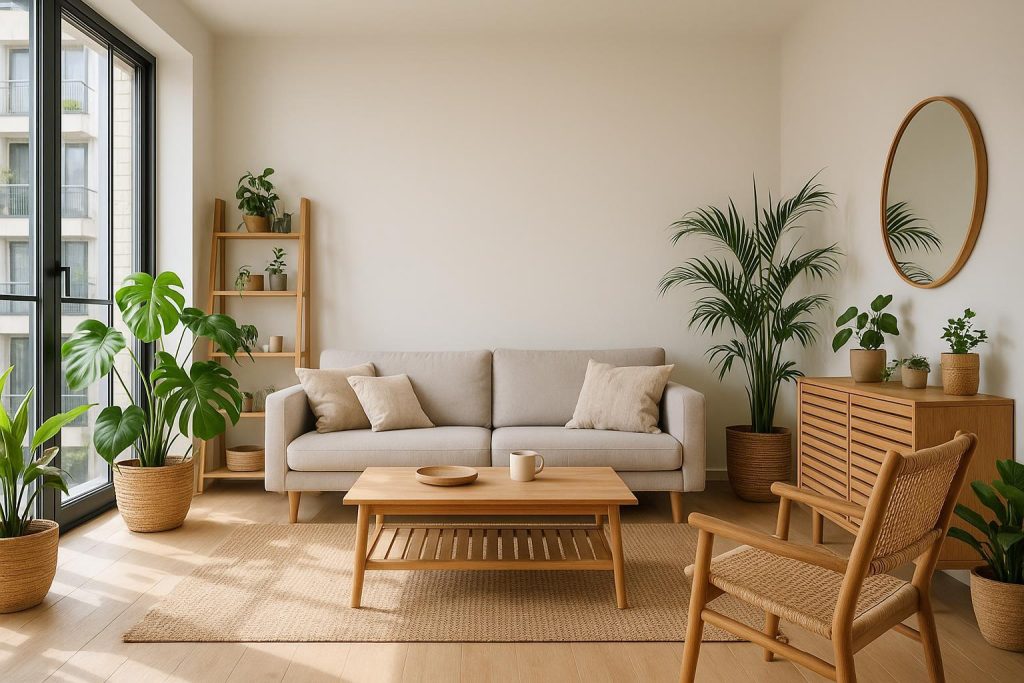
Expanding the Concept of Sustainable Living Upgrades
Sustainable living upgrades encompass a wide range of enhancements designed to lower a property’s ecological impact while improving the wellbeing of the people who live there. These upgrades revolve around key principles such as energy efficiency, water conservation, responsible material sourcing, and community-centered design. Whether you are a homeowner, renter, or developer, adopting environmentally responsible practices can help create healthier indoor environments, lighter ecological footprints, and more cohesive neighborhoods.
In recent years, there has been a growing belief that constructing buildings responsibly is not only good for the planet, but also adds real value for residents and property owners. Professionals in the residential construction industry have found that buildings made with a focus on sustainable living can offer improved indoor air quality, lower utility bills, and a sense of long-term investment. This comprehensive guide delves into what sustainable living upgrades look like in practice, how they affect everyday life, and why they might represent one of the most beneficial moves for future-proofing real estate.
Core Elements of Sustainable Living
Understanding the terms and concepts behind sustainable living upgrades can help you make informed decisions, whether you are renovating a single-family home, improving a condo, or developing a multi-unit complex.
- Energy Efficiency: The use of well-insulated walls, double or triple-pane windows, and high-efficiency heat pumps or HVAC systems can drastically lower a building’s energy consumption. Efficient lighting—most commonly via LED bulbs—helps reduce electricity usage. Solar panels, when installed properly, generate clean energy that supports the building’s power needs.
- Water Conservation: Low-flow toilets, showerheads, and faucets can all reduce daily water usage. Modern systems often incorporate smart sensors and features that help minimize water waste. Rainwater catchment systems, where permissible, can further lessen reliance on municipal water sources by repurposing rainwater for landscaping or other non-potable needs.
- Responsible Material Sourcing: Selecting low-VOC (volatile organic compound) paints and using recycled or locally sourced lumber can lower harmful emissions. These types of materials also help reduce the carbon footprint of a building’s overall construction. Quality, responsibly produced construction matters for anyone who desires a lasting, healthy place to call home.
- Smart Design and Natural Light: Buildings can be oriented to maximize daylight, reducing the need for artificial lighting. Large windows, skylights, and open floor plans let in ample sunlight and improve ventilation. Such thoughtful design tends to merge function with comfort, creating an environment that is both welcoming and energy-efficient.
Why Sustainable Living Upgrades Matter
For many people, decisions around sustainable living might begin with an interest in reducing monthly expenses or having a healthier indoor environment. But these changes also influence the broader community, aligning with the concept of responsible development. When developers invest in energy-efficient systems, water-conscious design, and eco-friendly materials, they are making a commitment to a form of construction that invests in the well-being of future residents. Such improvements promote:
- Better Air Quality: Less off-gassing from low-VOC materials and improved building ventilation can positively affect the respiratory health of residents.
- Reduced Energy and Water Bills: While initial costs for sustainable systems may be higher, the subsequent utility savings often offset these expenses over time.
- Enhanced Sense of Community: Developments that feature green spaces or foster walkable amenities encourage residents to connect with each other and the surrounding neighborhood.
At its heart, sustainability is not just about the environment but about building spaces in a way that benefits everyone involved—developers, homeowners, renters, and the planet. This mindset goes beyond cosmetic improvements and embraces a holistic approach to constructing lasting, livable buildings.
Examples of Sustainable Living in Development
Many new developments worldwide exemplify sustainable living by integrating solar panels, green roofs, and efficient water fixtures. High-profile projects often provide ample daylight, advanced insulation, LED lighting, and community gardens. Features such as electric vehicle charging stations or dedicated bike parking highlight a commitment to environmentally friendly transportation. Furthermore, some developments employ renewable materials—like bamboo flooring—or champion the use of reclaimed wood for finishing and accents, showcasing the beauty and practicality of upcycled resources.
Even if you are not a property developer, you can seek out or support these eco-friendly elements in your living situation. Renters can check if a property has passed certain green building standards or simply inquire about the presence of energy-saving fixtures. If you are interested in relatively small-scale interventions, you might explore window insulation films, indoor plant arrangements to improve air quality, or adding draft stoppers to minimize heat loss. In many cases, these smaller upgrades represent immediate, budget-conscious ways to cultivate an eco-friendly lifestyle. For more tips, you might be interested in reading our related resource: How to make your apartment more eco-friendly?
Sustainability in Dense Urban Areas
In bustling cities, living sustainably can seem daunting. Yet, many urban neighborhoods are well positioned to advance sustainable living because they boast strong public transit networks, walkable amenities, and multi-use developments. These factors reduce the need for personal vehicles, leading to fewer emissions, less congestion, and cleaner air.
Density, when well designed, can be a driving force for sustainability by allowing for shared green spaces, ensuring resources are used efficiently, and letting residents achieve more in less space. Mixed-use properties, which combine commercial and residential functions, further simplify daily life by placing shopping and dining options a short walk away. To learn more about the advantages of such projects, our article on what is one advantage of a mixed-use property? delves deeper into the benefits for both occupants and communities.
Forward-thinking urban design often involves creating pedestrian-friendly streets that are safe and enjoyable on foot. In this setting, people are more inclined to cycle or walk than drive. As more cities incorporate bike lanes and traffic-calmed pathways, sustainable living becomes easier and more appealing for everyone.
Long-Term Value for Homeowners, Renters, and the Community
One of the significant advantages of integrating sustainable living features is the potential for long-term value creation. From the homeowner’s perspective, energy-efficient and environmentally conscious upgrades typically increase a property’s desirability and resale worth. Even landlords can benefit from the appeal of environmentally responsible units, as eco-savvy tenants may prefer them because of lower utility bills and an overall healthier living experience.
Moreover, entire neighborhoods can flourish when multiple properties take an interest in green practices. Not only do trees, green roofs, and community gardens help contribute to a visually appealing setting, but they also tend to reduce the urban heat island effect. In turn, these enhancements foster a sense of neighborhood identity and collaboration. Everyone living there benefits, from improved air quality to well-organized communal recreational spaces.
Checking for Quality Standards and Certifications
When surveying a home or apartment, consider evaluating certifications or rating systems that confirm sustainability claims. Labels such as LEED (Leadership in Energy and Environmental Design) often indicate environmentally sound building practices—from construction methods to energy efficiency. Although not every project will attain formal certifications, looking for recognizable standards can help you compare options or gauge the credibility of an advertised eco-friendly building.
Quality inspections and attention to details—like ensuring that insulation is done correctly or that high-efficiency heating and cooling systems are properly installed—are vital. Poor installation practices can result in reduced performance or even negate the benefits of premium materials. Whether you are an owner, investor, or renter, always ask for proper documentation and, if plausible, consult a qualified inspector. These measures ensure you are getting the real advantages of the upgrades, rather than simply paying for a green label.
Sustainable Living in Rental Properties
Renters may wonder if they can influence the sustainability of the space they occupy. Fortunately, many improvements are possible even in a rented unit. Simple steps like installing blackout curtains (to reduce energy use for heating or cooling), switching from incandescent bulbs to LED options, or placing draft blockers along windows and doorways can go a long way toward making an apartment more eco-friendly. Additionally, confirming that any new property you lease already has efficient water fixtures and responsibly sourced materials is recommended.
Developers increasingly recognize the advantages of constructing rental buildings specifically designed to put sustainability first. These purpose-built rentals can include advanced HVAC systems, green communal areas, and energy-efficient appliances, offering an appealing mix of practicality and comfort to prospective tenants. By prioritizing environmental responsibility from the offset, rental developments can keep monthly overhead costs low, encourage resident well-being, and build stronger connections within the neighborhood.
Green Roofs and Vertical Gardens
One practical and visually striking example of a sustainable living upgrade is the green roof or vertical garden. These features capitalize on underutilized spaces—like rooftops or blank walls—to grow vegetation that helps reduce temperature fluctuations, filter air particles, and introduce green areas in otherwise concrete environments. Green roofs often help control heat absorption during summer months, thereby lowering cooling costs. They also create habitats for beneficial insects and birds, adding a welcome touch of nature to urban settings.
Vertical gardens, or living walls, similarly enrich indoor and outdoor environments. While you might see them primarily in commercial or public spaces, smaller vertical gardens are increasingly present in residential projects, helping to manage indoor temperatures, purify the air, and boost visual appeal. These gardens can be especially relevant in high-density areas, where ground-level greenery is limited.
Tips for Starting Your Sustainable Living Upgrade Journey
If you are looking to improve your existing home or start a new project with sustainability in mind, the possibilities can be both exciting and overwhelming. Here are some tips to get you started:
- Set Clear Goals: Determine why you want to implement sustainable living upgrades. Is it to save on utilities, lessen your environmental impact, or improve indoor air quality? Identifying your motivation helps direct your focus.
- Consult Professionals: Architects, contractors, and developers specializing in green building can guide you through local regulations, material choices, and financing options. This is especially crucial if you aim to integrate advanced systems like solar power or geothermal heating.
- Start Small: Even modest changes—like upgrading to LED lighting or adding better insulation—can deliver recognizable benefits before you invest in larger-scale projects.
- Focus on Quality: Select certified or well-reviewed materials and systems to ensure your upgrades are both effective and durable.
While there is no single path toward sustainability, integrating thoughtful design and responsible building practices can make a world of difference. By targeting what matters most—energy use, water efficiency, and a healthy living environment—you can make consistent progress towards a greener lifestyle.
Exploring Projects and Rentals as Real-World Examples
If you want to see how sustainable features come together in actual residential settings, feel free to look at real-life developments that prioritize eco-conscious design and comfort. Some of these communities focus on green roofs, improved insulation, and advanced HVAC systems. By exploring different projects, you can evaluate how well these innovations align with your vision of a healthy, cost-effective home. You may also want to Explore Our Projects to see how energy-efficient materials and thoughtful planning work together to create more resilient living spaces.
Likewise, browsing available Rentals can offer insight into how environmental considerations enhance everyday life. Buildings that incorporate solar power or advanced water-saving fixtures demonstrate a powerful commitment to innovation and environmental stewardship, in addition to appealing layouts.
Sustainable Living as an Ongoing Commitment
Sustainable living is not a one-time push; it requires ongoing care, maintenance, and updates. By fostering a mindset of continuous improvement, property owners and occupants can adapt to new technologies, incorporate emerging green standards, and contribute positively to the environment. In the end, a well-executed sustainable strategy benefits your own well-being and creates a ripple effect beyond the walls of your home.
To learn more about making your living space eco-friendly, feel free to read our detailed guide on how to make your apartment more eco-friendly. If you are looking to find the perfect place that aligns with your green values, consider exploring other helpful answers in our FAQ section. By staying informed and proactive, you can contribute to a brighter, healthier future while enjoying the comfort of a modern living environment.
Ultimately, sustainable living upgrades stand as a testament to our collective effort to reduce environmental impact, enhance everyday comfort, and build more resilient communities. Whether you choose to add energy-efficient fixtures, integrate green roofs, or simply support developers committed to eco-friendly design, each step helps shape a healthier and more inclusive world for generations to come.
