

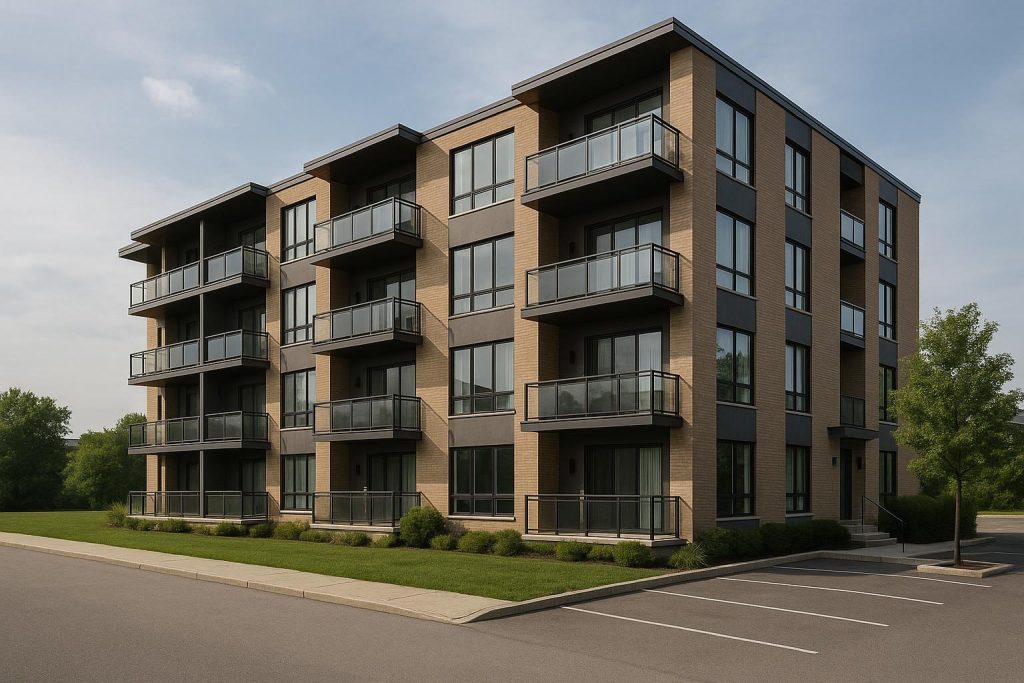
Parking availability is a key concern for many prospective condo buyers and renters. Whether you plan on commuting regularly or simply wish to keep a vehicle on hand for weekends, the peace of mind that comes with a reliable parking space can be significant. Yet, many people are uncertain about whether every condo includes a designated parking spot. In reality, there is no universal rule: building policies, urban planning considerations, and local regulations all influence how parking is allocated and whether you are guaranteed a space. Below, we explore the factors that shape condo parking allocations, along with practical steps you can take to find the right fit for your lifestyle.
Why Parking Matters in Condo Living
For many urban dwellers, a convenient parking spot close to home can save time, reduce stress, and simplify daily life. If your workplace lies outside of public transit routes—or if you often travel beyond the city—knowing your car is easily accessible can make a noticeable difference in your routine. When you own a vehicle, having a designated spot can also protect it from damages and everyday wear from street parking. However, as cities focus increasingly on sustainability and decreasing traffic congestion, certain condo developments choose to limit parking facilities to encourage the use of public transit, bicycles, and shared vehicle programs. In areas where walkability is strong and transit is abundant, assigned parking may not be an automatic feature in every building.
Variations in Building Policies
Condo parking policies can range from buildings that offer one spot per unit to those that require a separate purchase or rental of parking stalls. In some complexes, you may discover that parking spaces are included as a standard amenity and bundled into the cost of the condo. Other buildings treat parking as an optional upgrade, allowing unit owners to opt out if they prefer a less car-focused lifestyle. This flexibility can be beneficial, particularly if you want to save on monthly fees or are committed to an environmentally conscious way of life. Yet, it can also reflect high demand for limited spaces, creating a competitive environment where parking stalls may be priced at a premium.
Urban Density and Development Trends
Cities worldwide continue to grow, and so do eco-friendly initiatives that aim to reduce vehicular traffic. Urban developments often emphasize walkability, cycling infrastructure, and public transit. Streets are sometimes repurposed for wider sidewalks or dedicated bike lanes, which can slow the creation of new parking facilities. Some modern condo complexes respond by offering shared parking to be leased on a first-come, first-served basis, or by promoting car-sharing services instead of private vehicle ownership. This especially occurs in areas with robust public transit corridors. If you are searching for a new condo, it’s crucial to evaluate whether your intended neighborhood has the transit links you need. You’ll also want to consider the building’s approach to parking as part of a broader look at how well the condo fits your transportation needs.
Dedicated Spaces and Underground Parking
Many contemporary condos include dedicated underground parking for residents, which can be a huge perk when you live in regions with seasonal weather extremes. In these setups, each unit often comes with one spot, and in some buildings you may have the option to lease additional stalls if available. Frequently, this underground space is gated or otherwise secured, giving you extra peace of mind that your car is protected from theft, vandalism, or weather damage. Visitor parking is also part of the equation in some buildings, providing a convenient place for friends and family to park when they come to visit. While underground parking is popular, you should verify whether the condo fees you pay include maintenance costs for this structure, as it can represent a substantial portion of the building’s ongoing expenses.
Leasing vs. Owning a Parking Spot
Some condos treat parking spots as separate assets that can be purchased or rented independently, which means you may have a bit of choice in how you structure this aspect of condo ownership. Leasing a spot might be appealing if you are uncertain about needing a car long-term. If you later decide to get rid of your vehicle, simply ending your parking lease might be more straightforward than trying to sell a physical parking stall. On the other hand, owning a spot can potentially increase your unit’s resale value, especially in areas where parking remains in high demand. It also grants you the long-term right to use or even sublease your stall, depending on the building’s regulations. However, not all condo boards permit separate sale or leasing of parking stalls, so you will want to confirm the building’s rules before making any commitments.
Impact on Condo Fees
One relevant aspect of designated parking is how it affects your overall condo fees, sometimes referred to as “strata fees.” In many cases, the cost of maintaining parking facilities—whether above-ground lots or underground structures—is shared among all unit owners. If your building offers a secure gated lot, for instance, fees might cover lighting, gate maintenance, and repairs. These ongoing expenses are typically factored into the broader monthly fees you pay. In buildings with optional parking, you might see a lower overall monthly cost if you choose not to reserve a stall. However, if you do opt for parking, there might be specific charges that correspond to your share of upkeep. Either way, researching how a condominium budget is structured is wise if you want a full understanding of your financial commitment. If you’re curious about potential extra fees in other condo amenities—like reserving party rooms—feel free to check out Are there any extra fees to reserve the condo party room?
Confirming the Details Before You Buy
Before finalizing a condo purchase, it’s always prudent to verify the exact parking arrangement for your unit. An effective tactic is to ask direct, pointed questions: “Is there a designated stall guaranteed with this unit?” or “What are the associated monthly costs?” You can also request to see a layout of the parking area, which might reveal potential traffic bottlenecks, ease of elevator or stairwell access, and security features. If your primary concern is whether you’ll have a spot at all, confirm it in writing before you commit. Equally important is understanding visitor parking policies—especially if you often host guests. For a broader exploration of getting all the facts on condo amenities, read How can I find out which amenities are included before I buy?
Future-Proofing: EV Chargers and Beyond
Modern living increasingly includes electric or hybrid vehicles, so it’s smart to research whether your condo has or plans to add electric vehicle (EV) charging stations. Some progressive condo boards are open to adapting their facilities over time, especially as government incentives and regulations around low-emission vehicles expand. This could mean retrofitting existing stalls with charging stations or adding new ones in shared areas. If you’re curious whether your board might add new or upgraded amenities down the line, you might find it helpful to review Can condo boards add new amenities over time? This future-oriented mindset can help ensure your parking space remains valuable, even as driving technologies evolve.
The Influence of Location
Another key factor to keep in mind is the condo’s surrounding environment. In bustling city centers, land is often at a premium, so developers may opt to limit the number of parking stalls. Suburban condos, by contrast, may offer more generous parking allocations, given the likelihood that residents rely on personal vehicles more often. If your condo is near a major transit station, you could reduce or skip the need for a personal vehicle altogether, which could lower your monthly costs and eco-footprint. At the same time, you might want flexible options for an occasional vehicle if your lifestyle includes weekend trips or off-hours errands. The best approach is to align the condo’s location and parking situation with your day-to-day routines and future goals.
Visitor Parking and Community Needs
Beyond your personal stall, you might also consider how the building handles guest parking needs. Some condos maintain dedicated visitor spaces that operate on a permit system, allowing residents to register guests for limited time periods. Others offer pay-per-use visitor spots, which can be especially practical in dense urban areas where on-street parking is scarce. If you frequently entertain or host family gatherings, a building with plentiful visitor parking can simplify your life and reduce stress around event planning. It’s useful to find out whether the building enforces time restrictions on visitors—some condos do impose nighttime regulations on these common areas. If you’re curious about general late-night amenity use, explore Are there typically restrictions on using condo amenities at night?
Holistic Review of Amenities
Though parking is a significant part of condo living, it’s by no means the only aspect that matters. Before you buy or sign a lease, you’ll also want to assess the building’s amenity mix—fitness facilities, shared outdoor terraces, and lounge areas can all impact your quality of life. Tracking the building’s age and how well it’s maintained can give you insights into whether parking facilities are up to date too. For instance, older buildings might have an underground parkade that needs refurbishment, while newer developments could offer advanced security and lighting systems. Looking at the overall picture ensures you strike the right balance between your immediate and long-term needs.
Questions to Ask Your Property Manager
It’s best to gather as much information as possible before making a decision on any condo. Here are some questions to consider:
- Is a parking spot automatically included? If so, confirm if it’s deeded to the unit or part of a separate lease.
- What are the monthly or annual fees? Do these fees include maintenance, security, or potential special assessments for repairs?
- How are visitor spots managed? Is there a time limit, or a permit-based system in place?
- Do you allow for electric vehicle charging? Are there any plans to install or expand charging infrastructure?
- What happens if I no longer need parking? Can I rent or sell the spot within the building’s guidelines?
Understanding these details can help you avoid surprises and feel more confident about your purchase or lease.
Comparing Different Condos
If you’re in the market for a condo, you might be surprised at the range of parking options from one development to another. One building, for instance, might include a single underground stall and limited additional spaces for rent, while another might require you to purchase your stall separately. When reviewing multiple properties, it can be helpful to create a checklist of your personal must-haves—like assigned parking, visitor parking, EV charging availability—and then evaluate each condo against that list. By doing so, you’ll not only simplify your decision-making process, but you’ll also reduce the chance of overlooking important details that could impact your living situation down the road.
Exploring Example Projects
Every development tackles parking differently, so exploring real-world examples can offer valuable clarity. If you’re researching a variety of new or established condo buildings, you can explore our Projects to see how some properties handle designated parking and other key features. While a dedicated parking space is often high on the list of buyer and renter priorities, keep in mind that overall convenience also depends on the building’s proximity to transit, cycling routes, and walkable amenities. By viewing real examples, you can see how each aspect of the development—from lobby design to parking infrastructure—contributes to a balanced living experience.
Conclusion: Balancing Convenience and Sustainability
Ultimately, the question of whether every condo comes with a designated parking spot can only be answered by examining the specific building and the broader context in which it’s located. Parking arrangements in condo living span a wide spectrum, from automatically assigned stalls to optional spaces that must be leased or bought. Urban density, sustainability goals, and local regulations all play a role in shaping what’s available. As you explore different developments, keep your personal commuting habits and future plans in mind. Ask direct questions of your property manager or development team, and confirm everything in writing if parking is a priority. Whether it’s having your own dedicated stall or choosing a building that emphasizes greener transit, the goal is to find a space that suits you best. If you’d like more information or have specific parking requirements, feel free to contact our team and learn more about how a condo’s parking setup might align with your plans.
By viewing condo parking through a holistic lens—considering visitor access, monthly fees, location, and future upgrades—you’ll be better positioned to make an informed choice. Parking may not be guaranteed in every building, but having a clear understanding of a development’s policies will help you avoid headaches later. As you weigh your options, remember that condominium living is about more than just storing a vehicle. It encompasses a lifestyle, community, and series of amenities that should collectively address your needs. The process involves aligning your priorities—whether that’s guaranteed parking, modern facilities, or closer proximity to public transit—to ensure the condo you choose truly feels like home.
