

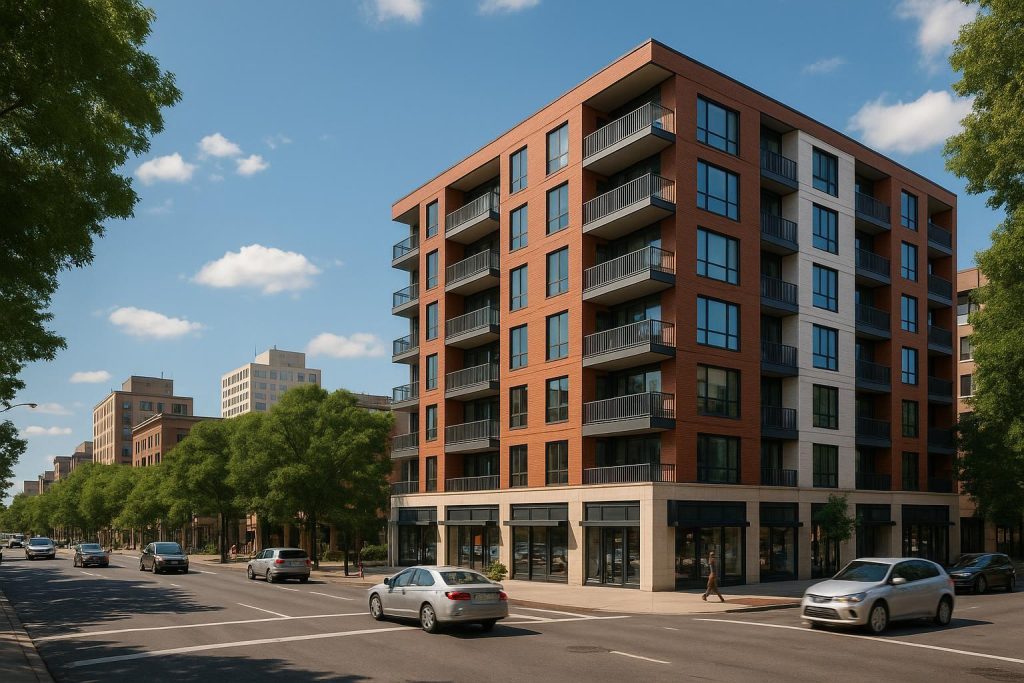
Future-Focused Mixed-Use Properties: Embracing Adaptability and Community
As cities evolve and housing demands rise, the need for forward-thinking mixed-use developments becomes ever more apparent. Today’s property landscapes must cater to modern lifestyles that often blend residential, commercial, and leisure activities into one connected environment. From flexible design solutions that cater to varied tenant preferences to data-driven building systems that optimize resources, mixed-use projects are moving toward a future defined by adaptability. These spaces must also cultivate a sense of community through interactive, well-designed public areas that encourage social connection. The result is a dynamic type of property that can accommodate shifting residential and commercial demands for decades to come.
1. Designing for Changing Needs
Design flexibility is the hallmark of future-proof mixed-use developments. Traditional buildings often lock owners or tenants into specific configurations, making it challenging to adapt spaces if market conditions or occupant preferences shift. By contrast, the next generation of mixed-use properties benefits from layouts that can be reconfigured easily:
- Multipurpose floor plans: Offer open-concept designs that can be compartmentalized using partitions, moveable walls, or retractable dividers. This way, retailers can switch from a storefront to a pop-up coworking space without requiring major renovations.
- Residential versatility: Develop living units that can be rearranged to accommodate families, roommates, or solo professionals. For those who work from home, built-in nooks and flexible living areas allow seamless integration of dedicated office space.
- Community-friendly amenities: Shared lounges, rooftop terraces, or multipurpose rooms can be adapted to host resident gatherings, conferences, or local events, creating a true sense of shared space.
Implementing such designs ensures that if local culture or community preferences evolve, the physical space can adjust accordingly, mitigating the need for frequent and expensive retrofits over time.
2. Integrating Technology at Every Turn
In the modern property landscape, integrating digitized solutions goes far beyond adding smart thermostats. New-generation mixed-use developments incorporate Internet of Things (IoT) devices, building management dashboards, and real-time analytics that track energy usage, security systems, and occupancy patterns. This level of insight helps property managers remain responsive and cost-efficient:
- Energy monitoring for sustainability: Automated HVAC systems with sensors can adjust heating or cooling based on foot traffic, the time of day, or the weather. This lowers utility bills and contributes to a more sustainable footprint.
- Security and access control: Keycard or mobile app entry ensures that commercial tenants and residents can enter only authorized areas, enhancing privacy and safety.
- Common area oversight: Occupancy sensors can detect when a shared lounge or meeting room remains empty. Building operators can then repurpose those spaces for a special event or conserve energy by dimming the lights when activity is minimal.
Given that technology evolves quickly, selecting interoperable systems is fundamental. This approach enables developers to seamlessly integrate new sensors, software, or hardware without overhauling the entire infrastructure. Through ongoing software updates, property owners benefit from real-time feedback on how their spaces are used, allowing them to pivot strategies or amenities as community demands shift.
3. Merging Live, Work, and Play
One of the strongest selling points of mixed-use developments is the convenience of having residential, commercial, and leisure activities under one roof. This level of integration makes the property more appealing to a broader audience, from remote professionals seeking a local café workspace, to retailers hoping to capture a built-in customer base.
For future mixed-use properties to excel, designs should foster:
- Easy transitions between zones: Residents should be able to walk from their apartment to a coworking hub or a neighborhood grocery store without stepping outside for too long when weather is harsh. Similarly, visitors should know where to park, grab a coffee, and shop in a centralized layout.
- Community-building events: By hosting farmer’s markets, art expos, or holiday gatherings in shared courtyards, developers can help integrate commercial tenants with local residents. These efforts cultivate loyalty and promote local businesses within the building and the surrounding neighborhood.
- Adaptive commercial space: A building that includes flexible retail areas can embrace new trends or short-term pop-ups. For instance, a retail space that transitions to a wellness studio on weekends or becomes a gallery during an arts festival offers diverse, engaging experiences to people who live or work nearby.
When planned effectively, multi-use environments contribute to a connected lifestyle where daily errands, social engagements, and even career obligations intertwine seamlessly under one roof.
4. Prioritizing Livability and Community Engagement
Despite the advantages of technology and innovative design, human connection remains paramount. Whether residents are interacting on a rooftop terrace or professionals gather in a building’s café, community engagement elevates any living experience. As property development evolves, it must keep in mind the real people who inhabit these spaces:
- Walkable neighborhoods: Encouraging pedestrian-friendly pathways not only supports local businesses but also promotes a healthier, more inclusive environment for everyone.
- Outdoor green spaces: Green rooftops, courtyards, and landscaped terraces allow for relaxation or socializing in open-air settings. These pockets of nature are crucial for physical health and mental well-being.
- Civic partnerships: Coordinating with municipal officials and local organizations can yield projects that reflect the neighborhood’s identity. By aligning with community goals, developments become an integral part of the local fabric, not an isolated addition.
When local residents feel an attachment to a new building or public gathering space, they are more likely to participate in group events, support local stores, and share feedback that helps shape future amenities. This feedback loop nurtures strong relationships between developers, owners, and community members.
5. Embracing the Benefits of Adaptable Construction
Property planners increasingly rely on modular construction techniques or prefabricated components that streamline the development process. These can be especially helpful when constructing mixed-use properties that must be agile:
- Construction efficiency: Prefabricated components can reduce on-site labor costs and shorten building timelines. This supports developers who want to bring new housing or commercial spaces to the market faster.
- Future modifications: Modular elements can be repositioned or upgraded without demolishing large sections of the structure. Whether a tenant leaves or a new commercial trend emerges, owners can upgrade spaces more smoothly.
- Quality and consistency: Building elements created in a controlled factory environment typically face fewer quality issues. This approach can result in a more predictable, standardized final product.
While modular techniques are not universally applied to every project, they highlight the notion of building for agility. The ability to adapt not only speeds up early construction phases but also ensures a property retains long-term viability in an ever-shifting marketplace.
6. Harnessing Local Input and Collaboration
Working closely with municipal bodies, neighborhood associations, and local stakeholders is often a preemptive solution to potential zoning or permitting challenges. While these hurdles can extend the initial planning phase, approaching them proactively can lead to a development that is welcomed by its community. Early community engagement sessions reduce misunderstandings about project intentions and highlight shared goals:
- Insight into local demand: Residents often know better than anyone what services are missing in their immediate area. Helpful feedback can guide decisions about the types of commercial and amenity spaces to include.
- Better alignment with urban plans: Municipal planners typically have broader goals for transit-oriented development, sustainability, and community growth. Collaborating at the outset helps align both developer and city visions.
- Fostering ongoing goodwill: When a development actively consults with neighbors, it builds trust that can sustain the property during changing economic climates.
For more on the importance of civic partnerships, you can explore related insights in our sibling FAQ: What role does local feedback play in shaping the neighborhood benefits of a new mixed-use project?
7. Balancing Financial Feasibility and Innovation
Every new building design, technology investment, and sustainability initiative comes with a price tag. For a mixed-use development to stay viable, balancing innovation with return on investment is essential. Budgeting goes beyond initial construction costs to include ongoing maintenance, potential redevelopments, and operational expenses such as utilities:
- Phased development strategies: Releasing certain sections of the project in phases helps manage costs and react to tenant interest. If new regulations or market shifts occur, developers can pivot subsequent phases accordingly.
- Investment considerations: Prospective backers need a clear vision of when and how returns will materialize. By showcasing stable demand from residents and businesses, developers convey reliability to lenders or partners.
- Long-term operational efficiency: Upfront investment in robust materials and energy-saving systems often lowers future costs, offering a competitive edge over less efficient properties.
For a deeper look at how investors can weigh these factors, consider reviewing our sibling FAQ, which covers key topics for backers of future mixed-use projects: What factors should investors consider before funding a future mixed-use project?
8. Encouraging Diverse Tenant Engagement
The success of a mixed-use property often hinges on having the right balance of commercial and residential tenants who share a commitment to community goals. Residential tenants might be drawn to the convenience and livability of an integrated design, while businesses appreciate the built-in customer base and foot traffic.
Developers and property managers can promote strong tenant engagement by:
- Offering targeted amenities: This could include providing a small business center for entrepreneurs or a booking system for event spaces where vendors can display their products.
- Flexible common areas: Creating well-appointed gathering places—like shared lounges or lobbies—where residents and business owners can collaborate or simply socialize.
- Resident programs: Hosting social events, workshops, or fitness classes to foster a tight-knit, supportive environment.
If you’re curious about how renters specifically benefit from the built-in lifestyle found in mixed-use communities, you might find useful insights in our sibling FAQ: How do renters benefit from the unique lifestyle offered by mixed-use properties?
9. Navigating Zoning and Permitting Challenges
Before a developer can break ground on a new mixed-use project, they must navigate a range of local rules and legalities. Regulations might limit the building’s height, impose requirements for number of parking spaces, or even affect the way certain commercial uses are integrated. Steering through these challenges effectively ensures that the final result aligns with safety guidelines and community expectations:
- Early alignment with city planning: The earlier developers consult with local planning offices, the better they can design a project that complies with regulations from the outset.
- Adjusting for mixed-use functionality: Mixed zoning can be more complex than single-use designations. Working with legal experts and architects who understand multi-functional compliance is essential.
- Public hearings: In many regions, the approval process requires hosting public meetings where community members can voice concerns or support. Managing these sessions diplomatically can take significant time and planning.
To explore how these processes affect planning, you can refer to our sibling FAQ: What zoning and permitting hurdles can arise when planning a new mixed-use development?
10. Showcasing Successful Projects
While theory provides valuable guidance, physical examples can illustrate how integrated spaces truly function. By examining real-world successes, developers and investors gain clarity on which features or amenities resonate well with residents, which design elements are most cost-effective, and how local communities react to different commercial-residential mixes. If you’re interested in seeing how well-integrated commercial and residential spaces adapt to changing demands, take a look at our Projects for insight and inspiration.
11. Long-Term Vision for Mixed-Use Properties
The future of mixed-use development demands more than short-term gains. Long-term resilience lies in building structures that can quickly adapt to sociocultural and economic fluctuations. Whether that involves anticipating shifts in technology, preparing for an influx of remote workers, or revamping community spaces to stay relevant, a solid framework needs to be in place from day one.
By focusing on flexibility, technology adoption, community engagement, and robust financial planning, mixed-use developments can stay at the forefront of urban progress. Adaptable floor plans, high-tech building management, and supportive communal areas create an environment that withstands evolving tenant expectations. Done correctly, a mixed-use project is not just another building on the skyline—it represents a sustainable, people-focused ecosystem that continues to grow and innovate for years to come.
12. Taking the Next Step in Mixed-Use Innovation
As the property landscape continues to shift, so must our approach to building. Mixed-use developments that account for community input, harness modern technology, and maintain adaptable layouts will be best positioned for long-term success. Looking ahead, projects that present seamlessly integrated residential and commercial spaces offer valuable benefits—a connected lifestyle for tenants, reliable foot traffic for businesses, and strong investment viability for developers.
When it comes to forging this future, ongoing collaboration with local communities, potential investors, and municipal bodies proves essential. Visionary ideas paired with practical design create spaces that inspire human connection, delivering a new era of urban living where work, home, and play are unified in a beneficial social framework. If you would like to explore how flexible design and innovative planning can work in practice or have specific questions, feel free to contact our team and learn more about creating vibrant, community-focused developments.
In embracing these guiding principles—live-work synergy, flexible commercial space, responsive technology, and strong community ties—future mixed-use properties will stand at the intersection of innovation and human-centered design. By planning thoughtfully for tomorrow’s challenges, we not only meet today’s demands but also establish enduring value that fosters well-connected, thriving neighborhoods.
