

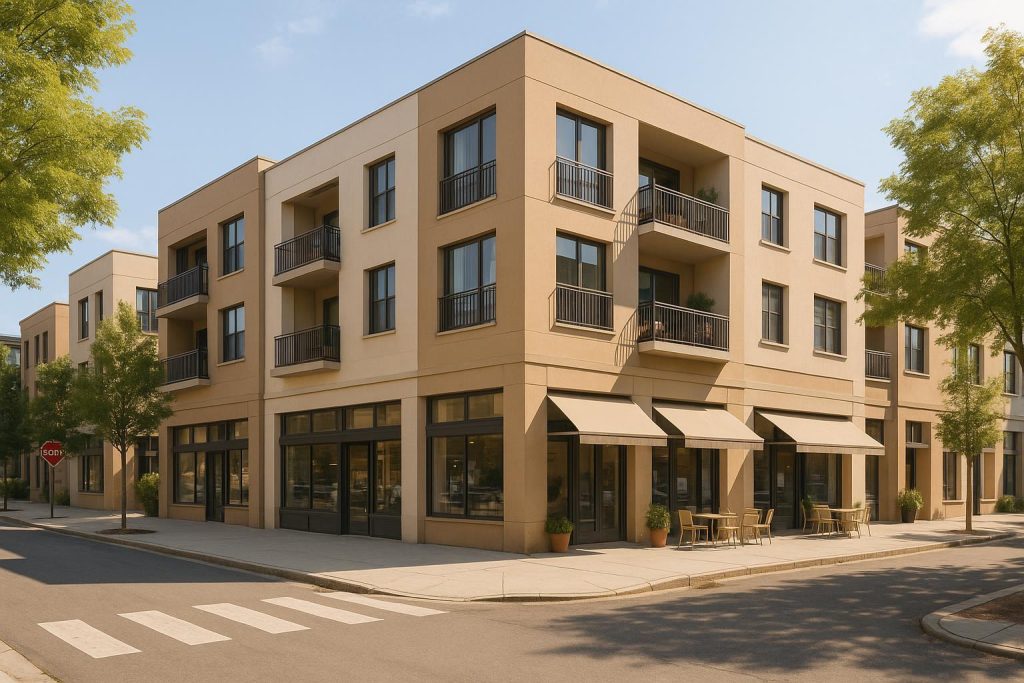
Understanding Mixed-Use Properties: A Comprehensive Exploration
Mixed-use properties are more than just buildings that combine residential and commercial spaces. They stand at the intersection of convenience, financial resilience, and sustainable design. In today’s urban environments, these properties offer a way to foster more vibrant local communities by integrating places to live, shop, dine, and socialize. By reducing the distance between daily activities, they help people accomplish more within a single neighborhood, ultimately bringing multiple benefits for residents, businesses, and investors alike.
In this comprehensive guide, we will delve into the many advantages of mixed-use developments, from promoting walkability and convenience to encouraging community growth and economic stability. We’ll also discuss how these integrated spaces promote environmental responsibility, reduce commuting time, and open new doors for public engagement. Whether you’re a resident, a business owner, or someone exploring new housing options, understanding how mixed-use properties work can illuminate why they’re increasingly shaping modern urban landscapes.
1. Redefining Convenience and Walkability
One of the most appealing aspects of mixed-use properties is the sheer convenience they offer. By blending residential units with commercial operations like grocery stores, retail shops, or local cafes, daily errands become simpler and more accessible. Instead of driving across town to pick up groceries, you can walk downstairs or stroll a few blocks within the same complex or neighborhood. This level of walkability not only saves time, but also promotes a healthier lifestyle. People who walk or bike regularly often find themselves feeling more energetic, engaged, and connected to their local area.
Additionally, living closer to everyday amenities can be a great solution for those seeking an alternative to car-oriented lifestyles. With safe sidewalks, designated bike lanes, and well-lit public pathways, residents can enjoy the freedom of moving without the hassle of traffic congestion. If you want to explore how else you can improve your living space for sustainability, consider checking out our related FAQ What are sustainable living upgrades? for practical ideas on eco-friendly features and thoughtful choices that may complement mixed-use living.
2. Fostering Community and Social Interaction
Beyond their convenient layout, mixed-use developments encourage deeper community ties. When people live, work, and shop in close proximity, they are more likely to engage with each other. Whether it’s chatting at a local coffee stand or attending neighborhood events in shared courtyards, these informal encounters create a sense of belonging and neighborliness. Green spaces, sidewalks designed for strolling, and communal areas like rooftop terraces or courtyards can become social hubs that bring together residents and visitors.
Shared amenities are particularly valuable for those looking to establish meaningful connections among neighbors. In some properties, you’ll find co-working spaces, multipurpose rooms, or even small parks. These areas host community gatherings, workshops, and cultural events. Such environments make it easier for people to form friendships, exchange ideas, and bond over shared experiences. By bolstering neighborhood relationships, mixed-use properties effectively transform a simple set of buildings into a vibrant, cohesive community. If you’re in the process of choosing your next home, you may find our recommendations in What to look for when choosing an apartment? especially relevant.
3. Strengthening Local Economies
Another advantage of a mixed-use property is the positive economic impact it can generate. Local businesses often thrive in places where residents are only a short walk away. This proximity increases the likelihood of repeat visits to shops and restaurants, boosting foot traffic and revenue. A successful commercial component, in turn, attracts more visitors from outside the immediate area, which can further stimulate growth and help local entrepreneurship flourish.
By bringing diverse functions under one roof or within a concentrated locale, mixed-use developments can offer multiple revenue streams. Property owners and investors benefit from a mix of residential rents, commercial leases, and possibly income from shared parking facilities. This diversification reduces the risk that often comes with relying on a single type of tenant or economic sector. As a result, neighborhoods that embrace these projects tend to remain more stable in the face of broader market fluctuations.
Local governments also see advantages from these thriving communities. Increased tax revenue from successful businesses can boost municipal funds, potentially leading to better public services or infrastructure improvements. In turn, these enhancements make the area even more attractive for future residents or business tenants.
4. Supporting Environmental Sustainability
It’s hard to talk about modern urban design without discussing sustainability. Mixed-use developments inherently promote environmentally responsible practices in several ways. As people live closer to their daily needs, they’re less reliant on cars, reducing carbon emissions and traffic congestion. The design of many of these developments prioritizes energy efficiency, green spaces, and alternative modes of transportation. Bike storage rooms, electric vehicle charging stations, and well-designed public transit connections are just a few examples of eco-friendly features that may be integrated into mixed-use properties.
Many architects and planners also focus on constructing energy-smart buildings that incorporate natural light, efficient HVAC systems, and sustainable materials. This thoughtful planning helps lower utility costs for residents and businesses, while simultaneously benefiting the environment. If you’re looking for other ways to adopt greener living strategies, you might also appreciate reading our FAQ on How to make your apartment more eco-friendly?. Integrating small but significant changes adds to the overall sustainability of the community, supporting cleaner, healthier living conditions for all.
5. Enhancing Property Values and Long-Term Resilience
A property is often considered one of the most important investments a person can make. In many cases, a mixed-use development can offer added economic advantages by providing long-term asset stability. When one sector of the market experiences a downturn, another segment—retail, office space, or residential—may sustain the overall health of the property. This balance can cushion economic blows and make these developments more resilient over time.
As the popularity of convenient, walkable communities increases, real estate values in these neighborhoods often see a gradual rise. A thriving commercial hub located just steps from home is an attractive amenity for many potential buyers or renters. Furthermore, as the area develops a reputation for lively street life and accessible conveniences, property values can appreciate as part of a larger trend toward livability. For those who prefer to invest in well-rounded neighborhoods that meet multiple needs, a mixed-use property can be an appealing option.
6. Nurturing a Healthier Lifestyle
Mixed-use properties encourage more daily steps, less vehicle reliance, and better access to local businesses offering fresh foods and fitness opportunities. By walking to a nearby market instead of driving to a distant grocery store, residents often develop healthier habits almost by default. The availability of inviting public spaces also encourages outdoor recreation. Sidewalk cafes, pocket parks, or rooftop lounges become natural backdrops for social interaction and relaxation.
A reduced dependence on vehicles can have tangible benefits for physical and mental well-being. Less time spent in traffic translates into fewer stressors and more opportunities for exercise or community engagement. With everything from gyms to clinics located within the same complex or nearby, daily life becomes significantly more balanced and less fragmented. People who prioritize their wellness often find that a walkable, integrated district is an ideal setting to cultivate healthier routines.
7. Facilitating Cultural and Public Engagement
Alongside residential and commercial spaces, many mixed-use developments integrate cultural or recreational centers that enrich local life. Museums, art galleries, and community theaters can be embedded within or adjacent to these developments, creating avenues for civic engagement and artistic expression. These cultural anchors attract a diverse audience, from families attending weekend events to tourists exploring local history or art.
Public events and gatherings in shared plazas or courtyard spaces also bring a sense of excitement and variety to daily life. Local artisans might set up weekend markets, while small pop-up concerts can entertain passersby. These cultural elements transform everyday living into a dynamic experience, reinforcing the idea that a neighborhood is more than just a collection of buildings—it is a living, evolving, and shared space. This is especially important for those relocating to a new city or seeking a community that goes beyond a simple place to sleep.
8. Encouraging Responsible Development
At their best, mixed-use properties reflect responsible planning and thoughtful community integration. A successful project takes local character, community needs, and environmental impact into account from the very beginning. Developers often work closely with local stakeholders, municipal authorities, and civic groups to ensure that these projects align with broader goals for sustainable city growth.
From an architectural standpoint, each mixed-use site exhibits purposeful design, balancing modern amenities with timeless aesthetics. Building materials are selected for their durability and sustainability, while floor plans are engineered to serve the needs of a diverse group of users. This conscious approach improves livability and fosters a sense of pride in the neighborhood. It also helps reduce the carbon footprint by making it easier for residents and businesses to adopt more responsible habits—from recycling programs to energy-efficient appliances.
9. Diversified Income and Investment Opportunities
In a mixed-use setting, diversity doesn’t just refer to the range of amenities but also to the investment portfolio. Retail, residential, and office components can produce multiple types of revenue, insulating property owners from market fluctuations in individual sectors. Such diversification appeals to investors who are looking for stable, long-term returns.
Even for smaller investors or individual buyers, these developments can be attractive because they typically display robust occupancy rates. Retailers appreciate the proximity to a built-in customer base, and residents gain from having goods and services right downstairs. The reinforcing cycle of demand and convenience has the potential to keep occupancy levels healthy, benefiting everyone involved. For more insights on making strategic real estate purchases—particularly if you’re considering condos—see our FAQ What to consider before buying a condo?. While the subject is slightly different, the principle of fully understanding an investment before committing to it remains similar.
10. Potential Challenges and How to Address Them
Despite the wide range of advantages, mixed-use developments can face their own challenges. Zoning regulations, neighborhood opposition, and infrastructure demands can slow or complicate a project’s progress. Additionally, effectively blending commercial spaces with residential living requires a careful approach to noise reduction, privacy, and traffic flow management. When developers fail to plan for these variables, the project can lose the sense of harmony that a well-executed mixed-use environment should provide.
However, by integrating community feedback early in the process and working with urban planners, architects, and residents, these issues can be addressed proactively. Responsible developers often organize public consultations, adapt designs based on resident input, and invest in quality construction to mitigate potential downside. The result can be a seamless integration of living, working, and recreating spaces that enhances a neighborhood without overwhelming its infrastructure.
11. Looking Ahead: Mixed-Use Trends and Innovations
The future of mixed-use properties is bright, as combined residential-commercial environments continue to gain popularity in both suburban and urban settings. Developers are experimenting with new concepts, such as integrating co-working spaces into residential towers or creating vertical gardens that supply fresh produce to on-site restaurants and grocery areas. These innovations keep the concept dynamic, ensuring mixed-use developments can adapt as communities evolve.
Smart technology is another emerging trend. From app-based security systems to shared e-scooter docking stations, digital solutions offer more flexible and efficient ways of navigating mixed-use communities. Energy-saving sensors and advanced HVAC systems further reduce the overall environmental impact of these developments. This evolution reflects a shift toward a future where properties serve more than a single function, allowing neighborhoods to thrive economically, socially, and ecologically.
12. Bringing It All Together
Mixed-use properties stand out for their ability to bring people closer to the things that matter most—community, convenience, economic prosperity, and a sense of place. Blending diverse environments under one roof can transform an ordinary block into a thriving hub of activity. From walkability and social interaction to boosting local business and environmental responsibility, these developments present a forward-thinking approach to urban living.
Curious to see how these ideas come to life? Feel free to Explore Our Projects to learn more about purposeful developments that embrace this integrated approach. Mixed-use neighborhoods aren’t just convenient—they’re a clear reflection of evolving lifestyles focused on creating livable, inviting spaces for today and tomorrow. If you’d like additional information on thriving in urban housing, you might also enjoy reading about topics like what are common apartment layout mistakes?, which explores how design choices affect everyday comfort and functionality. As cities continue to grow and evolve, thoughtful mixed-use properties are likely to remain at the forefront of sustainable, people-focused development.
