

Maximizing Community Benefits: The Power of Ecological Design in Multi-Family Projects
Ecological design in multi-family buildings is much more than a trend. It is a concerted effort to integrate natural processes and sustainable choices into modern housing. By weaving energy efficiency, water conservation, responsible material selection, and other nature-friendly strategies into the architectural and operational fabric of a multi-family development, everyone from residents to surrounding neighborhoods can thrive. In this guide, we explore how ecological design fosters healthier lifestyles, strengthens local economies, and encourages meaningful civic engagement. Through this lens, we see how integrating nature-right initiatives isn’t simply about cutting costs—though that can also happen—but about making communities more vibrant and resilient for the long term.
Ecological Landscaping That Restores Local Biodiversity
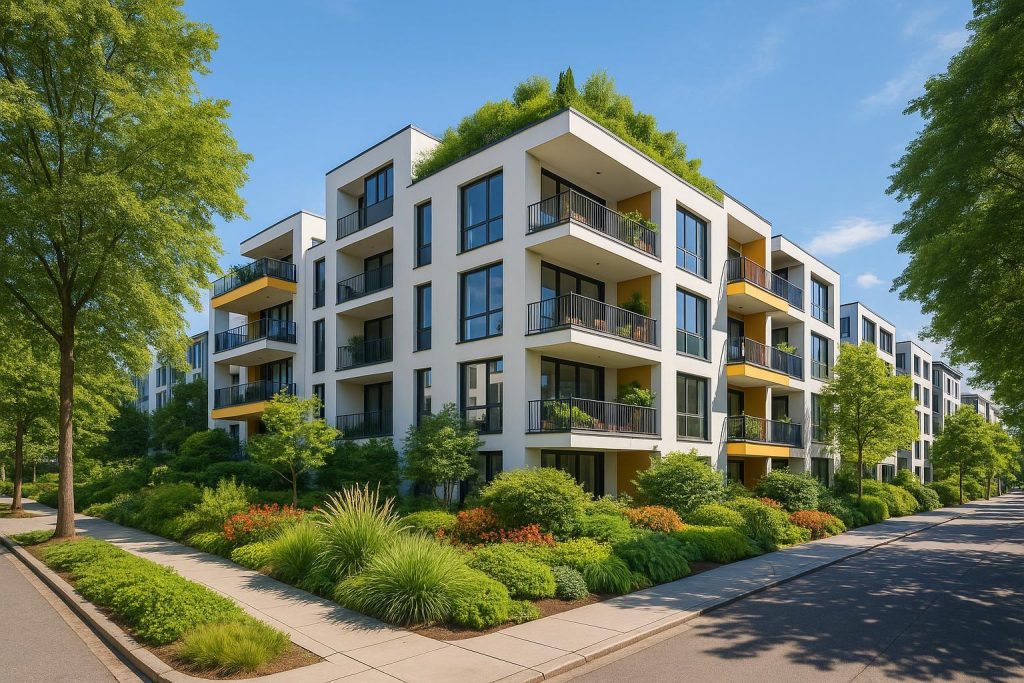
A foundational aspect of ecological design is the practice of using green landscaping features suited to the local environment. For multi-family developments, this might include planting native trees and shrubs in communal outdoor spaces or creating rooftop gardens filled with region-specific flora. By choosing vegetation geared to the local climate, you reduce the need for excessive irrigation, minimize pest problems, and restore natural habitats in an increasingly urbanized setting. Birds, insects, and other wildlife can find a supportive environment, which leads to healthier ecosystems.
Beyond the environmental gains, these lush landscapes offer social benefits as well. Shared gardens, shaded seating areas, and walkway-lined courtyards encourage neighbors to spend time outdoors. This regular interaction fosters close-knit community bonds. Ecological landscaping, then, does more than beautify a property: it helps residents and visitors alike reconnect with nature in a manner that enriches collective well-being.
Promoting Resident Well-Being and Community Connection
One of the most visible benefits of ecological design in multi-family complexes lies in its promotion of human health and interpersonal relationships. When a building is designed with ample green space, fresh air circulation, and access to natural sunlight, people living within those walls tend to feel more relaxed and mindful. Parks, community rooftop decks, or interior courtyards promote everyday physical activity while reducing stress.
Further, ecological design principles can improve social interactions. Amenities like shared gardens, composting stations, or resource-efficient laundry facilities encourage neighbors to come together. Over time, a sense of camaraderie forms when people recognize how small individual choices—like recycling more thoroughly or tending community planters—collectively support the environment. The result is a healthier shared space where people feel connected to one another and motivated to continue making positive choices.
Energy Efficiency as a Catalyst for Cleaner Living
Energy efficiency is frequently at the core of ecological design. In multi-family environments, energy-conserving building features—such as high-performance insulation, double- or triple-pane windows, and advanced HVAC systems—significantly limit excess energy use. These improvements conserve resources while improving indoor comfort and air quality. Residents benefit from lower utility bills, and the local community benefits from reduced strain on the regional energy grid.
Heating and cooling, in particular, represent a large portion of a building’s overall energy usage. By integrating efficient methods of climate control and monitoring with smart thermostats, developers ensure that homes use only the energy necessary to maintain comfortable living conditions. If you are curious about how well-designed multi-family spaces can lower energy waste, see our related FAQ: How does sustainable design reduce energy consumption in multi-family buildings? for deeper insights.
When utility bills drop, residents typically see the benefits in their monthly budgets. For more information, you can also explore this sibling FAQ: Does living in a sustainable multi-family complex help reduce monthly utility costs?
Expanding Local Economic Opportunities
On top of direct ecological positives, eco-friendly multi-family developments can boost local economies in multiple ways. First, they may attract businesses interested in locating near such forward-thinking and well-managed buildings. Coffee shops, small grocery stores, and retail outlets often gravitate toward developments known for high occupancy, stable rents, and a reputation for responsible development. This in turn supports job creation, stabilizes property values, and invites further investment into the area.
Additionally, municipalities sometimes provide incentives, including tax breaks or expedited permitting, for developers who follow high levels of sustainable construction. This makes the community more likely to see new building projects that balance cost-effectiveness with ecological design. If you’re wondering about the actual financial upsides for investors or property owners, check out a sibling FAQ: Are there tax incentives or financial benefits for investing in green multi-family developments?
When more buildings adopt green standards, entire neighborhoods can experience the resulting prosperity. Even short-term benefits—like job creation and increased demand for eco-friendly building materials—can blossom into long-term improvements, including more robust local businesses and enhanced community infrastructure.
Water Conservation for a Resilient Future
Water scarcity is a serious issue in many urban areas around the world. Ecological design addresses this concern by integrating water conservation features into multi-family buildings. Low-flow plumbing fixtures, efficient irrigation solutions, and rainwater harvesting systems all help minimize water use. Building designs can also incorporate greywater systems, which reuse water from showers or sinks for tasks such as landscaping. While not every municipality allows for all forms of water reclamation, each step toward reducing potable water consumption can make a difference when applied over many units.
For residents, improved water efficiency means lower water bills and a tangible sense of contributing to broader sustainability goals. Meanwhile, local communities gain when essential municipal water supplies face less stress. By protecting local aquifers, multi-family developments become partners in conservation, ensuring that critical resources are preserved for future generations.
Improved Waste Management and Recycling Efforts
Ecologically designed multi-family complexes tend to prioritize recycling, composting, and overall waste reduction. Ideally, a building layout will feature prominent, user-friendly recycling stations or dedicated chutes for glass, paper, and plastics. Some developments also incorporate shared composting bins, turning food waste into valuable soil amendment for on-site gardens.
When these programs are well-managed, they help divert a significant amount of trash away from landfills. This reduces pollution and aids in the circular economy, where waste materials are reused or repurposed to extend their life cycle. The broader community reaps the rewards of less litter, cleaner streets, and a culture that normalizes responsible waste handling. When neighboring property owners see these systems succeeding, they may introduce their own, creating a ripple effect across an entire region.
Inspiring Widespread Environmental Stewardship
One of the most overlooked yet powerful benefits of ecological design is its ripple effect. Sustainable multi-family buildings serve as real-world examples that inspire others in the area to improve environmental practices. From neighboring homeowners to local businesses, people who witness the tangible successes of an eco-forward complex—like reduced energy costs, flourishing greenery, and cleaner communal areas—often reconsider their own methods for saving money and supporting the environment.
This effect can be especially strong if the project includes educational components like posted signage about local ecosystems or resident-led environmental clubs. In these ways, ecological design acts as a catalyst, helping entire neighborhoods become more engaged in environmental stewardship. Ultimately, these collective efforts make communities healthier, greener, and more connected.
The Role of Eco-Conscious Building Materials
Digging more deeply into ecological design, many multi-family developers focus on selecting eco-friendly and responsibly sourced materials. These might include recycled steel, sustainably harvested wood, low-VOC paints, or insulated concrete forms. By using such materials, developers reduce the embodied energy—meaning the total energy used to manufacture and transport products—while ensuring that indoor and outdoor environments remain less polluted. For insights into these construction choices, see another related FAQ: What eco-conscious materials are commonly used in constructing multi-family housing?
Although advanced materials can come with a higher upfront price tag, the long-term advantages often outweigh the costs. These include greater durability, healthier indoor air, and a reduced carbon footprint. Over time, buildings constructed with green materials typically hold their value, particularly in markets where sustainability is a priority.
Designing for Climate Resiliency
Eco-friendly multi-family developments leave room for adaptation. By planning ahead for shifts in climate and urban density, ecological designers adopt resilient architecture that can weather storms, floods, droughts, or extreme temperature swings. Strategic use of permeable surfaces, for example, helps manage stormwater runoff, preventing local flooding. Incorporating solar panels or other renewable energy sources can supplement the building’s energy supply, reducing reliance on non-renewable resources.
These climate-focused design methods benefit local communities by lowering the risks of environmental damage. They also open opportunities for residents to become more self-reliant in terms of power and water use. As individuals and families become more aware of these built-in advantages, they often express deeper appreciation for the community’s committed planning.
Building Social Equity Through Sustainable Choices
Ecological design in multi-family spaces can increase social equity when thoughtfully implemented. By designing inclusive spaces that address environmental challenges, developers can provide high-quality housing across diverse economic and demographic groups. This is especially critical in urban cores where both housing demand and living costs can rise sharply. Sustainable design choices that emphasize durability, affordability, and livability help ensure that more residents have access to comfortable, community-minded homes.
For instance, strategic energy efficiency measures and water savings can help keep monthly costs manageable, which benefits both middle- and lower-income households. Access to green space, walking paths, and efficient public transit also levels the playing field by reducing dependence on cars. Ecological design, in this sense, doesn’t just revolve around the environment—it’s also about prioritizing people by improving daily living conditions for everyone.
Encouraging Multi-Generational Participation
Another valuable aspect of ecological design is its capacity to unite residents of varying age groups. Planting trees, harvesting produce from community gardens, or participating in building-wide composting initiatives can become intergenerational efforts. Older residents, for instance, who have years of gardening experience, can collaborate with younger neighbors curious about sustainable practices. These activities break down barriers, facilitating real collaboration and knowledge sharing.
Moreover, when a multi-family complex organizes events around eco-friendly themes—like seminars on recycling best practices or workshops about indoor herb gardens—everyone can get involved. This fosters a culture that values holistic well-being, continuing education, and a supportive environment. The sense of belonging that arises has a direct influence on resident retention and overall community satisfaction.
Opportunities for Local Collaboration
Ecologically oriented multi-family projects rarely stand alone. They create natural opportunities to collaborate with local nonprofits, urban agriculture experts, or environmental advocacy groups. These partnerships can be as simple as hosting a local farmers’ market in a communal courtyard or as comprehensive as organizing a tree-planting initiative in collaboration with municipal parks departments. Businesses and residents become more invested in the area’s ecological prosperity when they see tangible outcomes from collaborative green efforts.
By regularly engaging with neighboring organizations and interest groups, multi-family complexes evolve into community hubs. Whether it’s a monthly farm-to-table pop-up or a volunteer day to restore a nearby wetland, these engagements strengthen social connections while doing good for the planet. In time, this synergy spurs further environmental innovation and helps ensure that the spirit of ecological design stays active and dynamic.
Demonstrating Accountability and Transparency
Within a robust ecological design framework, accountability typically requires thorough data gathering and transparent communication about energy usage, waste reduction, and water savings. Monthly newsletters or building apps might display how much recycling building residents have collectively completed or how many kilowatt-hours have been saved thanks to sensor-based lighting systems. This real-time feedback can boost resident engagement and pride, while signaling to city officials and potential tenants that the development is serious about sustainability.
Community-wide accountability contributes to incremental growth. While it might start with adopting greener light bulbs or better insulation, over time the consistent monitoring of such improvements helps identify where more advanced upgrades or policy changes might yield greater results. This culture of proactive environmental awareness can spill into how local businesses address their own practices, reinforcing a cycle of improvement.
Real-World Examples: Our Projects
For individuals curious about seeing ecological design in action, examining completed builds or ongoing efforts is often the best way to grasp the practical benefits. At Vittori, for example, some of our Projects highlight how multi-family spaces can harmonize with the local environment. From the choice of materials to landscaping and water conservation strategies, each element is deliberate. This helps ensure that communities emerge not only as places to live but as habitats where people and nature can flourish in tandem.
If you’re aiming to learn more about the real-world incorporation of sustainable features, consider visiting these project links. Observing success stories sheds light on what is possible when developers and communities collaborate to protect and enhance local ecosystems. Even small design improvements can make a notable impact—and, when scaled up to larger multi-family developments, the transformation can be remarkable.
Moving Forward With Sustainable Principles
Ultimately, ecological design in multi-family developments does far more than minimize environmental impact. It leads to stronger social structures, higher local investment, and a new generation of residents who care about living responsibly. By adopting planet-friendly strategies, building owners help their communities adapt to changing environments, preserve precious resources, and develop deeper connections to one another.
Whether you’re exploring the potential financial incentives behind going green or simply want to discover ways to reduce your ecological footprint, ecological design provides a comprehensive framework to build a healthier future. Each building that embraces green principles underscores the fact that sustainability is not a luxury—it is a vital dimension of modern community living. By planning carefully and following responsible practices, multi-family developers elevate quality of life for their residents and, by extension, for all of the neighbors who share the community.
For those seeking more resources related to sustainable multi-family housing, we invite you to explore our additional FAQs. You might be interested in discovering how tax incentives or financial benefits can support a project’s bottom line, or what eco-conscious materials are commonly used in such developments. Each question points to the same conclusion: ecological design is a win-win for multi-family properties and the communities they serve. By choosing nature-based strategies, everyone involved benefits—from the planet itself to every person who calls these buildings home.
