

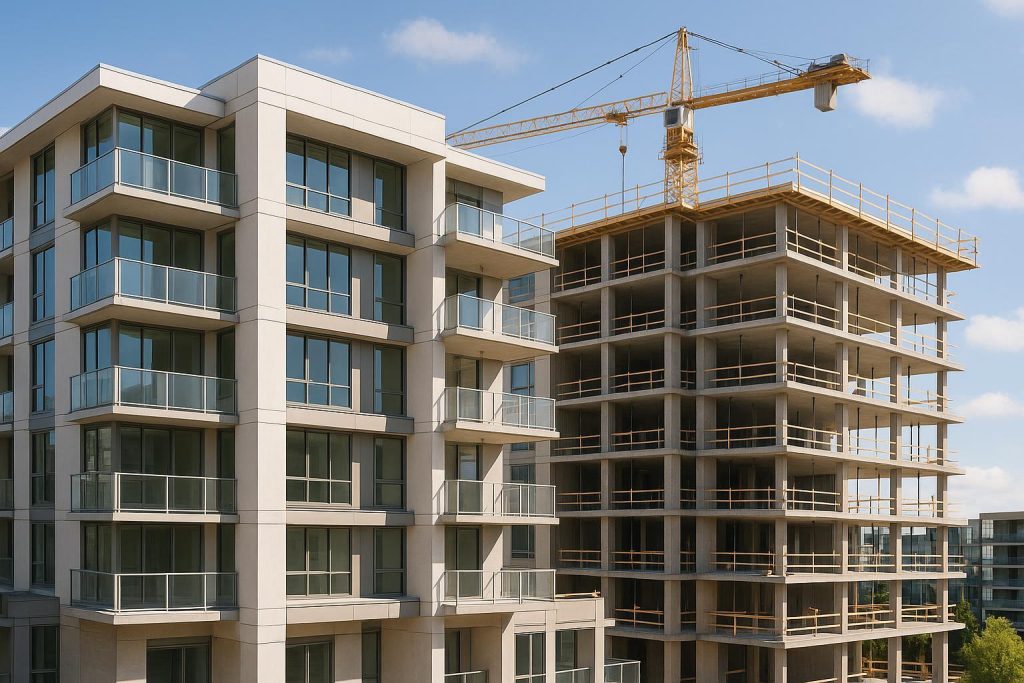
Beyond the Blueprint: How Presales Shape Tomorrow's Rental Market
In the world of real estate, presales represent an important step in the life cycle of a property development. These are agreements to purchase units—often condos or apartments—before construction has reached completion. Traditionally, people think about presales in terms of investment opportunities or as a way to secure a home in a hot market. Yet there is another side to this story: the influence presales have on future rental opportunities. From ushering in modern housing stock to bolstering developer confidence, presales can lay the groundwork for newly available rental homes in desirable communities. By looking at how these early commitments move a project forward, we can better understand why renters often benefit in the long run.
In this in-depth exploration, we will describe what presales involve, how they bolster the viability of new projects, and the ways they shape the kinds of rentals that emerge after construction ends. We will also touch on how modern designs and purpose-built features make newly constructed rentals appealing to a variety of tenants. Whether you are a renter or an investor—or simply curious about how real estate markets evolve over time—understanding the role of presales can offer fresh perspective on housing supply and rental demand.
Understanding the Presale Concept
A presale typically occurs when a developer offers units to buyers before the property is physically complete. If you're unfamiliar with this concept, you may want to consult a more fundamental resource in order to understand the basics. One such option is What are presales in real estate? This article reviews the general structure of presales, from how down payments are often arranged to the legal frameworks that protect buyers. The key takeaway is that a successful presale phase encourages a developer to proceed confidently, obtaining financing and finalizing building plans at a stage where the project's viability is largely confirmed. In short, presales de-risk development because they give developers the assurance that enough units will be sold or committed to cover substantial portions of the construction costs.
With that financial reliability in place, developers can plan a project more strategically. When it comes to future rentals, the result is often more robust and timely additions to the neighborhood's housing stock. Because presales help accelerate construction schedules, these projects tend to stick closer to their anticipated completion dates, which means new units enter the rental market as planned. This can help alleviate regional housing shortages, particularly in lively urban areas that are grappling with heightened demand for modern rentals.
A Vote of Confidence in Local Demand
Developers often choose presales in markets where they see consistent or growing housing demand. Put simply, they will not embark on a presale campaign if they believe the local economy cannot support it. The ability to secure a sizable number of buyers early on signals that there is likely a strong appetite for housing in that area. Over time, these same locations often become prime spots for thriving rental communities. If a building captures robust presale interest, many of the eventual owners may then opt to rent out their units to make use of the healthy market conditions.
For renters, this scenario yields better and more varied choices. When a newly constructed property hits the market with well-designed units and conveniences that cater to modern lifestyles, renters gain the opportunity to select homes that truly align with their needs. The property owner, meanwhile, benefits from stable demand. As a result, the entire rental ecosystem in that area can strengthen. Moreover, if large numbers of owners bring their presale units to the rental market, it may help moderate overall rents by expanding the supply of new housing.
Ensuring Modern Amenities and Design
Another pivotal way that presales affect future rentals is through their influence on building design. Developers who secure significant upfront capital during the presale phase gain greater financial flexibility to include modern features and amenities. These might include energy-efficient appliances, smart home integrations, multipurpose community spaces, and more. In fact, because presales provide a measure of confidence regarding revenue, developers are more inclined to invest in thoughtful designs that emphasize livability, comfort, and practicality.
Tenants often stand to benefit from these upgrades, especially if they lease units in newly finished buildings. By the time the units become available, these properties have been thoughtfully planned, integrated with contemporary layouts, and equipped with attractive common areas. From a purely financial perspective, it can be more cost-effective for developers to incorporate advanced amenities when they already know they have sufficient funds to move forward. This approach speaks to why presales indirectly improve the quality of newly introduced rentals: stronger financial certainty enables developers to focus on elements that enhance the tenant experience.
Predictable Project Timelines
One of the biggest hurdles in real estate development is the unpredictability that can arise, whether from financing issues or external factors. Presales help mitigate some of this unpredictability. When a project has committed buyers, lenders and financial institutions are more open to backing it in a timely manner. With fewer financing delays, construction can progress steadily, which makes it more likely to meet the targeted completion date.
From a rental perspective, on-time or close-to-on-time completion means new housing is introduced at a pace that matches (or approximates) local demand. If renters know that construction delays are unlikely, they may even begin to plan ahead, perhaps joining an interest list or signing up for building updates. This sense of reliability can enhance trust in a developer's brand, generating a positive reputation for both the presale project and any future rentals. In contrast, if the building were delayed for months or years, that newfound supply might fail to meet immediate rental demand, causing frustration among prospective tenants.
Helping Developers Tailor Rentals to Actual Needs
Presales also serve as a gauge for what buyers—and, indirectly, future renters—are looking for. During the presale process, developers gain insights into buyer preferences. Are people seeking larger units with flexible layouts, or do they want smaller, more cost-effective spaces with creative storage solutions? Those insights may lead to design enhancements that also resonate with future tenants who will be renting in the building. When the building finally opens its doors, renters benefit from purposeful construction decisions that reflect real-world input.
If developers discover that a significant number of buyers express interest in renting out their units long-term, they might even create different finish packages or adapt building amenities to appeal to the tenant market. Sometimes, developers dedicate entire floors to rental units or consolidate spaces that can be easily managed by professional property management firms. Such decisions typically enhance the rental experience, offering improved maintenance and services. Ultimately, presales function as a feedback loop, helping developers refine and fine-tune their offerings in response to the market signals gleaned during early sales.
Expanding the Neighborhood Rental Stock
In many urban centers, the rental market is characterized by an urgent need for more housing, both to stabilize rental prices and meet growing demand. Because presales make it simpler for developers to fund and fast-track construction, new inventory can come to market more predictably. Owners who purchase in presale phases—such as investors looking for steady returns—frequently end up placing their units into the rental market soon after completion.
This influx can be seen in bustling neighborhoods where new developments—informed partly by presales—provide a reinvigorated sense of energy. Moreover, these new rental homes typically meet contemporary building guidelines and local standards. They also often feature attractive communal amenities, from rooftop patios and lounges to dedicated coworking spaces. For long-term renters looking for somewhere new to call home, these features signal a major step up from older units that might lack modern design or integrated technology.
Purpose-Built Rental Programs
Occasionally, developers will set aside a portion of a project exclusively for rentals. Although we often talk about presales in the context of units sold to individual owners, the concept also extends to arrangements in which developers finance their own buildings through a blend of sales and retained holdings. Purpose-built rental facilities may take advantage of presale capital to solidify the project, but the developer will keep select units rather than sell them all off. By retaining ownership, the developer can preserve consistent income streams and ensure the building remains well-managed. This kind of arrangement can be found more often in neighborhoods that encourage purpose-built rentals, particularly in places where local authorities are keen to see more long-term housing solutions.
For renters, this approach can offer multiple benefits, including integrated property management, carefully curated amenities, and a sense of stability often lacking in smaller investor-owned units. Developers who operate this style of rental building can maintain higher standards of maintenance over time, especially if they embrace a stewardship mindset. This synergy between presales and purpose-built rentals underscores that these two aspects of development are not mutually exclusive. If anything, they can reinforce each other, ensuring that high-quality housing is both available to purchase and accessible to rent.
Significant Insights for Renters
Often, prospective renters don't see the link between presale success and the business decisions that later shape the cost, design, and availability of rental homes. Still, it 's helpful for renters to keep track of local building projects that launch presales. This activity may be a sign that the development is on track to finish, offering new homes that might suit modern lifestyles. Knowing that a building is moving through presales smoothly can provide an early signal that high-quality, well-located units could appear in the rental listings within a known timeframe.
Another subtle advantage is competition among property owners who rent out their newly purchased presale units. When multiple new constructions within a given block or district start leasing around the same time, owners must offer competitive rental rates and worthwhile incentives to attract tenants. The result can be a broader range of choices for renters, each featuring recent construction, modern amenities, and a prime location close to daily conveniences. If you are a renter, it could be wise to track upcoming developments. Being informed can help you get first pick of these new units or benefit from early move-in promotions.
A Closer Look at Potential Investments
Because the presale model often alerts investors to future returns, some buyers take advantage of it to secure a spot in vibrant markets where they anticipate steady tenant interest. For individuals who wonder whether presale apartments or presale condos are a good investment, the potential for stable rental income is a prime motivator. A well-located project that sells out its presale phase quickly may signal that renters will also line up to live in that building. That said, not every presale is the same, and factors like developer reputation and project timeline can heavily shape the final outcome. There are also differences between presales and resale purchases that might come into play, as examined in What is the difference between resale and presale?
If you are contemplating becoming a landlord, paying attention to presales might offer a distinct advantage: you can pick units that fit the most sought-after layouts, view orientations, or floor levels for rental clients. Later down the line, when the building is finished, these same factors can help position your property above comparable listings. Meanwhile, the advanced planning offered by presales gives you more time to arrange financing or line up property management services. To learn more about broader buyer concerns, you might look into which is better, presale or general sale? for further comparisons.
Community and Neighborhood Growth
On a larger scale, local communities benefit when presales pave the way for thoughtful developments that ultimately add more well-designed housing. When done responsibly, new buildings spark neighborhood revitalization by introducing more residential foot traffic and supporting the local businesses nearby. By diversifying the portfolio of housing options, communities can attract a broader range of residents, from young professionals seeking modern amenities to families looking for stable living arrangements. Moreover, if presales lead to timely completion, local municipalities also gain more certainty about how an area is evolving, including infrastructure needs and demographic shifts.
Well-coordinated developments can even spur further improvements, like better public transit connections and improved walkability. In some cases, public officials and planners support presale-based developments because these projects effectively deliver new housing options without leaving them in limbo for years due to uncertain funding. While there are always concerns about affordability, especially in dynamic markets, adding more supply tends to alleviate some of the pressures that arise from limited rental inventory.
Staying Informed About Upcoming Rentals
If you are on the hunt for a rental, one way to stay ahead is to keep track of projects in their presale stages. Real estate news, developer's websites, and local housing forums can offer updates on when a project is expected to complete and how many units might be designated for rental. Sometimes, developers themselves provide interest lists for renters. You might even explore existing project listings, such as Explore Our Projects or View Available Rentals, to see what is already in place and to get a sense of the developer's quality standards.
Renters may also find it useful to reach out to leasing teams well in advance, especially if they have specific requirements such as unit size, floor plan preferences, or amenity needs. While presales focus on the sales aspect of real estate, the key logic remains the same: once a development is sufficiently funded and design plans are cemented, the developer can move confidently toward completion. This is why a presale is a meaningful sign that the building is, in fact, on its way to meeting its scheduled debut—making it more likely that rentals will be up for grabs in the near future.
Taking the Next Step
When investigating potential rental options, do not overlook the ripple effect of presales. They pull together investor backing, shape design enhancements, and provide a reliable schedule for the building's arrival. For anyone scouting for a modern, well-located home, understanding these behind-the-scenes factors can make your search more strategic. Keep an eye on established developers who consistently demonstrate high-quality construction. Their presale successes can indicate whether a new building will introduce premium amenities—ultimately benefiting you as a future tenant.
We encourage you to browse available and upcoming developments, whether you plan to rent or simply want to keep a pulse on what the local housing landscape has in store. If you're curious to see how presales translate into finished properties, you might Explore Our Projects or head over to View Available Rentals, where you can sometimes spot the completed outcome of a robust presale campaign. For additional context on presales and whether they might be the right move for your circumstances, check out expansions on this topic, including insights into investments and how presales differ from buying a completed unit.
In essence, presales act as the bedrock of many new rental opportunities, ensuring that developers have the financial security to build thoughtfully, on schedule, and with innovations that meet modern-day needs. Whether you're a renter eager for fresh options, an investor seeking stable returns, or a community stakeholder looking to see your neighborhood grow sustainably, understanding the influence of presales brings clarity to how future rental opportunities are formed. By recognizing how presales fuel the architectural and financial ecosystem of a development, you equip yourself with the knowledge to spot promising opportunities—long before the first lease is signed.
