

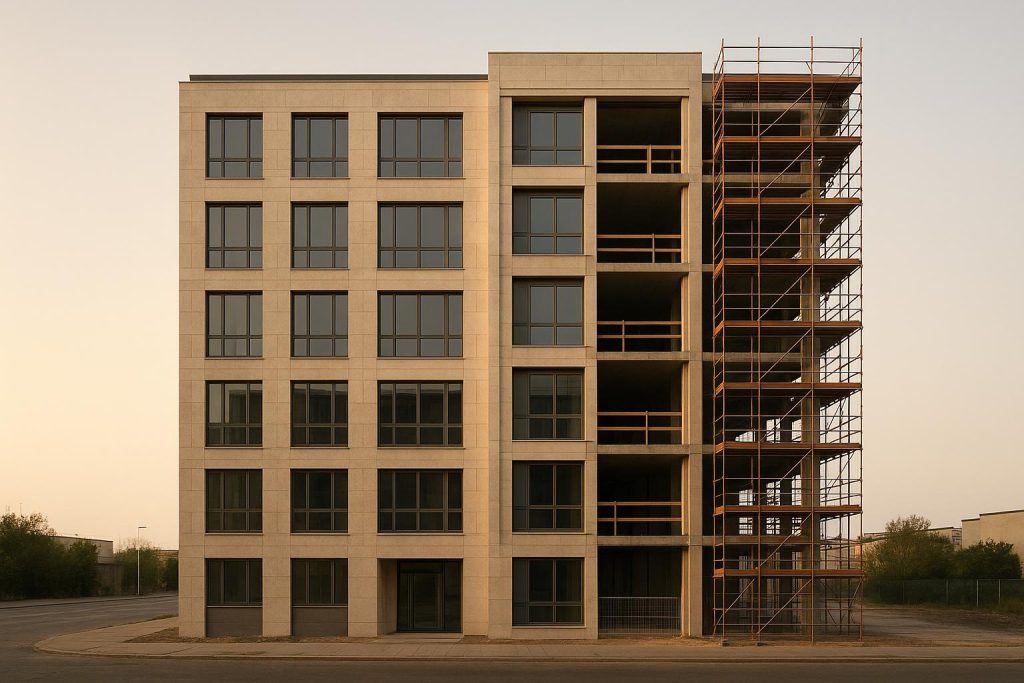
Weighing the Costs and Benefits of Renovating vs. Expanding a Luxury Rental Property
Determining whether to renovate an existing luxury rental property or expand its footprint can be a significant challenge for owners and investors. Each path presents unique opportunities to enhance a property’s value, tenant appeal, and overall performance. Before deciding on a strategy, it’s essential to consider multiple factors: budget, architectural limitations, local regulations, market demand, and long-term prospects. By fully understanding these elements, you will be better prepared to make an informed choice and maximize your property’s potential.
In this guide, we’ll explore the core considerations for both renovation and expansion, along with practical tips to help you weigh the costs, assess returns, and maintain a consistent brand experience for high-end renters.
1. Understanding the Scope of Renovations
Renovating typically involves improving the existing structure without adding square footage. This may entail upgrading interiors, modernizing building systems, or enhancing amenities. Here are some core aspects to review when planning a renovation:
- Interior Upgrades: Consider new flooring, contemporary fixtures, updated appliances, or reimagined layouts. For a luxury rental, these details often contribute significantly to perceived value and tenant satisfaction.
- Structural Repairs: Address any damage to the building’s foundation, walls, or roofing. Renovations can include ensuring that the property is up to current building codes and meets standards for efficiency and seismic resilience.
- System Improvements: Modern HVAC, plumbing, and electrical systems reduce maintenance costs and boost tenant comfort. Touchpoints like eco-friendly lighting and energy-saving appliances, for instance, can appeal to renters who value responsible development and sustainable features.
- Building Envelope Enhancements: If your property is older, installing better insulation or upgrading windows can make a world of difference for overall livability, decreasing heating and cooling expenses while increasing tenant comfort.
These improvements often come with a relatively short turnaround, especially if you can schedule work in phases between lease terms. Renovations also avoid the complexities of expanding the building footprint—such as rezoning, new permits, and community consultations—making it a popular choice for owners looking to optimize a property within its existing framework.
2. Key Considerations for Property Expansion
Compared to renovations, expansions are typically more extensive—and greater in potential impact. An expansion might extend the building outward or upward, converting unused space into additional residential units or upgraded amenities. Before committing to an expansion, here are important considerations:
- Local Zoning and Regulations: Each municipality has guidelines on how tall or wide a structure can be, as well as how many units can legally exist on a property. Conducting thorough feasibility studies is critical to ensure adherence to local codes and to assess long-term viability.
- Financial Investment: Expansion generally requires a substantial budget. Construction of new floors or wing additions takes time and worker resources. While the initial outlay may be higher than a renovation, the potential to increase rental income through extra units or premium amenity spaces can offset these costs over the long term.
- Logistical Complexity: Adding to an existing structure demands careful coordination among architects, engineers, and contractors to ensure the new addition integrates seamlessly with the original building. Maintaining tenant satisfaction during construction can be more challenging, as the disruption tends to be more extensive than a standard interior renovation.
- Market Demand: If there is strong tenant interest in larger apartments or additional amenities, you may find that expansion promises a significant competitive advantage. For instance, including new shared facilities like a coworking space, rooftop lounge, or additional parking can increase the building’s desirability in luxury segments.
If the property is situated in a high-demand area, expansion may open the door to higher returns through increased rental rates or a greater number of units. However, taking a data-driven approach and studying anticipated occupancy rates, future development plans in the neighborhood, and current tenant preference is imperative.
3. Comparing Short-Term vs. Long-Term Returns
When deciding on the right path, examining both short-term outlays and long-term value is crucial. From a short-term perspective, a renovation strategy can enhance your property relatively quickly, leading to a boost in rental income from refreshed interiors or upgraded amenities. However, expansions—if executed strategically—can deliver stronger long-term growth by adding new revenue streams (such as additional units) and significantly elevating a property’s profile. Evaluating your time horizon as an owner or investor will help guide whether short-term gains or larger-scale, longer-term returns make the most financial sense.
If you aim to keep the property in your portfolio for many years, an expansion may offer the highest eventual payoff. For owners who plan to sell sooner, a well-executed renovation that visibly elevates the property might suffice to increase its resale value and attract discerning buyers. Clear financial modeling is key: weigh the up-front capital needed, approximate rental increases or property value growth, and forecast how soon the investment can be recouped.
4. Ensuring Architectural Harmony
Whether you choose to renovate or expand, achieving cohesive design is essential. If you’re expanding a luxury rental property, the new addition should integrate seamlessly with the existing structure’s style, materials, and quality standards. For renovations, selecting modern finishes or reconfiguring layouts can keep the property competitive in a high-end market, but be mindful to maintain consistent aesthetics across all units.
Well-planned expansions often benefit from hiring architects and designers experienced with thoughtful integration. This approach helps ensure the new section doesn’t look like a disjointed add-on but rather a natural evolution of the building’s original character. High-quality finishes and purposeful design can underscore the property’s identity, particularly when appealing to tenants seeking a premium, well-connected urban lifestyle.
5. Maintaining a Consistent Brand Experience
Owners of luxury rentals often build their reputation around reliability, design excellence, and a commitment to tenant well-being. Renovations and expansions should reinforce these values rather than dilute them. For example, if your property emphasizes calm, refined aesthetics and community-minded features, any changes made during renovations or expansions should align with that approach.
This consistency is critical for retaining existing tenants and attracting new residents who value a high-end, responsible development. Modernizing units or adding communal spaces supports a sense of livability for current occupants, while showcasing that you are invested in the resident experience over the long term. Potential renters will see not only the property’s physical improvements but also your dedication to building a quality living environment.
6. Minimizing Disruption During Construction
Both renovation and expansion projects inevitably affect tenant comfort and day-to-day operations. Prolonged noise, dust, or reduced access to certain spaces can test resident patience, especially in premium accommodations. Planning carefully to minimize disruption is crucial. The following tips can help:
- Effective Scheduling: Aim to complete the most disruptive phases of construction during off-peak building hours or between tenant leases. If substantial renovations are required in individual units, scheduling them during tenant turnover is often more efficient.
- Clear Communication: Provide regular updates to residents on the project’s timeline, expected impacts, and anticipated completion dates. Sharing accurate information in advance helps manage expectations and build trust.
- Temporary Relocation Options: In certain high-end properties, it may be practical to offer short-term relocations to vacant units or partner properties if construction is expected to be very inconvenient.
With proactive planning and transparent communication, you can alleviate the strain caused by construction, maintaining a positive relationship with your current residents throughout the transition.
7. Considering Sustainability and Long-Term Value
Sustainability and energy efficiency have become core priorities in modern property updates, especially within urban markets that emphasize responsible development. Whether you’re renovating or expanding, efficient building systems and eco-friendly materials can yield substantial long-term benefits. Features such as enhanced insulation, dual-pane windows, or solar-ready rooftops not only cut operating costs but may also qualify you for local incentives or rebates.
By prioritizing resource-conscious design, you’ll be better equipped to attract tenants who seek long-term value and well-connected living solutions. Over time, a building that aligns with sustainability trends can command higher rental rates, reduce turnover, and strengthen its position within a competitive regional market.
8. Budgeting and Funding Strategies
A comprehensive budgeting strategy underpins any successful renovation or expansion project. Typically, renovations involve lower figures, but expansions can create new revenue streams, which may help secure attractive financing options. Here are a few considerations to help you plan effectively:
- Detailed Cost Estimates: Ensure you have itemized quotes for materials, labor, and professional fees. Contingencies of 10-20% are often added as a safeguard for unexpected construction challenges.
- Cash Flow Projections: Calculate the amount of time you’ll need until the renovations or new units start generating returns. This ensures you can manage debt service and maintain building operations without strain.
- Financing Options: In some cases, obtaining a construction loan or refinancing an existing mortgage can be more straightforward if projections indicate a strong post-project value. Consult with financial advisors to determine the approach best suited to your situation.
Having a realistic budget helps avoid project stalls, ensures timely completion, and fosters confidence in all stakeholders—from contractors to prospective or current tenants.
9. Choosing the Right Approach for Your Property
The decision to renovate or expand ultimately hinges on your building’s unique condition, market demand, and your short- to long-term objectives. Here is a quick summary of strategic questions to ask yourself:
- What are the building’s strengths and limitations? If the structure is in good shape but lacks modern amenities, a targeted renovation might suffice. If you have ample space and growing market demand, an expansion could yield higher returns.
- Do local zoning and regulatory conditions permit expansion? Without the correct municipal support, expansion can meet significant roadblocks. A renovation may be more realistic in strict zoning areas.
- How long do you plan to hold the property? Property owners with longer horizons may benefit from expansions and new revenue potential, whereas those planning to sell in the near term might prefer a simpler renovation that boosts market value quickly.
By clarifying your long-term vision, you can select the approach best suited to your overall financial and operational strategy. Both renovations and expansions can elevate a building’s value and align with a luxury brand experience—if done thoughtfully.
10. Exploring Examples and Next Steps
To see how real estate improvements can integrate seamlessly with neighborhoods, you might explore project portfolios that highlight thoughtful renovations or expansions. This can provide insight into design styles, cost considerations, and best practices for modernizing or enlarging a property. Thorough research will go a long way in helping you conclude whether an incremental renovation or a more ambitious expansion plan is right for your building and its high-end rental audience.
When you are ready to move forward, it’s advisable to work closely with architects, construction managers, and consultants who can guide you on both regulatory compliance and design execution. By balancing aesthetics, functionality, and budget constraints, you can create a space that resonates with discerning tenants and stands the test of time. Whether you opt for a targeted renovation or expand to accommodate new demand, the key is to maintain a tenant-focused, community-driven approach to real estate development, ultimately creating a home that people are proud to inhabit.
Choosing the right path signals your commitment to consistent quality and long-term value. By combining clear research, planning, and execution, you can enhance your luxury rental property to benefit both current residents and future generations of tenants.
