

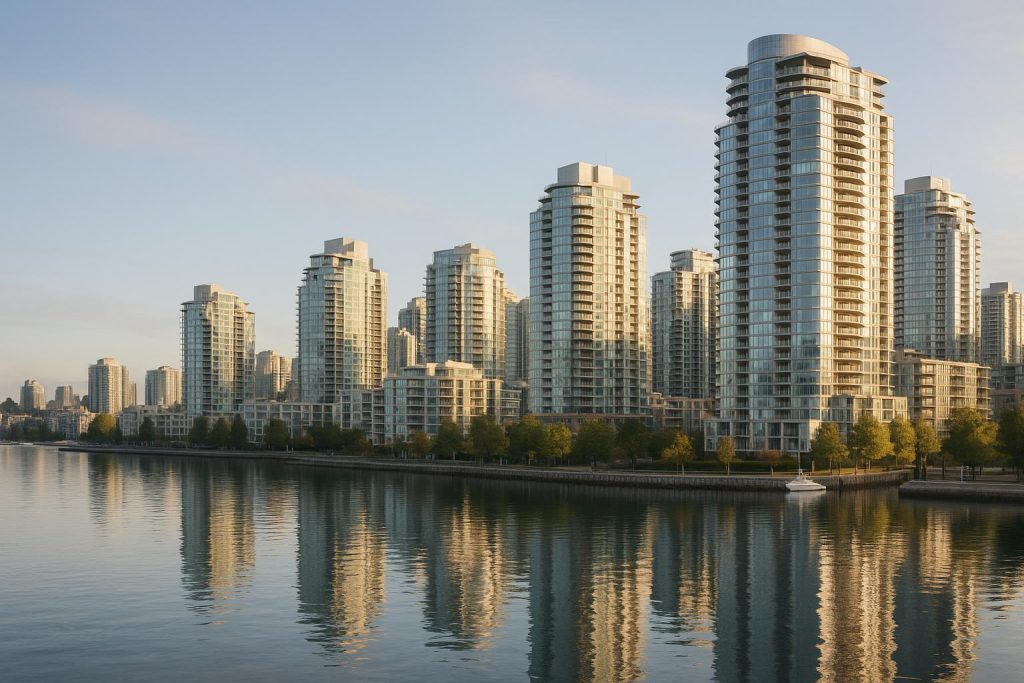
Condo Price Patterns and Insights in Vancouver
Vancouver has long held a reputation for its high real estate costs, with condo prices frequently making headlines both locally and nationally. Understanding the trends that shape Vancouver’s condo market requires looking beyond short-term fluctuations to factors like supply constraints, local amenities, and future development plans. Whether you’re a first-time buyer, a long-term investor, or someone simply curious about what drives the cost of condos in this city, it’s worth exploring how the market has evolved, what contributes to its unique pricing structure, and what the coming years might hold.
1. Historical Snapshot: Vancouver’s Real Estate Context
Historically, Vancouver’s property market has been influenced by a blend of limited land availability, robust local amenities, and steady buyer demand. The city’s geographic constraints—bounded by the ocean to the west and the North Shore Mountains—leave little room for sprawl. This creates a high-density environment, especially in popular neighborhoods, and means that multi-family housing, particularly condominiums, has become a critical part of the urban fabric.
Going back a few decades, condos were considered a more affordable way to enter a market otherwise dominated by single-family homes. As Vancouver started to grow into a global city, more people migrated here for its scenic location, strong economy, and livable environment. Over time, the city’s rapid rise in real estate prices garnered worldwide attention, pushing downtown and even surrounding districts toward higher density housing solutions. Today, those pressing needs for space, combined with a strong preference for urban living, keep condominiums at the center of housing conversations.
2. Key Drivers of Condo Prices in Vancouver
The broad trends in Vancouver’s condo market are driven by a combination of local and external factors. While interest rates and economic policy decisions at the provincial and national levels play a role, there are some local variables that especially influence condo price points in the city:
- Supply Constraints: Vancouver’s geography, restrictive land-use policies in some areas, and a growing population together limit the supply of available housing. When demand outpaces the ability to build, prices often stay elevated.
- Desirable Lifestyle and Amenities: Clean air, access to beaches and parks, and a vibrant cultural scene make Vancouver a magnet for residents who value quality of life. Condos located near well-connected transit routes, modern shopping facilities, and other essential amenities can command particularly high prices.
- Investor Interest: Some segments of the condo market see notable investment activity from both domestic and international buyers. Rental demand, especially in neighborhoods close to transit hubs or universities, can make Vancouver condos appealing from a revenue perspective.
- Regional Economic Conditions: The health of Metro Vancouver’s job market, especially in technology, film, and tourism, can put upward pressure on condo prices. When new job opportunities arise, more professionals move to the city, creating additional demand for housing.
- Government Interventions: Regulations such as foreign buyer taxes, vacancy taxes, or mortgage stress tests can temper how rapidly prices move upward. These interventions sometimes cool the market, but they often only slow growth rather than reduce prices significantly over the long run.
3. Short-Term Fluctuations vs. Long-Term Growth
The Vancouver condo market, while known for a long streak of price increases, is not immune to short-term corrections. Periods of economic uncertainty—like global recessions or shifts in consumer confidence—can temporarily stall or slightly reverse price appreciation. Over the last decade, signs of a market cooldown occasionally appeared, often followed by a rebound. This cyclical pattern confirms that while dips can happen, the long-term trajectory has mostly trended upward. Prospective buyers and investors often pay attention to these fluctuations to identify windows of opportunity, but those investing with a longer horizon usually see the upward slope resume.
Such fluctuations are also closely watched by would-be condo sellers. Sellers who need to move quickly in a slower market must be conscious of their listing price and may have to adjust expectations. Alternatively, those not pressed for time can often wait out a temporary slump and list their condo for a higher price once the market rebounds.
4. Location Variations Across the Metro Region
Vancouver’s condo market isn’t uniform. Different neighborhoods can have significantly different pricing brackets, influenced frequently by location-specific features. Downtown Vancouver and districts like Yaletown or Coal Harbour, known for waterfront views and proximity to commerce, maintain some of the highest condo price per square foot in Canada. Emerging districts experiencing revitalization, including sections of East Vancouver or some suburbs, can be relatively more affordable but have also seen substantial price growth in recent years.
Looking beyond city limits to adjacent regions like Burnaby, Richmond, or Surrey, condos can still be quite costly when compared to many other Canadian markets, though they may appear more affordable than Vancouver’s downtown core. Interestingly, these suburban areas are increasingly drawing condo buyers who seek strong transit connections alongside slightly lower pricing.
5. Amenities and Building Age
A condo’s age, building quality, and on-site amenities can cause significant pricing differences, even within the same neighborhood. Newer developments often incorporate modern architecture, energy-efficient features, and a variety of conveniences, like fitness centers and shared workspaces. These elements tend to push unit prices higher. Meanwhile, older buildings can remain competitively priced, especially if they require updates or reflect an outdated design.
However, well-managed, older condominiums—a common sight in Vancouver—can still hold significant value. Regular maintenance, well-funded strata reserves, and thoughtful upgrades help older buildings stay competitive by offering homeowners predictable fees and a comfortable living experience. Some older units even outshine certain newer builds in terms of square footage, giving buyers more living space in neighborhoods that might otherwise be too costly.
6. Buying vs. Renting: What to Consider
While Vancouver remains famous for condo ownership, many residents weigh the pros and cons of buying versus renting before deciding which path best fits their lifestyle. Depending on your financial goals and personal situation, renting can be a valid alternative, especially in a market where condo prices are often out of reach for first-time buyers. Renting also provides flexibility for people who aren’t ready to commit to a long-term mortgage or are uncertain about their job location in the coming years.
If you prefer professionally managed, purpose-built rental housing in Vancouver or the broader region, you may find that many new construction projects offer desirable amenities, central locations, and reliable upkeep. For someone planning on renting while evaluating a future condo purchase, you can also explore developments that meet modern standards for comfort and long-term value. It can be beneficial to experience a particular neighborhood as a renter first, to see if it truly aligns with your daily needs and preferences.
For anyone interested in exploring well-managed rental communities, consider looking at local development firms that focus on building high-quality, purpose-built rental properties. They often have a portfolio of new or updated rental options, reflecting an emphasis on design, livability, and long-term maintenance. View Available Rentals is a great general step if you’re aiming for a more immediate housing option without the financial commitment that purchasing a condo may involve.
7. Impact of Interest Rates and Mortgage Rules
The cost of borrowing is a major factor influencing Vancouver condo prices. When interest rates are low, potential homeowners can afford larger mortgages, which can intensify competition for available condos and drive prices higher. Conversely, rising interest rates often cool demand, as potential buyers face larger monthly mortgage payments and may decide to wait or look for smaller units.
Over the past decade, stricter mortgage lending rules and measures such as the mortgage stress test aimed to ensure buyers do not overextend themselves financially. While these rules did affect how much buyers could qualify for, the fundamental demand for Vancouver real estate, along with the region’s supply constraints, still kept condo prices relatively high.
8. Looking Ahead: Future Market Dynamics
Predicting the future of Vancouver condo prices is both an art and a science, influenced by evolving economic conditions, shifts in buyer sentiment, and government intervention. Experts commonly track the following elements to gauge short- and long-term market prospects:
- Evolving Work Patterns: With remote and hybrid work models becoming more popular, some professionals may choose to live outside central Vancouver, affecting demand in certain neighborhoods. However, the desire to be within easy reach of cultural, social, and business hubs will likely keep central condo prices robust.
- New Construction Projects: The development pipeline for new condo buildings can increase supply, but developers also weigh the cost of land acquisition, labor expenses, and municipal approval timelines. If local authorities and the private sector collaborate to add more multi-family options, it might help moderate price surges over time.
- Demographics and Migration: Immigration and interprovincial migration remain major drivers of housing demand. Many newcomers choose Vancouver for its opportunities and quality of life. Coupled with an existing shortage of housing, a steady influx of new residents often points to continued upward pressure on condo prices.
- Infrastructure and Public Transit: Infrastructure expansions, such as new transit lines or the redevelopment of key hubs, can raise property values in previously underappreciated corridors. Conversely, saturated markets with high inventory might balance these surges to some degree.
- Rental Market Strength: High condo prices can push more people into renting, increasing the profitability for investors who hold condominium units. This scenario might encourage further investment in the condo sector, continuing the cycle of strong demand. Purpose-built rental communities also help meet housing needs, potentially offering a slight easing of condo price pressure if renters find what they need in dedicated rental developments.
9. Strategies for Potential Buyers
Anyone hoping to purchase a condo in Vancouver should keep a few strategies in mind. First, define your priorities clearly: Do you want to be in a walkable neighborhood close to shops and parks, or is a larger living space your main objective? Setting realistic goals for square footage, location, and building amenities can help narrow your condo search, especially in a competitive marketplace.
Second, researching and comparing price trends among different neighborhoods can help you target areas where your budget goes further. It’s also important to keep an eye on newly released units in pre-sale developments, which can sometimes offer introductory pricing. However, consider the timelines involved, as pre-sale units may take years to complete, and the final mortgage qualification occurs once the building is near occupancy.
Third, if you’re flexible about your move-in date, it could be beneficial to wait for short-term fluctuations. Sometimes a temporary market dip occurs due to seasonal factors or broader economic shifts, allowing savvy buyers to attain a unit at a more favorable price. Working with a reputable real estate professional can provide additional guidance on current market conditions, ensuring you make an informed decision.
10. Comparing Condos to Other Housing Options
Condominiums form only one segment of Vancouver’s overall housing market, and it can be helpful to see what else is out there. Single-family homes, while often offering more privacy and land, tend to be considerably more expensive within the city. Townhomes might present a middle-ground option, providing multiple levels and a bit more room than standard condo units, though townhome inventory can be limited and prices can still be challenging for first-time buyers.
On the other hand, purpose-built rental housing has emerged as a sector that addresses housing needs without the commitment of property ownership. This can be an attractive choice for individuals prioritizing flexibility or for those who want to live in a prime neighborhood without the longer-term mortgage obligations. The supply of quality rental properties in Vancouver has been growing in recent years, and you can find new builds that emphasize livability and community integration, aligning well with the city’s emphasis on responsible development.
11. Gauging Market Health Through Data and Professional Advice
If you’re serious about monitoring condo prices, it’s beneficial to track reliable third-party reports, official statistics, and real estate boards’ market updates. General trends in average cost per square foot, days on market, and sales volume can reveal whether the market is leaning toward sellers or buyers at any given time.
Professional advisors, ranging from real estate agents to mortgage specialists, can help you understand complex regulations, loan pre-approvals, and your overall financial readiness. For prospective condo investors, it’s especially important to conduct thorough due diligence—factoring in strata fees, property taxes, and potential assessments for building maintenance.
12. The Role of Purpose-Built Developments
Condo ownership isn’t always the immediate goal. Some development companies in Metro Vancouver concentrate on constructing multi-family buildings exclusively for rental purposes, known as purpose-built rentals. These communities can offer consistently high standards of maintenance and reliable landlord services, elements that help ease some of the uncertainties associated with renting. In many cases, purpose-built rentals integrate convenient amenities, well-connected transit access, and thoughtfully designed living spaces. They can suit individuals who greatly value stability in their housing arrangements while still enjoying the flexibility that renting provides.
Moreover, the positive community environment these rentals tend to foster is a testament to modern development principles: better planning, long-term care, and openness to evolving neighborhood needs. If you’re in Vancouver and looking for a place that balances high-quality design with dedicated rental services, exploring this sector might be worth your time.
13. Final Thoughts on Vancouver’s Condo Trends
The overarching narrative for Vancouver’s condo market is one of high demand and relatively constrained supply, set within a city that attracts people from across the globe. While regulations and economic features can stabilize or slightly soften prices at times, they rarely reverse the overall pattern of steady, long-term appreciation. If you’re actively looking to buy, staying informed, evaluating market data, and seeking professional input can help you make a considered choice. If you decide that ownership isn’t for you just yet, Vancouver’s rental landscape, which has been steadily improving in terms of quality and availability, can provide an alternative path.
Ultimately, condos in Vancouver represent more than just a form of housing: they demonstrate how communities grow upward when limited by geography and strong demand. By recognizing how location, amenities, building quality, and regulatory measures factor into the bigger picture, you can better understand where condo prices stand today and how they might evolve.
If you’re exploring possibilities, remember that there’s more than one route to finding a home here. Depending on your personal circumstances and long-term goals, you can research new condo projects, keep track of resale market conditions, or consider a purpose-built rental. Whichever route you choose, learning about Vancouver’s real estate market will empower you to navigate the shifting landscape with clarity and confidence.
