

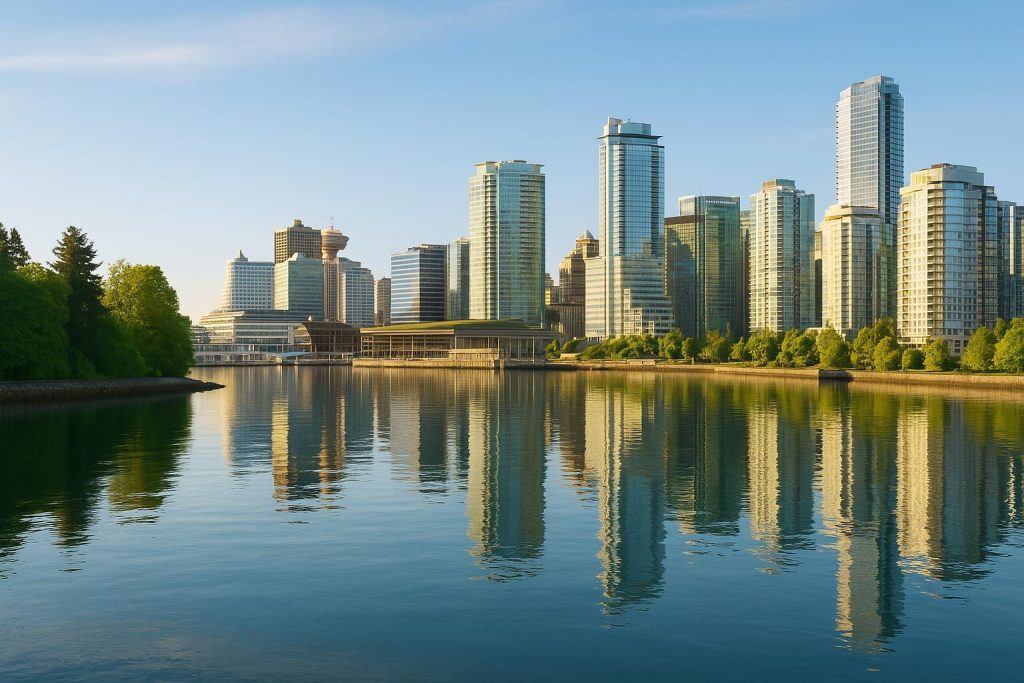
Examining Vancouver's High Housing Market
Vancouver’s housing market is often recognized for its soaring prices and competitive demand. Many people wonder how the city reached this point, and the truth is that there are multiple factors at play. From limited land availability and local regulations to long-term investment appeal, several dynamics converge to keep prices elevated. By looking at these influences, you can gain a clearer picture of how Vancouver’s real estate landscape has evolved—and why it remains such a vital and sought-after market.
Geographical Constraints and Limited Land Supply
Vancouver is uniquely positioned between the Burrard Inlet, the Coast Mountains, and the Strait of Georgia. This scenic location is one of the city’s biggest draws, offering breathtaking water and mountain views. Yet, it also restricts buildable space. Because of Vancouver’s direct proximity to these natural borders, the city faces narrower options for new construction. In other words, land is finite here, and every available parcel becomes more valuable as demand increases.
Local zoning regulations add another layer to this equation. While they serve to protect certain areas and maintain the city’s character, these rules can limit how many multi-family buildings or mixed-use developments can be approved in a given neighbourhood. This approach preserves Vancouver’s appeal but also keeps the housing supply tight.
If you’re curious about the specific permits required for constructing new apartment buildings in Vancouver, you might find additional insights in Are there specific permits required for constructing new apartment buildings in Vancouver?. A deeper look at zoning, approvals, and local policies can reveal why developers sometimes face lengthy timelines, indirectly affecting prices.
High Demand for Residence and Investment
Significant demand for housing in Vancouver has been fueled by robust immigration, a strong job market, and the general appeal of coastal living. People around the world see the city as a stable, thriving place to settle. Employers—particularly in technology, film, and diverse service sectors—also draw new talent, which further expands the population. As more households look for secure rental living or home ownership, competition grows.
Beyond people seeking homes for personal use, many also view Vancouver’s real estate market as a long-term investment opportunity. Buyers both local and international are drawn to the city’s historic pattern of rising property values. Some prospective owners, for example, plan to rent out these properties for supplementary income. Purpose-built, high-quality rentals are in short supply, making them especially coveted. For a closer look at how newly built rentals in particular fit into this picture, you can explore Are newly built rental apartments often more expensive in Vancouver?. These insights reveal how new builds can offer modern amenities and thoughtful design yet sometimes come with higher price tags, reflecting the city’s broader housing trends.
International Interest and Foreign Investment
Vancouver’s global reputation is undeniably strong. Thanks to clean air, safety, and a diverse population, it has established itself as a cosmopolitan hub on the West Coast of Canada. Consequently, investors from across the globe frequently include Vancouver in their real estate portfolios. The city is seen as a safe and resilient location for property investment, which tends to drive up competition for available homes.
Although some people question whether foreign ownership is still a key driver of Vancouver’s skyrocketing housing values, it remains an influential factor. Local policies—like the foreign-buyers tax—aim to moderate this phenomenon. Yet, the perception of Vancouver as a global “safe haven” continues to attract outside buyers, contributing to the overall demand that keeps prices high.
The Allure of Quality Housing and New Builds
In bustling urban areas, demand for well-designed and modern spaces is particularly high. Vancouver’s reputation for architectural vision, thoughtful design, and sustainable building practices raises the bar for what residents expect. This quest for quality drives up the cost of materials, labour, and final sale or rental prices. At the same time, it elevates the standard of living for many, ensuring that newly constructed or renovated homes meet a higher baseline of livability.
Developers in the city often embrace innovative design principles, focusing on aspects such as energy efficiency, user-friendly amenities, and inclusive public spaces. Such considerations can boost construction costs. Yet, these enhancements also add real value for residents, from improved everyday living experiences to lower utility bills over the long term. Modern designs frequently emphasize community spaces, which encourage social connections and reflect Vancouver’s commitment to people-first development.
If you want to understand what these upgrades look like in practice, visit the Projects section on our website. This page highlights developments crafted with an emphasis on longevity, sustainability, and the unique attributes that make each building a reliable housing option for renters and buyers alike.
Stable Market Appeal and Long-Term Value
For many investors, Vancouver’s housing market doesn’t just represent a place to live—it signals a long-term strategy. Because the region has shown resilience, even during economic downturns, many buyers see local property as an investment that will retain and often grow its value. This perspective encourages owners to hold onto properties and reduces the frequency of new listings entering the market.
Moreover, historically low interest rates over the past few decades spurred more people to enter the housing market. Although rates have fluctuated, the notion that borrowing is relatively accessible contributed to rising home prices. Combine this with continued population growth, and you have a recipe for strong competition over limited real estate. For a deeper exploration into how these factors relate to new construction purchases, see How to avoid GST on new homes in BC?. Understanding tax obligations and potential incentives can be crucial for those weighing the financial pros and cons of buying in a high-demand market.
Sustainability and Responsible Development
Another aspect that influences costs is the push toward sustainable building methods. Vancouver has a reputation for environmental stewardship, so new developments often incorporate advanced energy-efficient systems, higher-quality insulation, and water-conservation features. While these solutions aim to reduce carbon footprints and ongoing utility costs, they can raise initial construction budgets.
Most residents support these efforts. A focus on environmentally friendly designs aligns with broader city goals and enhances property values in the long run. Many purposely built rentals now emphasize solar panels, green roofing, and efficient temperature controls. As people become more conscious of their environmental footprint, demand grows for these features—and prices often follow.
This theme extends to overall construction strategies, from site preparation to material sourcing. Developers who align with Vancouver’s sustainability directives typically find that the up-front costs pay off over a building’s lifetime, benefiting both renters and the community.
Community-Oriented Developments
A defining characteristic of many Vancouver developments is their intentional focus on community living. Mixed-use buildings, for instance, often include retail spaces or shared amenities. These places serve as communal areas that bring together residents and businesses, making daily life more convenient. Developers recognize that building a sense of neighborhood and connection translates into stronger long-term appeal.
Such developments take time to plan and deliver because each project must fit harmoniously within the larger urban fabric. In Vancouver, there is real attention paid to how new buildings integrate with existing facilities like public transport, parks, and schools. This commitment to responsible development ensures that new structures do more than just occupy space—they enrich the overall community. You can read more about the benefits and features of modern apartment properties in What amenities should be there in an apartment building?.
Rental Market Realities
Not everyone in Vancouver is looking to buy. The rental market is equally competitive, especially in neighborhoods with easy access to transit and job centers. Because of the high price of homes, many young professionals and new arrivals turn to rental living as a flexible and more accessible option. This adds pressure to the supply of rental units, driving prices upward.
Purpose-built rental properties are an essential piece of the city’s housing profile. They offer well-managed, long-term housing solutions that emphasize livability and shared resources. There are, however, fewer of these dedicated buildings than one might expect. This shortfall can lead to extended waitlists and competition, particularly in desirable neighborhoods. With more people migrating each year, the challenge of securing a comfortable and modern rental unit can be significant.
Government Initiatives and Their Impact
To counteract affordability concerns, government bodies at municipal and provincial levels have introduced measures like taxes on empty homes, speculation taxes, and more flexible zoning in some areas. These initiatives aim to encourage owners to rent out vacant properties or develop new housing that meets local needs. While such policies show promise, they do not always immediately reduce prices. Instead, they tend to affect the market gradually, shaping supply and demand over a longer period.
For potential buyers thinking about new developments, tax reforms and one-time incentives might offer small relief in an otherwise high-priced environment. If you’re considering investments in new construction, you can find helpful cost-saving tips in Are there any cost-saving incentives for purchasing new developments in Vancouver?. Integrating such strategies can help offset some of the upfront expenses associated with property ownership in this city.
Neighbourhood Characteristics and Pricing Variations
Though Vancouver’s real estate is consistently high when averaged across the region, pricing can vary widely by neighbourhood. Areas like Kitsilano and Downtown typically demand premium rates due to their proximity to beaches, business hubs, and entertainment districts. Meanwhile, emerging areas may offer relative affordability but still reflect the broader citywide trend of incremental value increases over time.
Neighbourhood choice also depends on individual priorities—some prefer well-connected communities with extensive transit links, while others are drawn to quieter areas with green spaces. In many cases, these preferences influence building designs, from the inclusion of communal rooftop gardens to the strategic placement of ground-level commercial services. If you’re exploring where the hottest real estate markets are or trying to gauge which Vancouver neighbourhoods are seeing the most new construction projects, you may find a helpful overview in Which Vancouver neighbourhoods are seeing the most new construction projects?.
Balancing Opportunity and Challenge
Vancouver’s housing market is a study in contrasts. The city’s natural beauty, cultural vibrancy, and strong economy make it a highly desirable place to live. At the same time, limited land availability, strict zoning rules, and consistent demand keep prices on the rise. Individuals considering buying or renting in Vancouver often must balance the appeal of living in a world-class city with the reality of higher costs and competitiveness.
For long-term investors and families alike, the prospective rewards can still be substantial. Vancouver’s commitment to responsible development, attention to quality construction, and forward-thinking approach to sustainability mean that properties often hold—if not improve—their resale and rental value over time. Yet, deciding when to enter the market or where to settle often involves careful research, financial planning, or the support of a trusted real estate professional.
Working Toward Future Solutions
Policies that encourage denser living, streamline building approvals, and support purpose-built, inclusive developments may help ease some of the pressures. Innovations in technology and architecture also hold promise for more efficiently designed homes that maximize space and comfort. By combining these approaches with municipal leadership and community feedback, the region can continue to develop housing options that meet Vancouver’s growing needs.
Overall, the task is to balance livability, affordability, and the city’s strong environmental goals. With thoughtful planning and responsible partnerships, Vancouver’s housing future can remain both attractive and viable. Developers who respect local communities, prioritize quality, and aim for long-term value play an essential role in guiding Vancouver’s continued growth.
Exploring the Path Ahead
Whether you’re considering purchasing a new condo, renting a newly built apartment, or simply curious about why the market remains so robust, understanding these forces is key to making informed decisions. Vancouver’s housing landscape is shaped by an intricate mix of world-class appeal, limited supply, and stable long-term investment prospects. Each factor intertwines with the others, forming an environment that continues to hold significant global interest.
To see how new builds are responding to today’s biggest challenges—like design efficiency, sustainability, and community integration—feel free to explore our Projects. There, you will find examples of developments created with purpose and care. Discover how responsible development practices and modern amenities can exist side by side, providing spaces that benefit residents and the broader city. By staying informed, you can better navigate Vancouver’s high housing market and find the solutions that align most closely with your goals.
