

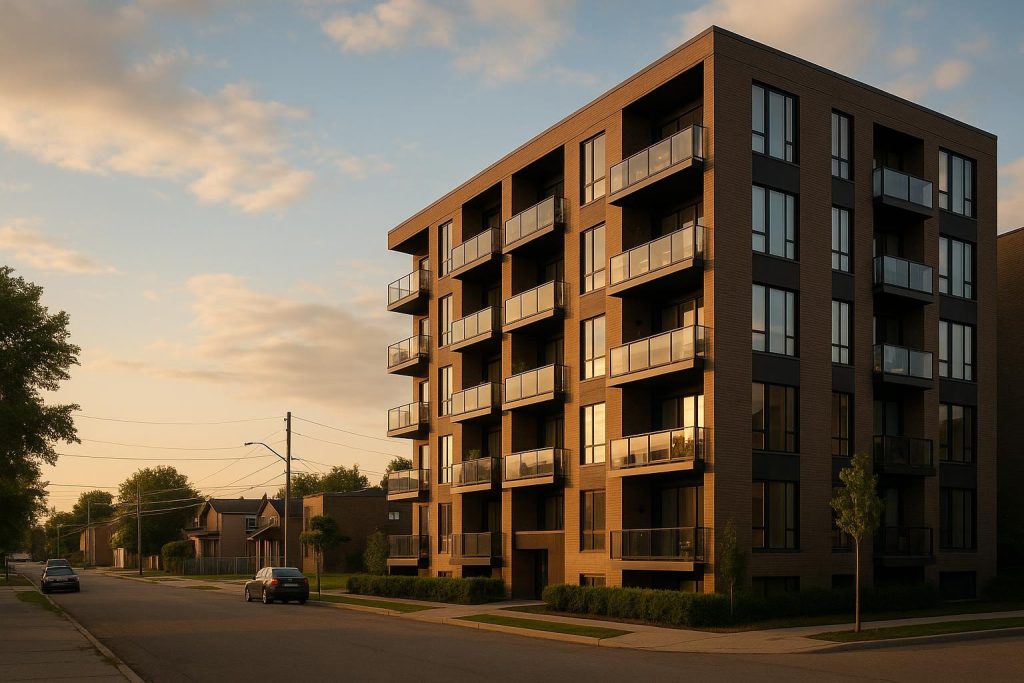
The Reality of Exclusive Living: Central Hubs Versus Emerging Neighborhoods
In discussions about exclusive developments and upscale living, many people imagine towering penthouses at the heart of a city’s downtown core. These settings often evoke images of modern architecture, skyline views, a bustling cultural scene, and access to prestigious amenities. While central areas have historically served as rallying points for high-end living, the scope of exclusivity has expanded. More and more, discerning home-seekers and investors find exclusive opportunities in up-and-coming corners of the city, demonstrating that premier living experiences can indeed exist outside established urban centers.
Central City Cores: The Traditional Symbols of Prestige
Central districts have long been synonymous with convenience, culture, and class. From historic downtown streets to sought-after commercial hubs, these areas typically hold a special place in the imagination of anyone looking for a refined living space. Many city centers benefit from a rich heritage that has matured over generations. Historic architecture, established institutions, and robust transit networks frequently define these locales. For those seeking immediate accessibility to business districts, nightlife, and fine dining, the city center can feel irreplaceable.
Additionally, centralized areas often provide a high concentration of luxury services and amenities. Upscale boutiques, art galleries, premium fitness clubs, and gourmet restaurants can be found within blocks, making everyday life a seamless blend of convenience and indulgence. This backdrop can be especially appealing to working professionals eager to live near their place of employment, as well as to retirees looking to stay connected to the pulse of the city.
Still, even in this environment, exclusivity is about more than glitz. High-end living in a central area typically showcases meticulous planning, from well-appointed lobby spaces to carefully curated communal facilities. Designing for a discerning clientele means the architecture, interior design, and building amenities must blend sophistication with real-world functionality. Prospective residents often look for thoughtful but unobtrusive service, energy-efficient building systems, well-maintained facilities, and effortless connectivity to everything the city has to offer.
Emerging Neighborhoods: Beyond the Established Addresses
Although central hubs hold status, it is a mistake to think all exclusive developments exist solely in these prime locations. Across many cities, new neighborhoods are blossoming with vibrant, modern, and often surprisingly upscale developments. These “emerging areas” can possess a dynamic charm, often driven by forward-looking investment and collaborative urban planning efforts.
One reason emerging neighborhoods command attention is their renewed focus on sustainability and modern design features. As new projects break ground, builders and planners concentrate on addressing community needs from the start. This may include sustainable materials, energy-efficient systems, and multi-use spaces designed with day-to-day livability in mind. Green rooftops, pedestrian-friendly plazas, and pocket parks often become common sights. As a result, living in an emerging district can grant residents a sense of being part of a visionary approach. People who choose these areas appreciate shaping, rather than following, the next wave of urban development.
Emerging neighborhoods also tend to foster a unique cultural atmosphere. When you move into a developing area, you often find carefully curated cafes featuring local art, pop-up retail spaces with items you can’t find anywhere else, and a sense of discovery that’s harder to come by in well-established city cores. At the same time, local governments often invest in infrastructures—like improved streetscapes, upgraded transit, and dedicated bike lanes—to encourage both sustainable growth and a high quality of life. The result is a mix of up-to-date amenities and a strong sense of place, all while maintaining a comparatively more relaxed pace than the city center might offer.
Quality Over Address: Redefining Exclusivity
While exclusivity once hinged on the attractiveness of a central postal code, today’s market values are more about design excellence, community cohesion, and quality of life. Whether downtown or in a newly revitalized area, a living space is considered “exclusive” when it meets high standards for comfort, sustainability, and service. Architects and planners strive to create environments that enrich residents’ lives day to day. This can include integrating smart-home technology, ensuring thoughtful layouts with optimal natural light, and providing spaces that encourage social connection without sacrificing privacy.
A prime example is how some developments feature shared amenities like rooftop gardens, interior courtyards, or community lounges that allow neighbors to foster meaningful bonds. For a more private experience, top-tier gyms, lounge areas, and coworking spaces might be available only to residents. Such amenities cultivate a sense of belonging. They also reflect the fact that exclusivity is no longer about separation from neighbors, but rather about fostering a refined yet welcoming environment.
Further redefining exclusive living is the prioritization of well-connected designs. A truly modern neighborhood integrates safe sidewalks, reliable public transport, and dedicated bike routes. This helps residents take part in a broader community, while also having quick access to their city’s best cultural and recreational experiences. The emphasis on walkability, convenient shopping, and local parks means that a development in an up-and-coming neighborhood can feel just as integrated—and in certain cases, more forward-thinking—than a classic downtown tower.
Investment Opportunities in Growing Communities
Emerging neighborhoods are known for their strong potential in real estate investment. Some buyers or renters who are priced out of prime downtown areas can still gain access to an exceptional living experience by opting for a less saturated community. Meanwhile, savvy investors see these districts as prospects for long-term gains. A property in a transitioning locale can appreciate in value as the neighborhood flourishes. New shops, restaurants, and public spaces typically bolster a sense of identity and drive enhanced demand.
Still, individuals interested in real estate should consider how design and planning decisions affect long-term value. Mixed-use projects with a well-balanced approach to residential, commercial, and recreational needs tend to perform well because they create a destination for both everyday life and leisure. Part of the allure is in building healthy ecosystems where people can work, shop, and live in close proximity. If you’d like to learn more about whether investing in exclusive properties is a good long-term strategy, consider exploring our sibling FAQ related to mixed-use developments. It discusses how purposeful integration of residential and commercial spaces can deliver steady returns for investors while enriching the broader neighborhood.
Designing for the Future: Thoughtful Urban Planning
Whether in the heart of the city or on the edges of a developing community, thoughtful urban planning has become a hallmark of exclusive developments. Instead of simply erecting a luxurious building with no regard for surroundings, responsible developers position projects so they enhance the greater neighborhood. This may include providing new pedestrian walkways, adding public art displays, or encouraging sustainable living through eco-friendly technology.
Communities designed with people in mind also often feature design refinements that prioritize well-being. Extensive use of natural light, robust air filtration systems, and energy-saving materials merge aesthetics with functionality. Public squares, green roofs, or communal gardens might invite neighbors to connect. If you’re curious about the role of architecture in building exclusive, people-oriented environments, our sibling FAQ on thoughtful architecture can deepen your insights.
It’s important to remember that city planners, architects, and developers often collaborate closely to ensure the finished product meets local needs and enriches the environment. Whether building a downtown tower or an intimate complex in a quieter district, professionals who value a holistic approach emphasize integrated amenities, walkability, and lasting quality. This integrated approach helps maintain a consistent standard of exclusivity across diverse neighborhoods.
What to Consider When Choosing Your Ideal Exclusive Space
Those exploring their next move or investment might feel torn between a central location and a budding district. Understanding a few key elements can help simplify the decision:
- Accessibility: Consider your lifestyle, commuting patterns, and day-to-day needs. If you crave seamless transit options and frequent cultural outings, a city center may be ideal. If you enjoy quieter streets and a pioneering energy, seeking out new growth areas could be more appealing.
- Community Vibe: Neither option is inherently more “exclusive” than the other. The question is whether you prefer the established traditions of a storied district or the evolving narratives of a new scene. Some neighborhoods are known for their bustling nightlife, while others cultivate a more tranquil ambiance with parks and community-led events.
- Amenities and Services: Luxury developments stand out by offering high-quality features, from state-of-the-art gyms to meticulously landscaped outdoor areas. Scrutinize what an emerging neighborhood may present—sometimes these spaces provide surprisingly advanced amenities combined with a fresh sense of possibility.
- Long-term Outlook: Look into municipal plans for transportation upgrades, public building initiatives, and future zoning developments. These factors signal growth potential and could influence your living experience or investment returns.
If you’re curious about different property types that cater to exclusive lifestyles, explore our sibling FAQ on condo developments versus larger complexes. It examines the variety of building formats that can support a high-end community, further illustrating that exclusivity comes in many forms, not just a single architectural style or location.
A Balanced Approach to Exclusive Living
In reality, exclusive real estate developments are not defined by whether they are in the most historic part of town or on the edge of an emerging district. Instead, the defining traits revolve around careful design, investment in quality, and an alignment with community values. In either scenario, those seeking a premium living experience can find what they want if they look beyond the surface level.
Being open to areas beyond the perceived “center” can lead you to a place with the comforts of upscale design, plus a flourishing cultural or social fabric. From small-scale innovations in multi-family living to larger projects that incorporate public spaces, each environment can offer its own spin on exclusivity. If you’d like to begin your own search for high-end rentals in vibrant neighborhoods, consider reviewing our sibling FAQ on locating upscale rentals. It offers insights into finding well-connected, thoughtfully planned communities that balance lifestyle and convenience.
Real-World Examples and Practical Steps
At Vittori Developments, we’ve seen firsthand how exclusivity and comfort can coincide in all sorts of environments. By placing emphasis on functional design, architectural detail, and cohesive integration with the surrounding area, builders can create residences that resonate with a broad range of lifestyles. Some of the emerging neighborhoods where we’ve developed properties incorporate new forms of green construction, making the local environment healthier.
If you’d like to see real examples of innovative housing that marries modern design with community engagement, feel free to explore our projects. We highlight how conscientious design and planning can transform a once-overlooked area into a sought-after address. This ethos reflects our belief that exclusivity stems from quality, not just from location, and that strong neighborhood ties can thrive anywhere thoughtful architecture, sustainability, and local character come together.
No matter your preference, staying informed will always be your best starting point. Learning about the aspirations of local leadership, developer commitments, and the voices of current residents can provide valuable clues about what life may be like on a day-to-day basis. Ask questions about property management standards, shared amenities, and how the building embraces community needs. If you want additional guidance on the process or details like lease commitments, our sibling FAQ on lease flexibility offers insight into how exclusive rental communities can accommodate different lifestyles.
Moving Forward with Confidence
The notion that exclusivity is purely tied to prime downtown real estate no longer reflects the reality of contemporary living. Emerging districts are proving that progressive design and community-driven amenities can create desirable, upscale residences every bit as appealing as those in historical centers. In both settings, exclusivity is defined by a commitment to quality, comfort, and livability. You can find enclaves of refinement across a broad spectrum of neighborhoods, each with its own energy, distinct character, and opportunities for connection.
When you evaluate your own journey—to buy, to rent, or invest—it’s essential to keep your personal criteria front and center. Perhaps a shorter commute is a top priority, or you might be drawn to an area’s commitment to sustainable development and forward-thinking design. Every neighborhood has something unique to offer, and the key to discovering an exclusive lifestyle is knowing what matters most to you. Buildings that emphasize well-connected, people-focused designs will typically stand the test of time in terms of both value and resident satisfaction. Whether in the heart of a bustling city or the next hotspot on the urban horizon, exclusive living can flourish wherever ambition, design expertise, and community values align.
