

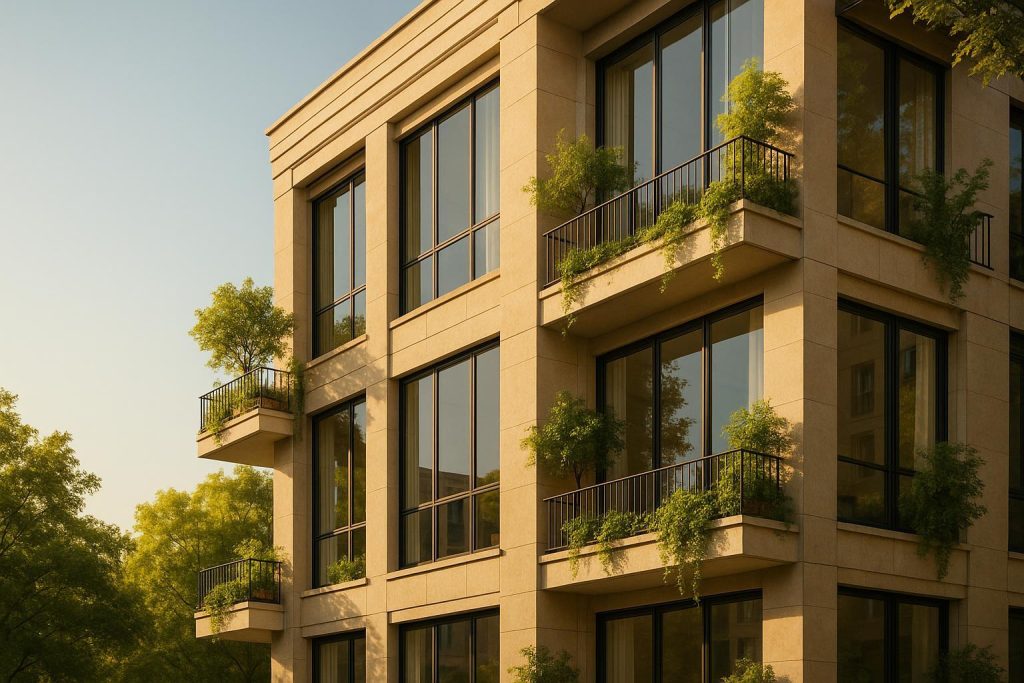
The Power of Thoughtful Design in Exclusive Living Communities
Thoughtful architecture plays a vital role in shaping the character, comfort, and overall appeal of exclusive living communities. While many people think of exclusivity as ornate facades or a prime location, true exclusivity arises from a synergy between design, functionality, and livability. When architects carefully balance privacy, connectivity, and long-term value, communities flourish, and residents experience an environment that genuinely feels unique. In what follows, we will explore how architecture becomes the backbone of exclusivity and why every design choice matters.
Why Architectural Intent Matters in Exclusive Living
Architecture sets the tone for how residents engage with a space, whether it is a collection of condominiums or a sprawling multi-building community. By embracing purposeful layouts, developers and architects can optimize every square foot. This approach visually enhances the collective experience and also addresses everyday needs—like efficient circulation, well-placed amenities, and privacy buffers.
In exclusive living spaces, the architectural framework offers more than style. It creates a sense of refuge. When lobbies welcome with natural light and corridors feature subtle acoustics to reduce noise, residents gain a sense of calm every time they pass through shared areas. By contrast, a design that only emphasizes dramatic finishes—without consideration for user experience—risks looking impressive yet lacking comfort. If you want deeper insight into what truly sets these spaces apart, take a look at What design features make an exclusive living space truly stand out?.
Connecting Privacy with Community Value
For many people, privacy is a cornerstone of exclusivity. Yet, exclusive communities also foster neighborly bonds and pleasant social interactions. Architects address this duality by placing windows, entrances, and balconies in positions that respect personal space while maintaining an open, welcoming environment. Efforts to control shared traffic flows mean hallways are not overcrowded, and ground-floor amenity areas are situated to allow for spontaneous greetings or conversations at a comfortable distance.
A straightforward example is how some architects incorporate curved walkways through gardens or courtyards. These paths allow glimpses of nature and small communal spots for seating, letting residents pause on their way home. Such design decisions encourage social connection organically—it never feels forced. Each step is intentional, reflecting how the architecture shapes shared moments without intruding on personal space.
Location Isn’t Everything, But Architecture Might Be
When people discuss exclusivity, they sometimes assume the project must stand in a premium, central location. In reality, a community’s architectural quality has at least as much influence on its exclusivity as its address. Thoughtful planning can be found in emerging neighborhoods, too, offering residents a unique, high-quality living experience even if they are not in a city’s main hub. For more information on this, explore Are exclusive developments always located in central areas, or can they be found in emerging neighborhoods?. The physical structures and how they interact with surroundings often become the true hallmark of exclusive living, beyond the postal code.
Developers who build with a long-term vision often channel resources into the quality of materials, energy efficiency, and the functional layout of both individual residences and shared areas. This not only boosts resident satisfaction but also fosters confidence about property value over time. When exclusivity is guided by thoughtful design, neighbors in less-traditional or up-and-coming locales can enjoy an experience as refined as those in more central districts.
Embracing Multi-Family Architecture with Exclusive Elements
Some might wonder if larger or multi-family complexes can truly offer an exclusive experience. The short answer is yes—if the architecture and planning cater to different lifestyles with cohesion and care. By segmenting spaces based on various resident activities, designers ensure that shared amenities, reading areas, or rooftop terraces do not clash with residents’ need for rest and tranquility. Learn more about how multi-family environments balance varied lifestyles in How do multi-family communities create exclusive living spaces for varied lifestyles?.
In this approach, architects weave private and communal areas into a single narrative. A building may feature a lounge, a fitness center, and landscaped nooks for conversation. Meanwhile, units might include thoughtful entryways, well-placed windows, or acoustic considerations that keep daily noise at bay. As a result, residents enjoy both privacy and optional group activities, reinforcing a distinctive sense of belonging.
The Role of Sustainable Architecture
As concerns about the environment grow, sustainability has become a noteworthy characteristic of exclusive communities. Today’s architects intentionally use eco-friendly materials that promote energy efficiency and reduce utility expenses. This can include high-grade insulation, advanced HVAC systems, and LED lighting throughout hallways.
Going green does not merely reduce the carbon footprint; it also shapes a healthier, more comfortable home for everyone involved. When paired with well-thought-out architecture, these green technologies become embedded in the property’s identity. Potential residents see genuine investment in the community’s long-term viability and well-being. You can also read why some forward-thinking new builds focus on this theme at Why do certain exclusive new builds focus on sustainability and community engagement?.
Making Smart Choices with Materials
Using quality materials is about more than aesthetics. Truly purposeful architecture goes beyond showy finishes by choosing materials that endure. Whether it is the flooring, counter surfaces, or wall insulation, architects and developers understand that investing in durable components yields long-term peace of mind for residents.
Consistent design language matters as well. Neutral tones accented by polished wood or modern metals can deliver a timeless feel without cluttering the space. When communal areas and private units share harmonious design elements, people recognize that the entire community was built with a holistic vision. This strengthens the sense of exclusivity and unity across the property. For additional design perspectives, you can visit What design features make an exclusive living space truly stand out?.
Designing for Spontaneous and Meaningful Connections
Sometimes, exclusive living is misinterpreted as strict separation from neighbors. In reality, well-planned architecture supports organic encounters in shared settings—like meeting a fellow resident by chance in a courtyard or chatting by the mailroom. When design invites curiosity and encourages natural movement, community bonds form more easily. This approach is fundamental to the idea of exclusivity as a valuable, shared experience.
Consider a property with landscaped walkways that guide residents past a small gathering area with benches. People might pause there for a chat or a coffee break. Over time, these incidental moments can evolve into genuine friendships, fostering a shared sense of pride in the community. Well-designed projects harness the power of these daily micro-interactions in a calm and purposeful way.
Landscape Integration as a Key Contributor
When thinking of exclusivity, greenery and well-integrated landscape features are crucial. Architecture does not just mean walls; it also means planning the natural environment so it becomes a living part of the design. Tree-lined paths, multi-level gardens, or rooftop green spaces bring a refreshing balance to dense urban areas. Residents benefit from reduced stress, cleaner air, and an uplifting ambiance. This harmony between built form and natural elements effectively anchors the sense of exclusivity.
Green areas can also serve as casual meeting points—seating arrangements offer comfortable spots for neighbors to connect outdoors, especially if they prefer a tranquil setting. Whether it is a green rooftop or a courtyard with flowering plants, these pockets of nature elevate beauty and well-being. Over time, they become synonymous with the essence of the development itself, weaving the idea of exclusivity into everyday life.
Ensuring Accessibility and Inclusivity
Exclusive living should be accessible to people of different ages and mobility levels. A well-thought-out community places ramps, wide corridors, and elevators in intuitive, clearly marked locations, ensuring everyone navigates the property with ease. If you are interested in the specific building formats that often house exclusive communities—from condos to larger complexes—visit Are exclusive living spaces typically found in condo developments or larger complexes?.
This inclusive design strategy goes hand in hand with the concept of exclusivity. Rather than restricting access to a narrow demographic, the development feels intentionally designed for diverse needs. The end result is a sense of respect, comfort, and reliability—values that match the thoughtful architecture found in high-end communities.
Refining the Common Spaces
Amenities play a major role in how people perceive an exclusive community. However, a gym or a lounge area will not be effective if they are positioned in a dark corner or are difficult to reach. Thoughtful architecture ensures these shared facilities are conveniently located yet remain distinct from private living areas so as not to disrupt the peace of residents who prefer quiet personal spaces.
For instance, a lounge might be near the building’s main entrance, featuring ample natural light, comfortable seating, and inviting decor. People crossing the lobby see it, feel welcomed by the design, and might enter to read or chat with a neighbor. If you are curious about lease terms or rental arrangements in such communities, see Do exclusive rentals usually offer flexible lease terms or require long-term commitments?. Each amenity, from quiet study corners to coworking spaces, can be designed for ease of use, helping reinforce how architecture can subtly foster engagement in a balanced and respectful way.
Preserving Long-Term Value
Exclusive living communities often resonate strongly with prospective owners or renters who want a home for the long haul. Robust architecture that includes solid structural design, efficient HVAC systems, and careful material selection can help preserve property value. More than that, the sense of harmony instilled by thoughtful design helps establish a positive reputation—current residents may stay longer, and new residents may be drawn to the property by word of mouth.
Moreover, exclusive properties located within mixed-use developments can attract investors who anticipate strong returns in vibrant neighborhoods. If you would like to learn more about the investment side, explore Is investing in exclusive, mixed-use properties a good long-term option?. When architectural quality aligns with robust location strategy, communities remain desirable and yield long-term success.
Holistic Architecture for Enduring Communities
Ultimately, the best examples of thoughtful architecture in exclusive living extend beyond the structural envelope. By integrating user-friendly layouts, sustainable materials, landscape design, and accessible amenities, developers produce residences that people don’t just occupy but genuinely enjoy. This holistic approach also ensures that communities remain relevant over time, adapting gracefully to new technologies or evolving preferences.
When done well, architecture becomes the essence of exclusivity—imbued with calm assuredness, a sense of belonging, and carefully orchestrated details that reward those who call it home. If you want to see firsthand how design choices shape exclusive living, explore our Projects for real-life examples or Contact us for more information on how architecture can set the stage for comfortable, community-driven environments.
By viewing architecture as more than a collection of design statements—treating it as an investment in people’s daily quality of life—we can cultivate neighborhoods that shine with authenticity, resilience, and that sense of something truly special. While each development has its own identity, every architectural decision should affirm the hallmark qualities of exclusivity: privacy, beauty, practicality, and a welcome sense of home.
