

Finding Exclusive Living Spaces in Condos and Larger Complexes
Exclusive living spaces are sought after by individuals who appreciate privacy, high-quality construction, and a strong sense of community. These residences can appear in a range of settings, from intimate condo developments to expansive multi-tower complexes. While the two types of properties differ in scale, what they share is an emphasis on modern design, reliable amenities, and thoughtfully planned environments. Determining which option is right for you will often involve deciding which benefits of exclusivity you value the most, whether that is an intimate residential experience or access to a wide array of upscale facilities.
What Makes a Living Space Exclusive?
Before diving into specific building styles, it helps to understand what elevates a space to the level of “exclusive.” Often, these homes feature high-end finishes, advanced security systems, and architectural details that stand out no matter the size of the development. Many thoughtfully planned buildings also blend visual appeal with utility, ensuring that everything from shared lobbies to private balconies supports a livable atmosphere. Equally important is a sense of privacy. Even in bustling urban environments, exclusive living spaces often incorporate quiet corners, landscaped courtyards, or hidden lounge areas that allow residents to decompress in peace.
Beyond the finishes and ambiance, the definition of exclusivity rests on the property’s ability to offer more than the basics. Amenities such as communal fitness centers, coworking spaces, and purpose-built social lounges can foster a feeling of comfort and belonging, giving residents ample opportunity to connect or to keep to themselves, as needed. In essence, an exclusive living space is designed for people who want to balance a sense of community with the ability to maintain personal privacy.
Condos: Boutique Appeal with a Personal Touch
Condo buildings are typically known for their boutique approach. Many developments feature a limited number of units, allowing residents to build close connections in a welcoming setting. Because condo environments tend to house fewer people, it is often easier for the building’s management or strata to maintain a high level of service and cleanliness. This can range from ensuring common areas are well-kept to responding quickly to any individual concerns. Consistency like this is especially valued by people who prioritize a low-stress lifestyle.
Those searching for exclusivity may appreciate the specialized amenities in condos crafted with long-term value in mind. Boutiques often place a premium on attractive shared environments, such as rooftop lounges or elegantly designed lobbies that serve dual functions: they make a strong first impression and offer a space for socializing. In many cases, these developments adopt a human-centered design approach, dedicating resources to features that reflect quiet refinement rather than flashy trends. Quality, timeless design, and attention to detail are all hallmarks of a condo built with exclusivity at the forefront.
Another strong appeal of boutique-style condos is the sense of privacy. Less foot traffic translates into more tranquility, so residents can enjoy well-connected city living while still savoring a certain degree of solitude. Residents also benefit from fewer potential disruptions, which can be a critical factor if you value a calm atmosphere. Moreover, security is often enhanced in smaller properties, as the staff can more easily monitor and serve a limited resident population.
Larger Developments: Modern Amenities and a Lively Community
For those who thrive in a more dynamic environment, larger complexes may be the optimal choice. These properties can house hundreds of units and provide residents with an abundance of communal amenities. Gym facilities are often upgraded with state-of-the-art equipment, while some developments include dedicated coworking areas for remote professionals. Residents may even find swimming pools, children’s play zones, multi-purpose event spaces, or cinema rooms.
Larger communities often have the advantage of scale when it comes to implementing new technologies and services. They might, for instance, invest in modern infrastructure to enhance digital connectivity, helping ensure that work-from-home tenants have stable internet access. Additionally, big developments can allocate resources for specialized staff—from security teams to lifestyle coordinators—who are responsible for cultivating a safe and engaging environment. In this way, exclusivity can manifest as the ability to access numerous on-site conveniences without leaving the property.
Because these complexes commonly occupy prime or emerging areas, residents benefit from living in well-connected neighborhoods. This aspect, combined with strategic urban integration, can be especially appealing if you want a solution that merges comfortable living with proximity to shops, restaurants, and transit. Some people find that a busier environment suits their lifestyles better, offering them a chance to mingle with neighbors from diverse backgrounds while still having private retreats in their well-designed units. Whichever approach you prefer, a sense of exclusivity in larger developments derives from a mixture of clarity in design, modern infrastructure, reliable security, and ample choices for recreation or quiet personal downtime.
The Role of Architecture and Design
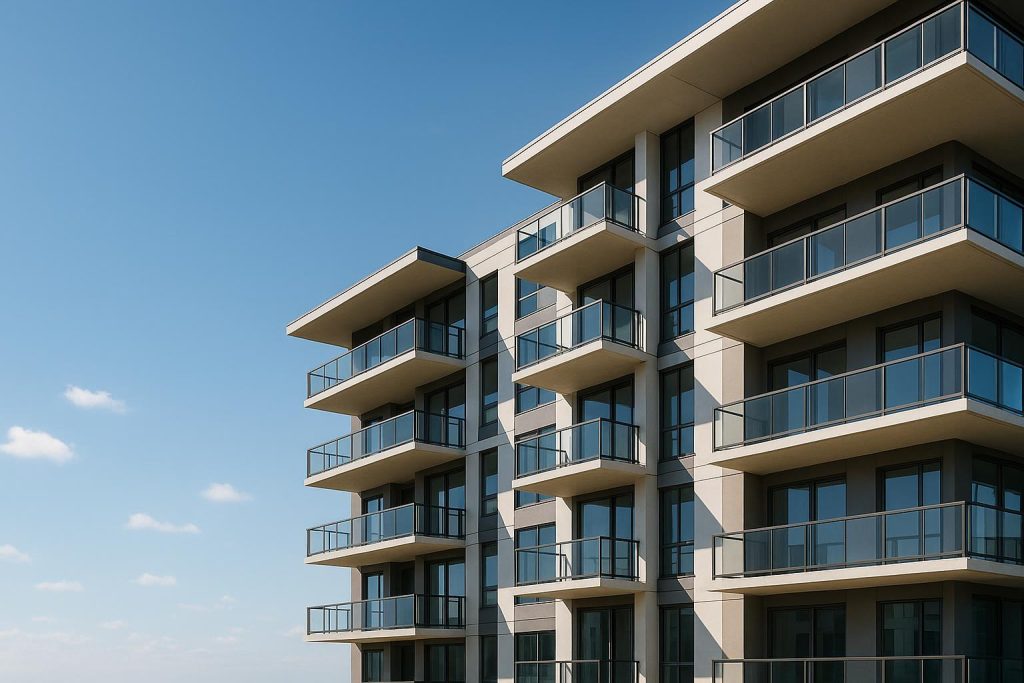
When it comes to exclusive living spaces, particularly those in condo developments or larger complexes, architecture carries just as much weight as the amenities themselves. The question of what role thoughtful architecture plays in creating exclusive living communities often centers on the synergy between visual appeal, spatial flow, and purposeful layout. For instance, a building with graceful lines, sustainable materials, and abundant natural light can positively impact residents’ quality of life. In both small and large properties, the design should support the well-being of each resident rather than serving as a mere aesthetic statement.
Sustainable features, such as energy-efficient windows and responsibly sourced materials, have also become integral to exclusive developments that aim to add long-term value. These design decisions can reduce utility costs, lessen environmental impact, and create more comfortable indoor climates. If you are searching for a forward-thinking living space, seeking properties that embrace environmental stewardship can be a valuable filter.
Why Location Matters
While many people imagine exclusive properties nestled in central business districts, the reality is that you can find them in diverse neighborhoods. Some are indeed located in bustling urban cores, offering quick access to financial districts and major cultural hubs. However, exclusivity is not restricted to these hotspots. In fact, emerging areas have seen a development surge as seen in the discussion about whether exclusive developments are always located in central areas or can be found in emerging neighborhoods. Authentic exclusivity often entails connecting residents to well-rounded lifestyles, and that can just as easily happen in quieter districts undergoing rapid growth.
Property developers prioritize convenient proximity to essential services, public transit, or other local resources. For instance, being within walking distance of grocery stores, health facilities, or cultural centers can significantly increase a property’s appeal. Even in up-and-coming neighborhoods, you will often find conscientious planning that ensures the area evolves into a vibrant, well-connected space, featuring new shops, parks, and pedestrian-friendly routes. When you are choosing between a condo building or larger complex, weigh whether you prefer an established neighborhood or want to be a part of a growing community—each can offer its own flavor of exclusive living.
Amenities That Foster Community and Privacy
Exclusive living can involve combining a sense of togetherness with ample quiet. Whether in a modest condo with a single lounge or a multi-tower complex teeming with different activity rooms, amenities are usually designed to enhance everyday life. You might find:
- Rooftop Gardens or Terraces: These areas offer well-crafted landscaping, panoramic views, and the chance to mingle with neighbors or enjoy a relaxing moment alone.
- Fitness and Wellness Spaces: From fully equipped gyms to yoga studios, thoughtfully planned exercise areas make well-rounded health more accessible.
- Dedicated Coworking or Business Centers: In an age where remote work is increasingly common, on-site office spaces can add considerable value to any property.
- Multi-Purpose Lounges: Event rooms or lounges give residents flexible space for private gatherings, game nights, or even small community-led functions.
- Secure Entrances and Private Access Points: Both condos and large complexes typically include features like keyless entry and on-site security, ensuring residents can control access to their homes.
In many respects, these amenities aim to foster a sense of shared identity among residents. At the same time, a truly exclusive property will respect individual boundaries, making it easy to enjoy solitude. Private balconies, sound-insulated walls, and strategic unit layout are all common solutions. The finest developments achieve a delicate balance: they facilitate community interaction but never impose it—an approach that resonates with people who prefer flexible opportunities to connect.
Considering Lease Terms and Investment Potential
If you are searching for exclusive rental options, you might wonder whether exclusive rentals usually offer flexible lease terms or require long-term commitments. This question can arise in both condo buildings and larger developments. Some properties lean toward year-long or longer leases, especially if they cater to residents who value stability and plan to stay for an extended period. Others might be more open, offering month-to-month or shorter contract options, catering to those with evolving life circumstances. Regardless of the lease structure, the overarching exclusivity remains defined by superior design, curated amenities, and robust community features.
For prospective buyers or real estate investors, exclusivity can dovetail with the concept of opting for mixed-use properties that foster long-term value. Some developments merge residential units with retail or commercial spaces, creating a mini-community within a single building or strata. This strategy can strengthen the property’s appeal and expand its utility, ensuring stable foot traffic for businesses and convenience for residents. Ultimately, whether you invest in a small condo project or a sprawling complex, seeking developers with a track record of reliable construction and purposeful planning can increase your investment’s longevity.
Are There Trade-offs Between Size and Exclusivity?
An enduring perception of exclusivity is that it requires a small scale. However, this assumption may not always hold. It is entirely possible for a large development to feel just as exclusive as a smaller one, provided the design, amenities, and community ethos prioritize residents’ comfort and convenience. Often, the deciding element is how well the developer integrates key features—like secure access, purposeful landscaping, and communal amenities—while maintaining a sense of privacy.
Conversely, not every boutique condo is automatically exclusive. Developers need to focus on responsible design, reliable services, and a well-connected neighborhood to create a truly special place. If a smaller property is poorly maintained or overlooks thoughtful community elements, it may lack the level of sophistication some residents expect. Selecting the right property requires evaluating the details and deciding which attributes matter most to your version of exclusivity.
Practical Tips for Finding Your Perfect Space
- Visit Multiple Properties: Tour both condo buildings and larger complexes. Pay attention to both the communal vibe and the overall upkeep.
- Assess Amenities Carefully: Do the offerings reflect your lifestyle needs? Thoughtfully planned lounges, fitness centers, and coworking spaces can enhance daily life when designed for people rather than purely for show.
- Check Security Measures: Learn how the property manages access control, from keyless entry to concierge services. A secure entrance fosters peace of mind.
- Look for Purpose-Built Quality: Properties constructed with a long-term vision tend to incorporate better materials and design strategies, ultimately benefiting residents and communities alike.
- Consider Location: Determine whether you are drawn to established areas or if you prefer high-end rentals in vibrant neighborhoods undergoing growth. Proximity to transit and essential services also influences convenience and long-term value.
Exploring Diverse Properties: From Rentals to Multi-Family Communities
If you are interested in learning more about how multi-family communities create exclusive living spaces, you may find that each property’s approach to amenities, shared areas, and architectural style varies considerably. Some developments integrate sustainability and community engagement into their design and construction process. Others might focus on private amenities that cater to residents’ need for quiet relaxation or social gatherings. Balancing these elements can deliver a well-rounded lifestyle and set a tone that truly stands out.
In some regions, you might find exclusive new builds that emphasize green infrastructure and local connectivity. These projects can unite those who want to lower their environmental impact without sacrificing luxury or convenience. For a deeper exploration of similar concepts, consider why some new developments focus on sustainability and community to discover how environmental considerations are reshaping notions of exclusivity.
Where to Go from Here
The choice between a boutique condo and a large-scale complex often boils down to personal lifestyle preferences, budget considerations, and the type of environment you envision calling home. Condo buildings excel at providing a close-knit community and personalized aesthetics. On the other hand, larger developments respond to those looking for on-site features that allow them to work, exercise, and socialize in the comfort of their own residential complex. Both forms of housing can reflect the essence of exclusivity—what matters most is whether the property’s specific combination of design, amenities, and location suits your priorities.
At the end of the day, there is no one-size-fits-all answer to achieving an exclusive living experience. Your idea of home might revolve around a smaller footprint with meticulously designed materials or revolve around expanded facilities and diverse communal zones. If you would like to see tangible examples of properties that embody these principles, feel free to explore our Projects or view our Rentals to discover residences shaped by trusted construction, thoughtful planning, and a sense of community. A well-connected home does not need to compromise on privacy or comfort. Through intentional design, purposeful amenities, and an understanding of what residents genuinely value, exclusive living can flourish in all shapes and sizes.
