

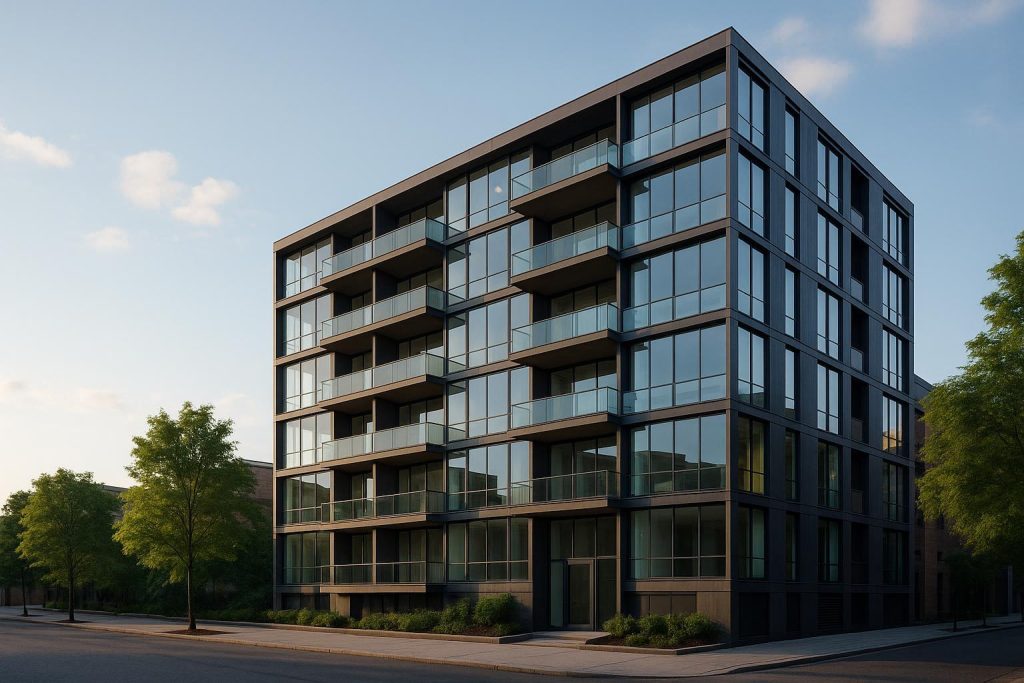
Crafting Modern Buildings that Merge Beauty with Practical Function
In contemporary real estate development, there is a continuous effort to harmonize the visual appeal of a building with the fundamental need for practicality. As urban landscapes evolve, people look for structures that are both visually captivating and capable of supporting comfortable, purposeful living. Balancing these two core aims—striking design and everyday functionality—remains one of the biggest challenges and most meaningful pursuits for architects, urban planners, and developers alike.
Why Does Aesthetic Appeal Matter?
Beauty in design is not a superficial pursuit; it can directly influence how people feel and interact with a space. When a building resonates aesthetically with its surroundings, it contributes to a sense of well-being for those who live, work, or visit there. In many thriving neighborhoods, elegant design serves as a catalyst for community pride, local engagement, and even higher property values. People tend to appreciate—and stay in—places that reflect thoughtful, high-quality craftsmanship.
Moreover, architecture that is visually appealing often aligns well with local design guidelines and can enhance the wider cityscape. Developers who pay close attention to style, form, and materials tend to create projects that stand the test of time, delivering value to current occupants and future generations of residents.
The Importance of Practical Features
Of course, no matter how visually compelling a building might be, it must also serve its intended function well. Day-to-day convenience, operational efficiency, and ongoing maintenance standards should factor into every decision made by a development team. Features such as:
- Energy Efficiency: Designs that integrate sustainable materials, effective insulation, and modern building techniques not only reduce the environmental footprint but also lower long-term operating costs.
- Livable Interiors: Strategically designed floor plans and interior layouts ensure day-to-day convenience, providing spaces that are open, well-lit, and well-ventilated.
- Durable Construction: Quality materials that can withstand varied climates and regular wear are critical for longevity. This includes robust structural elements, high-performing windows, and reliable building systems.
- Accessible Amenities: Practical amenities—like secure bike storage, comfortable community lounges, or multipurpose spaces—should adapt to the lifestyle and needs of current and future tenants.
All of these aspects keep a development functioning smoothly. When a balance is struck, a project will not only be attractive on the outside but also integrative, welcoming, and efficient beneath the surface.
Structuring the Design Process
Combining aesthetics and functionality typically begins in the earliest planning phases. Developers often partner with architects, engineers, city planners, and community representatives to shape a cohesive vision for new construction. This collaborative spirit allows each discipline to weigh in on critical decisions, from selecting sustainable building materials to positioning the building in ways that preserve or enhance neighborhood character. It also means that no aspect—whether it pertains to the overall facade or utility infrastructure—is treated as an afterthought.
Meticulous planning might include CAD modeling and 3D visualizations that let project teams spot potential design clashes before structures are finalized. These approaches help identify issues such as awkward entryways or underutilized shared spaces, making it easier to refine the project’s design until it blends smoothly into its environment, appeals to future tenants, and respects issues of function and flow.
Choosing Materials Thoughtfully
Material choice is often seen as one of the biggest ways to merge style with functionality. For developers building new, modern structures, each material—whether it’s a distinctive cladding that highlights a building’s elegance or a specialized concrete that boosts durability—has the power to shape both the building’s appearance and its performance. Key considerations include:
- Local Climate: In regions with heavy rainfall or distinctive temperature swings, selecting materials that minimize mold risk, corrosion, and weather damage is essential.
- Longevity: Sturdy, proven materials might have a higher initial cost but typically reduce repair expenses in the long run.
- Sustainability: Eco-friendly materials bring health benefits to occupants and local ecosystems while potentially offering savings through energy efficiency. They also signal a forward-thinking development ethos.
- Visual Consistency: Materials should work together to form a unified design language—from the exterior facade to interior fixtures—ensuring cohesiveness.
A well-chosen material palette influences both how the building looks and how well it holds up over decades of use and changing weather conditions, aligning with an overarching goal of creating homes and workspaces that are designed for people.
Merging Aesthetics with Daily Livability
A building’s practical features are not limited solely to systems behind the walls. When people look for new housing—particularly in modern, purpose-built rental communities—they naturally expect not just a nice exterior but also accessible, accommodating interior spaces. Typical questions homeowners or renters might ask are: “Is there enough natural light in the living area?” or “How easily can I reach nearby transit options?” By anticipating these questions, developers can create designs that make day-to-day living simpler and more enjoyable.
Modern floor plans should maximize space, eliminate wasted corners, and allow a smooth flow between living, cooking, and resting areas. Additionally, elements such as properly placed windows encourage cross-ventilation and ensure ample daylight, which reduces the need for artificial lighting during the day. When architecture is driven by the needs of real people, practical solutions become central to the design, and the aesthetic style naturally follows as a complement.
Contextualizing the Design in the Neighborhood
In many urban areas, new modern builds have to integrate seamlessly with established environments. Such integration can be approached through:
- Scale and Massing: Builders ensure the height and scale of a new structure relates well to its immediate neighbors, preserving a sense of unity and consistency.
- Architectural Details: Borrowing certain sight lines or material accents from local architectural styles helps fresh buildings feel organic to the existing fabric.
- Community Collaboration: Thorough discussions with local residents and stakeholders can reveal what the neighborhood values most. Community members may prefer quieter facades or robust landscaping that complements walkable areas.
By adopting a contextual approach, developers demonstrate that they respect both the local character and the residents who call that place home. This leads to a design that not only shines by itself but also elevates the broader area.
Considering Long-Term Value
One of the best ways to harmonize aesthetics and practicality is to maintain a long-term perspective. For many real estate development companies, new buildings are not designed to be flipped quickly or to attract short-term gains. Instead, they must be resilient assets intended to serve both current tenants and the community for decades. Incorporating elements like high-quality, low-maintenance exterior finishes can reduce the need for frequent repairs, while flexible interior layouts allow spaces to adapt over time.
A future-oriented mindset also opens the door to crucial sustainability practices. Whether it’s equipping a property with green roofs or designing communal areas that support local biodiversity, these measures are both aesthetically appealing and practically beneficial. They can help reduce environmental impact, attract environmentally conscious tenants, and align with the growing municipal demand for responsible development.
The Role of Purpose-Built Communities
Purpose-built communities, particularly those focused on rental housing, offer developers a unique platform to seamlessly merge aesthetics and functionality. By designing a project specifically as a place where people will thrive for the long term, every aspect—from the layout of each unit to the interplay of shared amenities—can be envisioned together. This integrated design approach reduces compromises and fosters a stronger link between beauty and practicality.
For those interested in seeing how purpose-built spaces come to life, it can be illuminating to explore available rentals that follow these principles. Modern developments often emphasize not only the visual identity of the property but also daily conveniences like on-site management, robust security features, communal gathering spots, and flexible spaces for residents to connect.
Delivery and Execution
A project that merges good looks with reliable function will not succeed without careful oversight through all phases. Construction management is pivotal here. Skilled supervision helps maintain quality standards, manage budgets, and keep timelines on track. It also ensures that every design intention, from an attractive entrance lobby to strategically placed landscaping, is accurately transformed from concept to reality.
Developers who operate with transparency and collaborate closely with contractors, municipal partners, and local suppliers can catch and resolve issues early. This smooth process reduces the risk of misaligned construction, cost overruns, or subpar materials sneaking onto the job site. In the end, a thorough management process will preserve the integrity of the original design and maintain a built environment that resonates with both modern aesthetics and functional reliability.
Bridging Architecture and Community
Though the visible result of every new modern build might seem to begin and end with its architectural statements, the deeper goal is to create places that enrich people’s lives. Whether it’s a mixed-use complex that includes shops, walkable green space, and living areas, or a modest mid-rise featuring subtle design motifs, the best buildings always serve a practical purpose while adding to the broader cultural fabric of a city or town.
Encouraging community interaction through thoughtfully designed lobbies or shared roofs not only adds aesthetic appeal but also supports social well-being. Incorporating local art, thoughtful landscaping, and spaces for communal events encourages residents to view themselves as part of a vibrant neighborhood rather than merely occupants of a building. In this sense, aesthetics become an active participant in fostering civic engagement and neighborhood pride.
Refining the Balance
Merging striking visual style with day-to-day feasibility is an ongoing process of refinement. Developers, architects, and engineers must remain receptive to new technologies, sustainability breakthroughs, and shifting community needs. Engaging with feedback from residents and early adopters allows future projects to be even more aligned with what people truly want from their built environment.
In many ways, balancing aesthetics and practicality is an evolving skill. Each new building contributes fresh insights, further improving modern construction standards and guiding teams toward approaches that deliver meaning, comfort, and beauty all at once.
Further Exploration
If you are interested in how these principles arise in real-world scenarios, exploring a developer’s range of projects can be a revealing experience. You might discover common threads such as energy-efficient building envelopes, purposeful landscaping, and elegant facades. To understand more about the continuing evolution of design and functionality in modern developments, you can also take a look at various completed and upcoming projects that showcase these core ideals. These examples often illustrate how thoughtful planning, attentiveness to local community perspectives, and dedication to quality can produce homes and mixed-use spaces that feel complete and enduring.
Ultimately, as modern building trends continue to evolve, it remains clear that the best outcomes are driven by an unwavering commitment to both good design and functionality. When aesthetics support the practical needs of everyday life, and thoughtful engineering heightens a building’s beauty, the result is a place that people are proud to call home or to visit. This synergy is what pushes real estate development forward, inspiring new standards of excellence that benefit neighborhoods for generations.
