

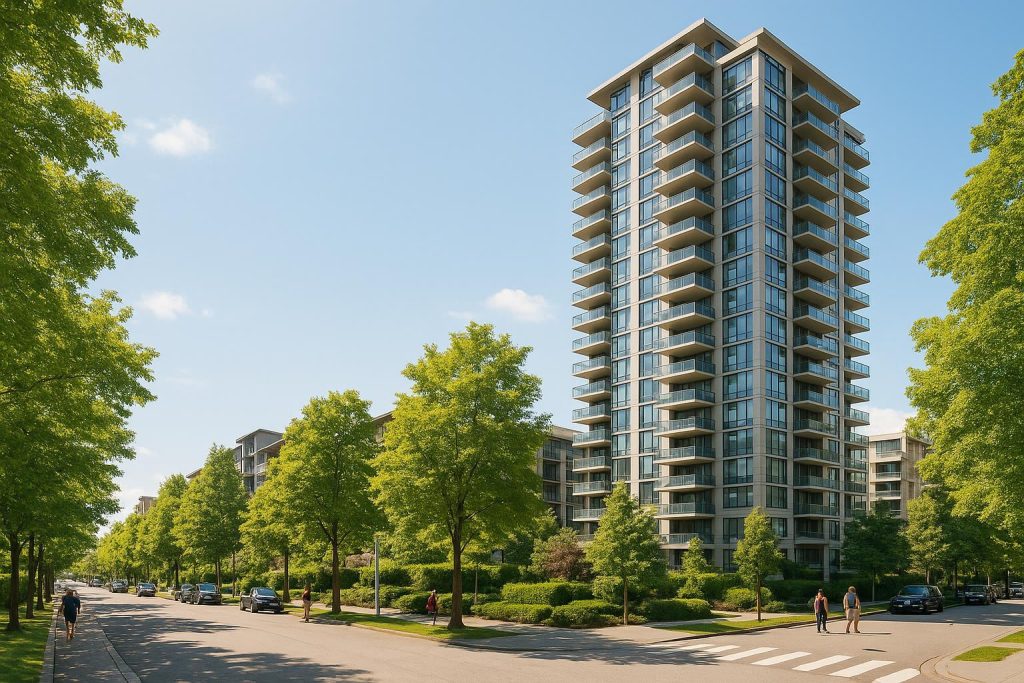
Understanding the Benefits of High-Density Living
When people talk about high-density living, they often picture large urban towers or clusters of multi-unit buildings in thriving city centers. While this style of development does feature taller structures and a higher population within a smaller footprint, the advantages go far beyond the obvious use of vertical space. High-density residential buildings can foster deeper connections, more sustainable transportation options, and convenient proximity to amenities, all while contributing to a thoughtful, community-oriented urban fabric. Whether you are a young professional seeking an efficient commute or a family wanting a vibrant neighborhood, high-density living can be a compelling solution for modern lifestyles. Below, we explore the long-term value and everyday benefits that continue to draw residents to these well-connected environments.
1. Convenient Access to Essential Amenities
One of the most striking advantages of high-density residential buildings is the abundant access to amenities. Because these developments concentrate housing in central areas, residents often find themselves within walking distance of restaurants, shops, and cultural hubs. This convenience extends to crucial services like grocery stores, healthcare facilities, and community centers, which helps people minimize travel time in their daily routines. Being able to complete errands on foot or with a short transit ride frees up schedules and fosters a more balanced life. High-density environments, often located near bus, rail, and other public transportation services, make it easier to plan journeys without relying on personal vehicles. For many, this shift toward a transit-oriented lifestyle positively influences both affordability (fewer car-related costs) and sustainability (lower carbon footprints).
2. Enhanced Walkability and Connectivity
Walkability is a crucial element in measuring a neighborhood’s livability. In a high-density community, sidewalks, pedestrian paths, and traffic-calming measures are typically prioritized to ensure a safer and more pleasant experience. By integrating efficient transit routes and bike lanes, high-density developments expand mobility options. Residents can walk to a local café, cycle to work, or take a convenient bus ride to meet friends across town. Such thoughtful community design is about more than mere convenience. It supports public health by encouraging more physical activity, reduces traffic congestion, and helps local businesses flourish. When neighbors walk and gather in the same areas, they gain a greater sense of what their surroundings have to offer, reinforcing neighborhood identity and pride.
Beyond convenience, walkable and bike-friendly neighborhoods also create a tangible sense of place. When you stroll along vibrant streets, you begin to see familiar faces and local touches, from a favorite bakery to a well-loved community garden. Such personal connections have the potential to transform an otherwise anonymous urban setting into a welcoming, inclusive environment.
3. Building a Strong Sense of Community
When living in a high-density residential building, you are considerably more likely to see and interact with your neighbors. This leads to a compelling sense of community-driven living. Communal features, including rooftop terraces, shared courtyards, and common social spaces, serve as a natural backdrop for conversation and events. Whether you are a longtime resident or new to the building, it is easy to meet other people walking down the hall or relaxing in a shared lounge. Informal interactions can grow into friendships and support networks, creating a sense of belonging and trust.
Being in close proximity also encourages the formation of resident groups or committees that collaborate on building-wide initiatives, from sustainability campaigns to community outreach. These grassroots efforts define a neighborhood’s culture and spark a unique feeling of connection. When you live in a setting designed for both privacy and social contact, you can enjoy personal space while still participating in a collective environment. Over time, these relationships are the heart of what makes high-density living so appealing to many.
4. More Sustainable Land Use and Urban Development
By clustering multiple units within a smaller footprint, high-density buildings help optimize land use. In rapidly expanding urban centers, space is at a premium, and cities must address population growth in a responsible way. A well-planned high-density community can host many residents on a limited plot of land, without sacrificing essential resources or contributing to urban sprawl.
Compact building layouts frequently support a mix of residential and commercial elements, fostering a dynamic, multi-purpose environment. When you can find shops, parks, and workplaces within the same general area, you reduce long car trips and cut down on emissions. Fewer road expansions are needed, which saves on infrastructure costs for local governments and makes the entire ecosystem more sustainable. This is an increasingly important advantage as municipalities aim to achieve balanced growth while respecting the realities of limited space and environmental stewardship.
Responsible development in high-density contexts also aligns with the idea of purposeful, inclusive capitals where every square foot has a role. Many planning strategies recommend concentrating growth in areas with existing transit or major thoroughfares rather than fringe developments, minimizing environmental impact. With thoughtful design, these buildings incorporate green rooftops, thoughtful landscaping, and energy-efficient features that contribute to a healthier urban atmosphere.
5. Tailored Common Areas and Amenities
When developers invest in high-density projects, they typically have more incentive to include shared amenities that benefit many households under one roof. Such features might range from fitness facilities to community gardens or reading nooks. The goal is to craft spaces that are designed for people — areas that enrich daily routines and become part of the building’s identity. Over time, these high-quality amenities can truly enhance residents’ experiences by reducing the need for external memberships or lengthy trips to access basic services. An on-site wellness center, for instance, can boost both convenience and health while fostering social connections.
On the same note, these common areas are carefully planned to accommodate a diverse range of lifestyles. For families, there may be a supervised play space, while individuals who work remotely could make use of shared co-working areas or quiet studying rooms. The result is a building that feels customized for people at different life stages or with different schedules. From a broader perspective, having these amenities under one roof can lead to a more efficient management of resources, saving both energy and money on daily operations.
6. Professional Management and Reliability
Another key benefit of life in a high-density residential building is the availability of professional management services. By design, these developments often hire dedicated staff or work with reliable companies tasked with maintaining common areas, handling repairs, and ensuring overall security. This kind of comprehensive oversight not only helps keep common spaces clean and inviting, but also relieves residents of many day-to-day headaches. When an issue arises, such as a maintenance concern, professional managers are responsible for addressing it promptly.
This aspect can be especially reassuring for individuals on tight schedules, those who travel regularly, or simply anyone who prefers peace of mind. The staff can coordinate more complex tasks, such as elevator maintenance or landscaping, ensuring that all residents share in the benefits. Over time, this consistency builds trust in the environment and contributes to the building’s long-term value, demonstrating what many people call “responsible development.”
7. Economic Support for Local Businesses
High-density buildings can also energize local businesses and services. A larger population in one area means more potential customers for nearby shops, restaurants, and cultural venues. By fostering consistent foot traffic, these communities encourage local investment and innovation. New small businesses and family-owned stores may find it easier to open, improving overall neighborhood character. In a sense, high-density development can serve as a powerful economic engine — one that not only supports daily conveniences but also generates jobs and fresh opportunities.
This principle is central to many modern urban planning guides that emphasize mixed-use designs. Instead of having a single-residential zone isolated from commercial districts, high-density projects integrate multiple uses in convenient, safe, and engaging ways. As a result, local communities take on a distinctive charm, fueled by diverse local establishments, from cafés to art galleries or co-working spaces. This also reduces the need for long-distance commutes, which can translate to savings in time and money for the people who live there.
8. Community Safety and Visibility
High-density developments often enhance security by virtue of their design. With more people living in and closely observing common areas, suspicious or criminal activity is less likely to go unnoticed. In this context, the old adage “eyes on the street” becomes an asset. Residents learn to look out for one another, and a regular presence of neighbors or staff can dissuade potential problems. Many high-density buildings also invest in security systems, from controlled entry doors to cameras positioned in shared spaces. Coupled with the vigilance of an active community, these measures can help create a safe environment.
Children and families living in high-density spaces can feel reassured by the sense of familiarity and oversight that many of these buildings provide. If there is a situation that needs attention, reaching out to management or even a nearby neighbor is typically straightforward. At the same time, safety mechanisms, such as compliant fire systems and well-maintained hallways, are generally top priorities in a well-run development.
9. Sustainable Transportation and Reduced Carbon Footprint
Thanks to public transit connections, bike lanes, and pedestrian-friendly strategies, high-density neighborhoods are at the forefront of reducing carbon emissions. Cities tend to invest in robust transportation systems that serve these bustling areas, recognizing that a density of people can sustain the costs associated with frequent bus or rail service. This approach is more than a convenience for locals — it is a global good, since fewer cars on the road reduce pollution and traffic congestion.
Sustainable living goes beyond transit. Many high-density buildings integrate design features like green rooftops and eco-conscious materials, further curbing environmental impacts. By concentrating resources where they are most needed, developers can create dynamic spaces that reinforce urban efficiency. For example, rather than building widely separated or sprawling subdivisions, high-density developments use space economically, preserving surrounding greenery and farmland. In turn, local governments can focus on improving transit options and pedestrian routes even more, creating a positive cycle of continuous improvement.
10. Flexibility for Different Lifestyles
While the popular perception of high-density living once revolved around small studios or cramped apartments, modern developments are offering more variety than ever. People can find layouts that fit individuals, couples, or families, often with flexible design solutions that let them customize their personal spaces. Developers aim to craft buildings that incorporate design excellence and prove adaptable in the long run. This approach supports different household sizes, work-from-home needs, and changing life situations, ensuring each resident can find something suited to their routines.
A key element in this flexibility is minimizing wasted square footage. By carefully planning hallways, communal rooms, and private spaces, high-density developments can often feel more spacious than older buildings that were not thoughtfully planned. The efficiency of design ensures that residents do not compromise on comfort or style, even as overall footprints remain moderate. If you want more tips for getting the most out of your layout, you may find our resource What features make apartments in high-density buildings feel more spacious? helpful.
11. A Potential Avenue for Real Estate Investment
High-density structures can be a viable investment option, as they supply long-term rental living opportunities in centrally located areas. Investors often appreciate the stability that comes from owning property in amenity-rich, transit-accessible neighborhoods. These settings can maintain low vacancy rates because demand typically remains high among renters looking for a well-connected, vibrant place to live. For those interested in exploring this topic more deeply, our guide Are high-density developments a good option for real estate investors? offers additional insights on how this type of housing fits into different investment strategies.
12. Greater Availability of Public Transit
Many people choose high-density neighborhoods for convenience and sustainability, and one of the biggest enablers of both is public transit. Likely you have seen well-established bus corridors, rapid transit lines, and other forms of transit weaving through downtown cores. These systems thrive in densely populated districts, where ridership remains consistently high, making service more frequent and reliable. In areas where ridership is robust, authorities are more willing to expand and upgrade their transit networks. This further enhances quality of life and spares residents the expense or stress of driving in traffic every day. If you want to learn more about how a larger population base shapes transit infrastructure, read How do high-density neighborhoods impact public transit availability?.
13. Modern Design and Architectural Features
Because many high-density buildings are relatively new or recently renovated, residents can enjoy upgraded systems, fresh aesthetics, and energy-saving technology. This could mean advanced insulation, modern windows, or well-thought-out common areas that look polished and inviting. Far from the sometimes generic towers of decades past, these developments showcase contemporary details that unify function and style. In some cases, you can walk into a lobby that features beautiful furniture or greenery, highlighting the value placed on a hospitable atmosphere. Strategic lighting designs in hallways and shared areas emphasize comfort while ensuring safety. Architecture can often be a catalyst for stronger communities, drawing inspiration from local design traditions or innovative aesthetic approaches that give the building a unique character.
14. Resources for Further Exploration
High-density residential settings captivate people for many reasons, from the promise of an inclusive social life to everyday conveniences like shops on every corner. If you want to see modern developments in action, consider taking a look at our Projects page, where you will find examples of responsibly built communities that embody this concept. And if you are exploring rental opportunities that exemplify this style of living, you can also check our rentals section.
Those curious about the distinctions between different building types or whether high-rise condos meet the definition of high-density might find it worthwhile to read Are high-rise condos considered high-density residential?. By learning more about the designations and features of multi-unit properties, you get a clearer sense of which environment suits your lifestyle. Ultimately, it is about finding a place that provides the right balance of walkability, community amenities, and overall livability.
Summing Up the Many Advantages
High-density living, marked by proximity to amenities, established transit routes, communal spaces, and professional oversight, remains a trusted choice for a diverse set of urban dwellers. By making the most of limited land, high-density communities encourage a sustainable approach to urban development, focusing on inclusivity and connection. For some, it may be the chance to meet neighbors and create lasting social ties. For others, the draw is a high level of convenience, whether it’s walkable shops, quick public transit, or minimal commuting times. Above all, these developments illustrate how design excellence, thoughtful planning, and community-centered solutions can enhance our daily lives. In an era where space, resources, and time are increasingly precious, high-density residences stand out as a blueprint for responsible growth and a reflection of how we can all live more cohesively in the urban realm.
