

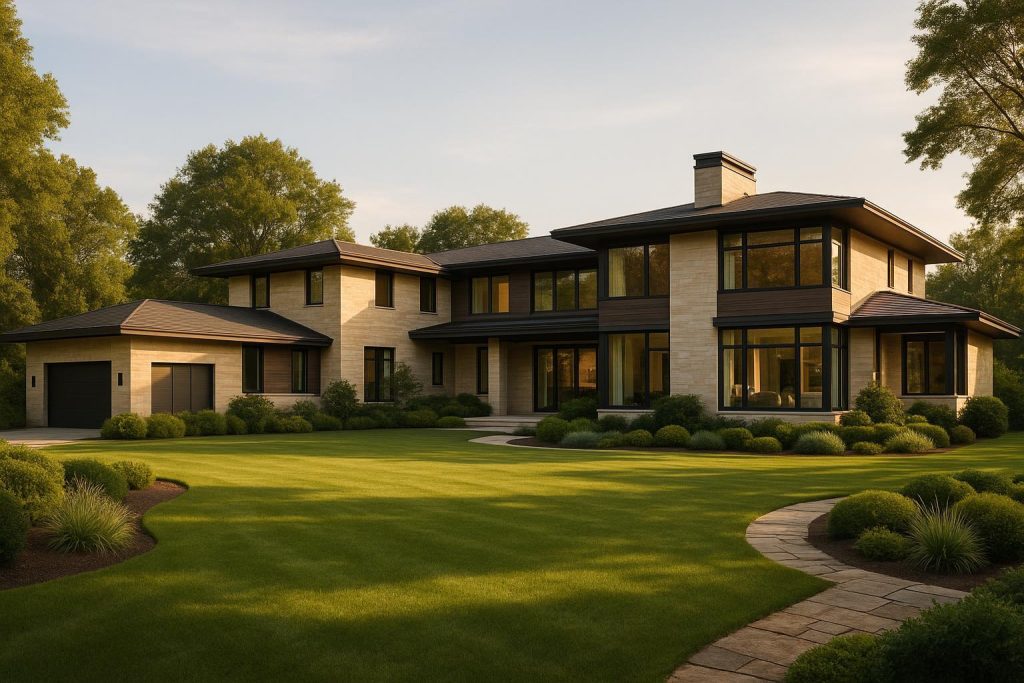
Planning, Phases, and Timelines for Exclusive Estate Projects
When it comes to creating an exclusive estate project, understanding the full scope of the development process is the best way to anticipate how long it may take. While many in the industry cite an 18- to 36-month window as standard, these figures can shift dramatically based on local regulations, site complexities, and the scale of the concept. Whether you are envisioning a multi-acre residential haven or an expansive property with specialized amenities, it helps to recognize how each phase of your venture can add or subtract months from your schedule. By exploring the steps from conceptualization to construction and final inspection, you can set realistic expectations and plan accordingly.
In this extended guide, we will break down the distinct stages involved in planning an exclusive estate, from early feasibility evaluations through to occupancy. We will also address how factors like sustainability objectives, architectural style, and municipal feedback may alter deadlines. By the end, you will have a clearer sense of what to expect and how to minimize unforeseen delays. In addition, for those seeking to dive into broader aspects of estate design, we have included references to related FAQs. These delve deeper into everything from architectural themes used in exclusive estates to how future community growth is taken into account. Even if you decide not to move forward with a development immediately, understanding the timeline is a valuable piece of due diligence.
1. Starting with In-Depth Feasibility and Conceptualization
A successful estate project begins long before ground is broken. The conceptualization and feasibility phase sets the tone for the entire process. During this stage, developers, architects, and stakeholders discuss the overarching vision. What type of exclusive estate is it? How many structures are planned, and how will they integrate with the environment? These are some of the higher-level questions addressed in the conceptualization process. Equally important is the feasibility study, which typically looks at:
- Site Analysis: The geographic and topographic features of the site can affect the design, as well as the duration needed to prepare the land.
- Regulatory Requirements: Estates often sit on large parcels of land subject to specialized zoning rules or environmental protections.
- Budget Forecasting: Early financial estimates help determine how much can be invested in features like landscaping, community amenities, or energy-efficient systems.
- Community and Stakeholder Feedback: Some municipalities and local groups encourage open dialogue. Engaging them early can smooth the path for approvals later.
Because exclusive estates tend to be broader in scale, the feasibility stage alone may extend anywhere from three months to a year. Unexpected findings, such as geological concerns or protected wildlife habitats, can require redesigns or specialized environmental reviews. Further details on integrating architectural consistency can be found in our related FAQ on common architectural themes in exclusive estate developments. These considerations might influence how you shape the foundational design, potentially adding steps but also ensuring the project aligns with your broader vision.
2. Navigating Municipal Approvals and Zoning Permits
After thorough planning and feasibility work, the next step typically involves securing the necessary municipal blessings. Depending on the jurisdiction, this phase can include rezoning applications, environmental impact assessments, and public hearings. In areas with robust urban development norms, it is common to set aside a portion of the property for public amenities or green space. Overcoming these regulatory milestones is essential, but it can also be time-consuming.
Public hearings, for example, serve as an opportunity for local communities to voice concerns or show support. If the estate development proposes something out of the ordinary—like specialized security features or elaborate landscaping—these elements could lead to extended dialogue with municipal planners. Thorough preparation of documentation and well-researched presentations can help move things along. However, even with a solid case, it is wise to budget for a timeframe of at least six to 12 months for approvals. In some scenarios, multiple rounds of revisions might be required to finalize permits.
An estate that aims for long-term sustainability—such as installing green roofs or advanced water reclamation systems—could face additional levels of review. If sustainability is part of your vision, you might find it beneficial to read our FAQ on sustainability in exclusive estate designs. Adopting environmentally responsible solutions is often well-received by municipal agencies, but it can still involve specialized paperwork and potential revisions at this stage.
3. Coordinating Design Details and Collaboration with Experts
Once permits are secured, the design phase moves into a more detailed stage. Architects refine the plans for structures, landscaping, interior layouts, and community amenities. Mechanical and structural engineers work in tandem to ensure the project adheres to safety guidelines while bringing the architectural vision to life. This is also where you might finalize decisions about materials, infrastructure (such as roads within the estate), and any specialized features like a private greenhouse or advanced home automation systems.
Ongoing communication during the design phase is critical to keeping the timeline in check. Weekly or biweekly coordination meetings with architects, engineers, and project managers give everyone a chance to address emerging issues. This transparency reduces the risk of large-scale design changes after construction has begun. Depending on the complexity of the structures, the design detailing phase might last from about four to 10 months. If the estate incorporates multi-family living arrangements, the planning can take longer, as additional building codes or design elements might apply. For more on how such properties can accommodate multiple households, consider our FAQ on multi-family living, which details considerations that can affect both design and schedule.
4. Planning for Future Community Growth
One factor that can expand or contract the timeline is the aspiration to connect your estate with the broader community or to prepare for future neighborhood growth. For instance, if you intend the estate to serve as a model development in an area undergoing significant urban expansion, the project might require more extensive infrastructure or future-proofing measures. These could include setting aside areas for mixed-use purposes, exploring advanced connectivity solutions, or planning transitional spaces that can evolve with shifting community needs.
Taking a forward-looking approach can add layers of complexity to the planning and design phases. Still, it often pays off by positioning the estate to remain relevant for decades. For a deeper look at the broader impacts on the surrounding environment, see our FAQ on how exclusive estate designs take future community growth into account. The more the project aims to integrate local priorities—like open spaces or shared amenities—the more time you might need to refine the plans in collaboration with city officials.
5. The Construction Phase: Breaking Ground and Building Up
After the paperwork is complete and the design is settled, the project transitions to actual construction. This is the phase that many people think of first, but it relies on the successful completion of all the prior work. Site preparation, including grading and laying foundations, typically kicks off construction. For large estates, this initial phase alone can last a few months, especially if the land is sloped, wooded, or otherwise challenging to work on.
Diverse factors continue to influence the schedule. Skilled labor availability and supply chain considerations—especially in markets that experience fluctuations—can either expedite or delay progress. Weather plays a big role as well. Rainy seasons or extreme temperatures might require contractors to adjust their daily schedules, postpone certain tasks, or adapt materials to cope with changing conditions. To account for these possibilities, a timeline buffer of four to six months is often built into larger projects.
While the outer structure takes shape, interior finishing moves forward in tandem. Each step, from carpentry and insulation to custom interior design elements, affects the project’s pace. With an exclusive estate’s attention to detail—like ornate finishes or integrated smart systems—keeping track of specialized installers or custom materials becomes a balancing act. Construction for a multi-home estate might last anywhere from 12 to 24 months, depending on complexity and scope.
6. Quality Assurance and Final Inspections
As construction nears completion, various checks and inspections ensure that everything meets the relevant building codes and the project’s own high standards. This process can extend the timeline by an additional few weeks or even a couple of months. Inspections often focus on:
- Structural Integrity: Verifying that foundations, framing, and load-bearing components are solid and safe.
- Electrical and Plumbing Systems: Ensuring that wiring, fixtures, and pipelines meet safety regulations and function optimally.
- Environmental Compliance: Confirming that any promised sustainable measures, such as solar panels or efficient HVAC, are installed properly.
- Landscaping and Outdoor Features: Verifying that the exterior design adheres to the approved plans and local requirements.
Should issues arise during inspections, additional rounds of modification can add a few more weeks. On the other hand, thorough attention to detail in earlier stages often prevents major setbacks at this juncture. If your estate has specialized amenities like a private pool, tennis court, or an in-house gym, each of these amenities will likely have its own inspection requirements. That said, by placing a premium on consistent quality checks, you stand a better chance of hitting your targeted completion date.
7. Opening the Doors: Handover and Occupancy
Reaching the end of the building phase is a milestone worth celebrating. Yet, there are still a few final steps before you can comfortably occupy or market the estate. Official occupancy permits are typically the last regulatory hurdle. Once you acquire them, the estate can be legally inhabited and fully operational. If the estate is for your private use, you may need time for move-in logistics and final decorative touches. Should you plan to lease parts of the property or open it to various tenants, some additional fit-outs might be required based on tenant specifications. This period is usually shorter, ranging from a few weeks to a couple of months, depending on how many structures are involved and whether further interior customization is needed.
In some exclusive development scenarios, you might consider hosting a soft opening or a small on-site showcase to celebrate the project’s completion. This event can help you gather feedback from participants, partners, or even municipal officials. Such feedback can be used to fine-tune remaining details and position the estate as a standout addition to the local area. If you would like to see how finalized projects come together, be sure to explore our Projects page for real-world examples of timeline outcomes.
8. Common Factors That Can Extend or Shorten Timelines
While we have laid out a framework of distinct stages, no two estate projects follow the exact same script. Below are some influences that might either condense or expand your overall schedule:
- Weather Variability: Building during harsher climates can make certain tasks impossible, adding weeks or months to your plan.
- Availability of Skilled Labor: If you secure a team of specialists accustomed to estate-level projects, tasks might resolve faster than projected. A shortage of expertise can slow everything down.
- Scope and Complexity: More structures, custom features, or specialized amenities mean extended design time and additional reviews.
- Sustainability Targets: Adding advanced eco-friendly features is often applauded by municipalities but may also lengthen initial planning. Refer to our FAQ on sustainability in exclusive estate designs for deeper insights.
- Integration of Mixed-Use Elements: Incorporating non-residential components, such as commercial or office spaces, can necessitate further zoning considerations. If you are curious about how such multi-purpose configurations work, see our FAQ on mixed-use facilities in exclusive estate developments.
On the bright side, having a clear plan, realistic timelines, and contingency budgets can mitigate many issues before they arise. Sometimes, thorough research and a proactive approach can take months off the development schedule. That said, it is always smarter to prepare for small hiccups along the way.
9. Maintaining Flexibility During the Process
A flexible outlook is often the best advantage you can have when embarking on an exclusive estate project. Because these developments tend to be large scale and involve numerous stakeholders, the possibility for change requests or new requirements is always present. Whether it is adding a new wing to accommodate a growing family or redesigning a section of landscaping to fit a municipal request, slight adjustments often happen at unexpected moments. While rigidly adhering to deadlines is important, building a small buffer into your timeline can save both time and stress in the long run.
Flexibility also extends to your ability to incorporate community and environmental feedback productively. For instance, prioritizing thoughtful design from the start can reduce friction later. In our FAQ about key design features for exclusive estates, we discuss how aspects like layout, aesthetic harmony, and long-term utility can make an estate more appealing and efficient. While these design choices could add complexity to your plan, they also ensure the estate aligns with modern standards and community expectations.
10. Recap: Anticipating a Multi-Year Journey
In summary, completing an exclusive estate project often takes anywhere from 18 to 36 months, with possibilities of extending beyond that range if the design is highly intricate or if external conditions necessitate more time. Here is a quick recap of the key phases and typical durations:
- Feasibility and Initial Conceptualization: 3 to 12 months
- Municipal Reviews and Permits: 6 to 12 months
- Design Refinement and Collaboration: 4 to 10 months
- Construction and Finishing: 12 to 24 months
- Final Inspections and Occupancy: A few weeks to a few months
Of course, each project is unique. Some developments wrap up more quickly if the land and regulatory climate are favorable, while others need the extra time to embrace more advanced or customized features. That said, being well-informed and prepared is the best way to handle the voyage from raw land to a completed residence. For more examples of how long these processes can take in practice, feel free to explore our Projects. You are also welcome to look into additional FAQs—like architectural themes or differences from typical condos—to gain a broader perspective on what makes an estate project unique.
Ultimately, the most important thing is to remain informed, engaged, and adaptable as your exclusive estate project moves from vision to reality. By considering each stage’s complexities—from zoning requirements to future community growth—you can arrive at a sound plan that respects timelines while leaving room for thoughtful enhancements along the way.
