

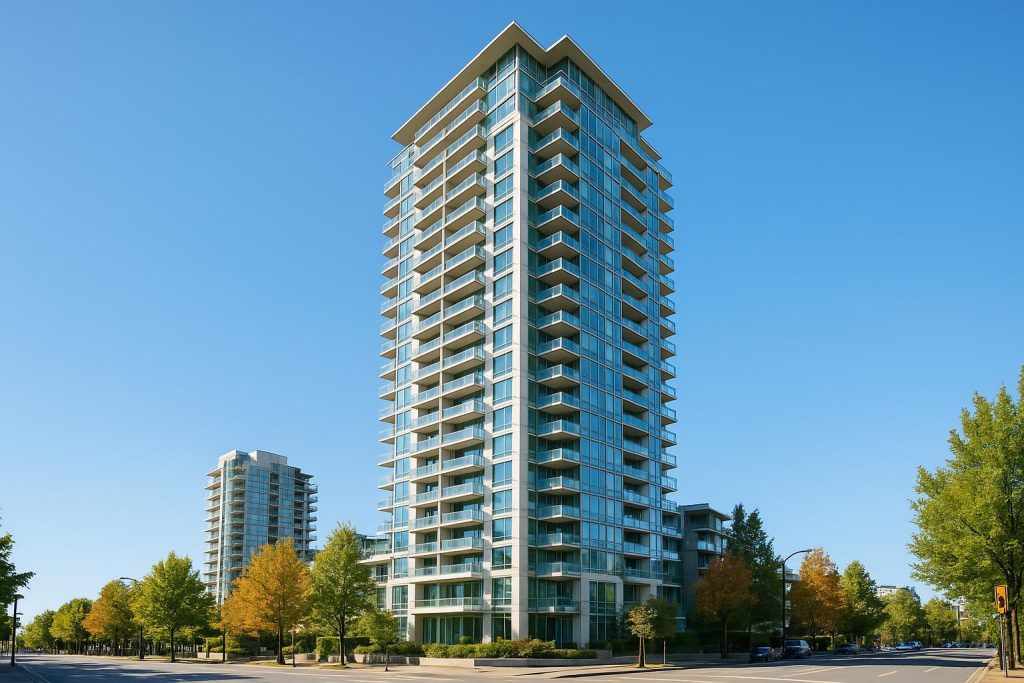
Buying a Condo: Key Questions to Ask
Condos can be a promising choice for many people who appreciate a more manageable living space, a sense of community, and shared amenities. However, it’s important to look beyond the surface before committing to your purchase. Asking the right questions can help you make a more informed decision, protect your investment, and ensure a fulfilling living experience in the long run.
Below, we explore some of the most important questions you should ask before buying a condo, covering everything from the financial details to the broader community setting. By diving deep into these considerations, you can figure out if condo living suits your lifestyle and goals.
1. Is the Location Well-Connected?
The first step in evaluating any condo is understanding its location. A condo that’s close to transit, essential amenities, and community services can offer significant advantages for both daily convenience and long-term property value. Check the proximity to grocery stores, pharmacies, schools, and parks, and investigate the public transport options. Access to recreational facilities or cultural activities may be another factor if you enjoy an active or social lifestyle.
Being in a well-connected neighbourhood not only benefits your own convenience but can also enhance the resale or rental potential. Prospective buyers and renters tend to place a high value on living in inclusive, vibrant areas. Ultimately, it’s about finding a place that feels right for you right now while also promising good value in the future.
2. What Are the Monthly Fees and Financial Obligations?
Condo ownership isn’t just about the mortgage. You will also be responsible for monthly strata or condo association fees. These fees typically cover shared costs such as insurance for common areas, building maintenance, landscaping, and amenities. It’s essential to break down exactly what these fees pay for, how often increases occur, and whether they fit comfortably into your budget.
When budgeting for your new home, remember to factor in any other expenses that might apply, such as property taxes or utilities that are not bundled into the condo fee. You should also inquire about the condo association’s financial reserves. A healthy reserve fund indicates that the property is set up to handle unexpected expenses without imposing sudden, large fees on owners for emergency repairs.
3. How Is the Condominium Association Managed?
The functioning of the condo association (or strata council) often has a direct impact on the overall quality of life in the building. Does the building have a professional management team, or is it run by a self-managed group of residents?
Ask about how decisions are made within the condo board, who is responsible for day-to-day tasks, and how often meetings are held to address community issues. A well-organized association that operates transparently and responsibly typically results in a better living environment for all owners. Conversely, disorganized or poorly managed associations can lead to a host of problems, including poorly maintained facilities and unresolved disputes between neighbors.
4. What Rules or Restrictions Apply?
Every condo community sets its own guidelines to maintain a sense of structure and harmony among residents. Improving livability often means having rules around noise levels, parking arrangements, or common-area usage. By reviewing the rules early on, you can confirm these align with your lifestyle.
Even smaller details can make a big difference to your comfort. For instance, some condos may have restrictions on home-based businesses, limitations on outdoor furniture, or guidelines around renovations that change the aesthetics of your unit’s exterior. Knowing these details helps you manage expectations and avoid conflicts later on.
5. Are There Any Pending Lawsuits or Special Assessments?
Before purchasing, it’s wise to ask about any ongoing legal disputes or special assessments that could impact the entire building—especially your finances. A special assessment could result in a substantial one-time payment from each owner to fund major repairs or other unforeseen costs. Ongoing legal disputes might also signal deeper problems within the building or with the property developer.
Digging into these issues helps you avoid surprises and gives you peace of mind that the condo community is stable, cooperative, and well-managed. If a significant issue does exist, you’re better prepared to weigh the pros and cons of buying into that situation, rather than finding out after you’ve moved in.
6. What Are the Building’s Maintenance and Repair Histories?
When you buy a condo, you’re also buying into the shared infrastructure. The condition of the building, hallways, lobbies, and shared facilities are all factors that can enhance or detract from the comfort of living there. Look into the recent upgrades and renovations, such as exterior painting, roof repairs, or elevator replacements. You want to see evidence that the condo association invests in ongoing maintenance rather than deferring these issues indefinitely.
Additionally, ask about the process for reporting repairs and whether the management team provides a quick turnaround time for minor fixes in shared spaces. If the building has a long list of deferred maintenance projects, it could signal higher costs down the road or a lack of commitment to a well-maintained community environment.
7. What Do the Amenities Offer and How Are They Maintained?
Unlike a single-family home, condos often offer shared amenities that can elevate your day-to-day experience. These features might include a gym, pool, meeting lounges, guest suites, or community gardens. While these extras can add to your quality of life, they may also drive up monthly fees. The key is determining whether the amenities align with your interests and if they’re maintained consistently.
If the building has amenities you won’t use, be aware that you’re still contributing to their upkeep. On the other hand, well-chosen amenities that are properly cared for can enhance the building’s appeal and help maintain strong property values.
8. Does the Condo Align with Your Long-Term Goals?
Before signing on the dotted line, consider how the condo fits into your life over the next few years. If you anticipate the need for more space, relocating, or other major life changes, ask yourself whether investing in a condo still makes sense. For some, a condo is an ideal entry point to homeownership or a practical downsizing option. For others, renting can be a more flexible and inclusive alternative—particularly if you value the convenience of professional property management.
At times, renting in a thoughtfully planned, purpose-built community might be the better fit for your current lifestyle. For instance, if you prefer to avoid the complexities of condo association fees and ongoing maintenance obligations, renting can often provide a level of stability without the long-term commitment of owning. If you are considering a professionally managed rental property in the Vancouver area, you might explore offerings like Vittori’s available rentals to see real-life examples of design-forward, well-connected living spaces.
9. What Is the Resale Potential?
Even if you plan to live in your condo for many years, it doesn’t hurt to think about its resale potential. Look at how property values in the neighbourhood have performed over time and whether the building’s reputation might boost or hinder future sales. Properties in stable, established communities, or in emerging areas with strong infrastructure investments, are often safer bets for sustaining or growing in value.
Factors like the quality of construction, the building’s architectural design, and the health of the condo association can also play a role in resale. It’s worth doing a little homework now, so that if you do decide to sell in the future, you’re well-positioned to attract prospective buyers seeking a trusted, well-managed building.
10. How Does the Building Embrace Responsible Development?
The concept of responsible development goes far beyond basic building standards. It can include emphasis on sustainability, thoughtful integration with the local community, and creating inclusive spaces for all residents. Because each condo building has its unique ethos, asking about how they handle environmental impact, recycling facilities, and communal spaces reveals a lot about the values upheld within the community.
Well-designed condos that care about people and the environment tend to offer a sense of purpose and security for owners. If the developer or the association actively fosters a respectful and forward-thinking atmosphere, it typically bodes well for long-term livability.
11. Have You Reviewed the Condo Documents and Inspection Reports?
Before finalizing a purchase, you’ll want to review everything from the condo’s bylaws and meeting minutes to the building’s insurance and engineering reports. These documents provide deeper insight into how the property is run, whether there’s a good culture of communication among owners, and whether there’s a track record of solving problems in a timely manner.
Focus on the building inspection report, too. This will help you discover any underlying structural or mechanical concerns. If the inspection uncovers issues, you can negotiate repairs with the seller, wait for solutions to be implemented, or decide to walk away if the problems appear insurmountable.
12. Are You Ready to Embrace Condo Community Living?
When you buy a condo, you’re entering a shared-living environment. Some people enjoy the sense of connection and neighborly support that it provides, while others may prefer more privacy. Consider how you feel about living in a closer-knit setting. A well-managed condo community can offer an inclusive, social atmosphere where residents gather in shared spaces or at community events. However, being part of a shared environment also means following collective rules.
By thinking through these aspects, you’ll be better prepared to evaluate whether condo living is right for you. Remember, crossing paths with neighbors can foster a sense of belonging—and collectively, you can help guide the direction of your building’s future improvements, from upgraded amenities to greener initiatives.
Making Your Decision Count
Condo ownership entails balancing personal lifestyle preferences with financial readiness and community involvement. From location and monthly costs to association rules and overall building quality, each question offers insight into what it means to live in that particular condo. By collecting all this information, you gain a full picture of what life could look like in that building—rather than simply focusing on the unit you’re buying.
If your exploration reveals that condo life isn’t the right move today, there’s no shortage of housing alternatives. Well-managed rental communities, such as those built by forward-thinking developers, can provide a mix of flexibility and comfort without the added responsibility of owning a unit. Ultimately, it’s about finding a solution that aligns with your current needs and future aspirations, whether that’s putting down roots in a vibrant condo community or renting in a high-quality, professionally managed property.
