

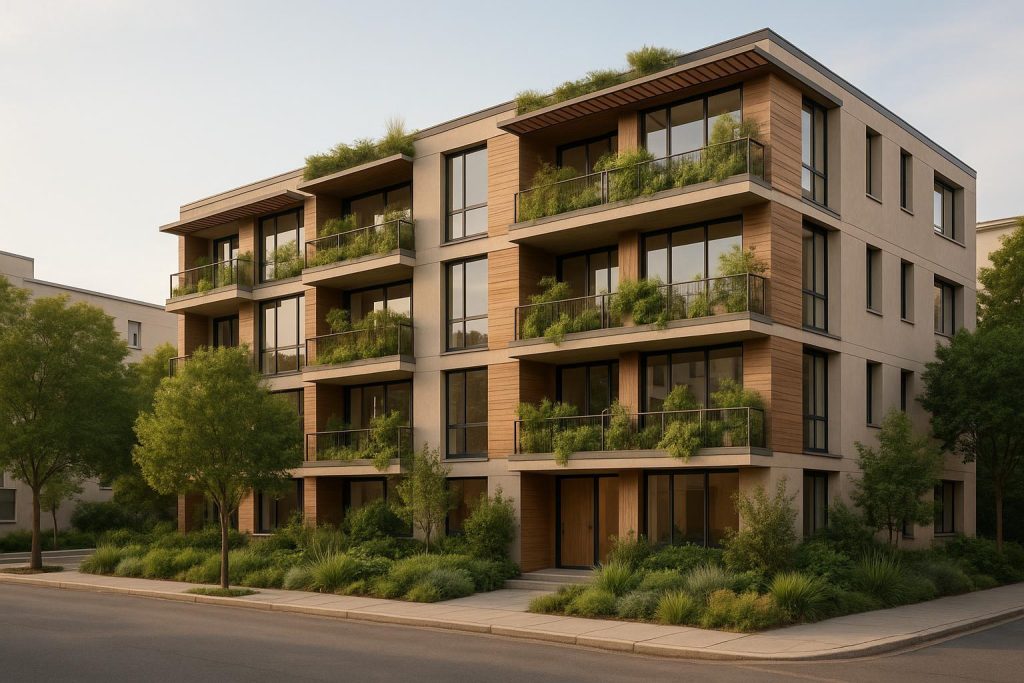
Building Through Sustainability and Community Engagement
In recent years, developers of exclusive residential projects have been placing greater emphasis on sustainability and community engagement. But these concepts go well beyond simple buzzwords. They reflect a meaningful priority: to help neighborhoods thrive while preserving resources and ensuring that people have a welcoming place to call home. This approach can lead to improvements in energy efficiency, overall quality of life, and the way neighbors build connections within their living spaces. In the sections below, we explore why exclusive new builds often incorporate more thoughtful materials, greener design strategies, and communal areas that foster a sense of togetherness. We also discuss how this movement toward more responsible development benefits residents and the environment alike.
The Increasing Importance of Responsible Development
Responsible development is all about balancing modern comforts and amenities with respect for the natural and social environment. This means using fewer resources, creating minimal waste, reducing energy consumption, and embracing designs that can stand the test of time. Builders who focus on responsible development aim to produce modern living spaces where carbon footprints are kept as low as possible. Alongside efficiency, these projects also look at how future-proofed the development is, ensuring that it aligns with long-term goals for the community and the planet.
Most homebuyers and renters today expect more than just four walls and standard appliances. People seek features like advanced insulation, energy-saving lighting systems, and building layouts that take advantage of natural sunlight. This helps reduce reliance on artificial heating or lighting and leads to lower utility costs for residents. By positioning sustainability as a core aspect—not merely an add-on—exclusive developments demonstrate that quality living experiences can integrate seamlessly with environmental stewardship. They also show how real estate choices can serve as an investment in a healthier future.
Designing for Energy Efficiency and Well-Being
When discussing sustainability in new construction, energy-efficient design often takes center stage. Key strategies might include installing high-performance windows to reduce heat loss, using reclaimed or renewable materials, and choosing landscaping options that require less water. However, the practical benefits of these updates go much further. Homeowners and renters often experience lower energy bills, fewer drafts, and a more comfortable, regulated indoor climate throughout the year. This makes for a high level of livability and can even foster better health outcomes.
Next to energy-related elements, sustainable developments may prioritize ways to connect people to the outdoors. This can take the form of green rooftops, shared gardens, or extended balconies that blend indoor and outdoor living spaces. Beyond serving as a visual amenity, these features can encourage activities like gardening, socializing, and small gatherings. By including natural elements in daily life, developers make it accessible for people to enjoy fresh air, sunlight, and restful views of greenery—fostering an uplifting environment that positively affects both mental and physical well-being.
Community Spaces That Encourage Social Ties
Sustainability isn’t only about resource efficiency; it’s also about building enduring connections among residents. With exclusive new builds, you’ll often find communal lounges, shared terraces, and even multi-purpose rooms or co-working areas. By providing settings to interact, developers spark spontaneous conversations and create a welcoming atmosphere. When neighbors have comfortable spaces to gather, daily activities such as reading, boardgames, or small events can take place within the building, increasing interaction and mutual support within the community.
Some developments feature courtyards that function like small neighborhood squares, complete with seating areas and landscaped pathways. Others have rooftop decks where neighbors can meet up for a casual barbeque or stargazing. Such well-designed communal spaces make it easier for people to come together, share resources, and even collaborate on resident-led initiatives. These areas can also encourage active living, further helping residents create positive routines for themselves. If you’re interested in how different types of high-end communities foster shared experiences, you can explore our separate FAQ titled How do multi-family communities create exclusive living spaces for varied lifestyles?. It delves deeper into larger-scale developments and the range of communal amenities they offer.
Neighborly Bonds and the Ripple Effects
When community engagement is one of the development’s driving principles, the influence can extend beyond the building itself. Purpose-built spaces that facilitate social interaction can lead to lasting relationships among neighbors, increasing the overall sense of safety, inclusion, and shared ownership. In turn, these ties often extend into the surrounding neighborhood. Residents might volunteer at local nonprofits or coordinate with community groups on projects like park cleanups or food drives. Developers who make these social dynamics a priority recognize that the true value of an exclusive housing project comes not only from its physical design, but also from the relationships it cultivates.
Furthermore, community-driven developments can serve as catalysts for other local improvements. A new, sustainably built complex can draw attention to ecological preservation or local heritage. In some cases, it can spark interest in preserving green corridors, expanding walkable spaces, or adding public transportation options. Over time, these efforts work together to build a community that is stable, inclusive, and forward-thinking. This holistic vision appeals especially to individuals who value a place where they can put down roots and engage in local culture over the years.
Supporting Infrastructure and Local Collaborations
Sustainability is not just about what happens inside the buildings. Many exclusive developments now focus on upgrading or supporting local infrastructure as part of an overall community-engagement strategy. This might involve helping fund the creation of safer pedestrian walkways, working with local businesses to offer convenient services, or incorporating local art and cultural projects into shared spaces. By integrating these elements, developments can enrich the neighborhood’s character and bring people together around common interests—whether it’s supporting a cultural festival, aiding a vibrant local market, or backing new city initiatives that promote walkability.
Developers who involve community leaders and residents from the outset tend to see better outcomes. Such collaborations can inform crucial decisions like traffic flow within new complexes, building access for seniors or people with mobility challenges, or even the best type of retail that complements the residential component. If you’re curious about putting more than just residential space into a new build—or want to see if mixed-use properties could be right for you—then check out our FAQ Is investing in exclusive, mixed-use properties a good long-term option?. It dives deeper into how blending residential and commercial components can benefit all parties involved, often leading to a livelier, more functional neighborhood experience.
The Business Case for Green Practices
For developers and investors, implementing eco-friendly strategies might initially appear to carry extra costs. However, the market has shown growing demand for homes that prove their commitment to sustainability. This is especially true in regions where environmental awareness is high and people actively seek housing that aligns with their values. Over time, investments in energy-efficient technology, quality insulation, and clean-building materials often generate returns, thanks to lower utility bills and the potential for higher rental or resale value. At the same time, conscientious planning reduces the ecological footprint and helps ensure the development remains relevant as environmental regulations become more stringent.
Additionally, by providing well-designed spaces focused on health and connectivity, developers often enjoy a positive reputation in the community. This goodwill can spark interest from prospective residents who want to live in a place known for responsible development and long-lasting comfort. Many people also see it as a chance to be part of a broader movement toward greener cities. The clarity and reliability that come from these principles build trust among neighbors, homeowners, investors, and local authorities alike, underscoring the notion that sustainability helps ensure the project’s viability for decades to come.
Longevity and Long-Term Value
Community engagement and sustainable design both have a direct impact on the long-term value of a property. Whether it’s through the durable materials used in construction or collaborative relationships formed with local organizations, these elements boost stability and lower maintenance concerns. For instance, buildings equipped with modern insulation and ventilation systems tend to age more gracefully, requiring fewer extensive repairs or updates over time. From a social standpoint, communities built on strong local ties and inclusive practices often maintain lower turnover rates, saving money on marketing and operational costs while keeping the environment vibrant and welcoming.
For individuals researching whether an exclusive rental or ownership arrangement is the best fit, the idea of paying into a community that values environmental protections and resident involvement can be a major plus. Those worried about future resale potential may take heart in knowing many modern buyers specifically look for these types of green credentials and communal features. In that sense, the emphasis on sustainability and togetherness speaks to a growing market of home seekers. If you want to explore whether exclusive living spaces usually require a long-term commitment, be sure to see our FAQ on Do exclusive rentals usually offer flexible lease terms or require long-term commitments?.
Creating Spaces for Present and Future Generations
Another compelling aspect of sustainability and community engagement is how they address the interests of both present and future generations. Buildings conceived with environmental best practices and social well-being in mind are primed for evolving population needs. They adapt more easily to changing urban contexts and can remain a desirable place to live as new technologies and lifestyle preferences emerge. Moreover, the educational dimension of these developments can inspire younger residents—or even local schools—to explore topics like recycling, conservation, and civic participation.
From an architectural point of view, designing flexible spaces that serve multiple purposes can further enhance a property’s longevity. Some areas can transform quickly from a co-working space to a play area for families, depending on the community’s immediate needs. Coupled with efficient systems for energy management, these choices keep the development not only sustainable, but also adaptable—two attributes that are especially valuable when real estate markets shift and new technologies emerge. For those interested in how architectural decisions shape exclusive living communities, it may be helpful to consult our FAQ, What role does thoughtful architecture play in creating exclusive living communities?.
The Role of Branding and Community Image
For many exclusive developments, branding is about more than just visual identity or marketing materials. It reflects core values, including sustainability, conscientious design, and social responsibility. When a developer embraces greener strategies or builds a robust plan for community engagement, the image of that neighborhood or complex tends to follow suit. Residents benefit from living in an area that is recognized for its commitment to fostering connection and reducing its environmental impact. These qualities could elevate a building’s status within the local real estate landscape, helping prospective residents quickly identify which communities resonate with their own values.
Such positive community image can, in turn, boost local pride, inspire beautification efforts, and attract small businesses that share similar perspectives on responsible development. Over time, the neighborhood can become synonymous with thoughtful planning and ongoing collaboration among the people who live and work there. For those interested in design-related considerations of exclusive properties, check out another FAQ we host: What design features make an exclusive living space truly stand out?. It discusses the finer details that make a property distinctive while supporting a sense of identity and community.
Practical Takeaways for Potential Buyers and Renters
Before deciding on an exclusive new build for your next home or investment, you can examine how committed the developer is to sustainability and community involvement. Look for transparent information about the materials used, the energy-saving features in place, and communal amenities available to residents. In some cases, an on-site tour or conversation with a current resident can help you get a feel for the building’s atmosphere. This is especially valuable if you prefer living in a place that encourages neighbors to connect, supports local businesses, and emphasizes responsible resource usage.
If you’re unsure whether an exclusive development suits your preferences, consider questions like: Do I want access to green outdoor spaces? Is social interaction with my neighbors important to me? Would I appreciate reduced utility costs and a smaller environmental footprint? In many instances, the answers clarify whether a sustainably built, community-oriented home aligns with your values. For more information about specific projects that put these principles into action, you can explore our Projects here. Each setting is designed with thoughtful planning, energy efficiency, and a strong local context, showcasing what’s possible when you bring sustainability and community engagement together.
Finding the Right Neighborhood Fit
Another dimension of sustainability and community engagement is the consideration of where these developments are located. Highly central areas might offer robust access to public transportation and nearby services, while emerging neighborhoods may provide more space for creative building layouts and green zones. If you’re weighing the facets of location when it comes to exclusive living spaces, it’s worth exploring our FAQ Are exclusive developments always located in central areas, or can they be found in emerging neighborhoods?. It examines how accessibility, growth potential, and community involvement come into play when searching for a place with exclusivity and sustainability at heart.
Ultimately, suitability hinges on what resonates with your own lifestyle—perhaps you need quick commutes, or you might value quieter surroundings that enable you to develop deeper connections with local groups. Whichever the case, a commitment to sustainable systems and strong neighborhood bonds can improve the experience for residents in either environment.
Conclusion: Positive Impact for Residents and the Community
Exclusive new builds that focus on sustainability and community engagement aren’t just about cutting-edge technology or stylish amenities. They represent a broader philosophy: that development can be beneficial to the people who live there and to the environment as a whole. By incorporating green materials, designing energy-efficient systems, and creating purposeful communal areas, developers ensure that these residences add lasting value to neighborhoods. In turn, residents often find themselves part of a vibrant, supportive community, enjoying the dual benefits of modern comfort and social connection.
As the expectations of homebuyers and renters continue to evolve, community-focused, sustainable approaches will likely become the norm in many exclusive property developments. This shift points toward a future where responsible building practices are both good business and an ethical imperative. By being mindful of the environment, encouraging neighborly ties, and fostering inclusivity, these projects lead the way in shaping neighborhoods that thrive on collaboration, resilience, and respect for the natural world. For further insight into the unique amenities these developments might offer, explore our FAQ on Why do some exclusive apartments offer more private amenities than others?. Regardless of the specific features included, the broader vision remains the same: sustainable practices and engaged communities benefit everyone.
