

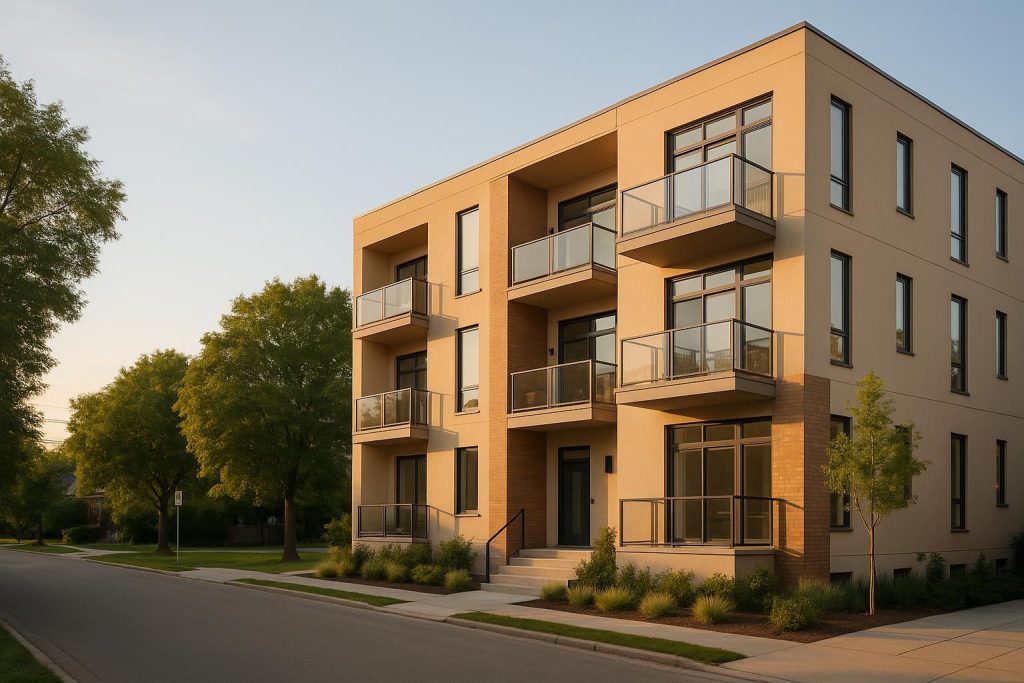
Factors That Influence Boutique Condo HOA Fees
Boutique condominium communities, often characterized by smaller buildings and a limited number of units, can have distinctive homeowners’ association (HOA) fee structures. While some people believe these fees must be higher than those in bigger condo complexes, the actual cost depends on several factors. A boutique condo can offer a more intimate environment, better owner engagement, and a unique architectural feel, but it is essential to understand how expenses are calculated. This guide explores key elements that shape HOA costs and offers insights on how to make the most informed decision for your future home.
Fewer Units, Shared Costs, and Their Impact on Fees
One of the primary reasons people suspect higher fees in a boutique condo is the smaller owner base. HOA fees generally cover maintenance, cleaning, utilities for shared spaces, insurance, and other essentials. With fewer people contributing, there may be a larger share per unit. Think of it like splitting the cost of property upkeep among a group: if you have four or five contributors instead of 50 or 100, each contributor typically pays a bigger slice of the bill.
However, this logic does not always mean boutique condos automatically impose heavier financial burdens. A small community might incorporate strategic budgeting measures or cost-saving amenities. The key is to examine the budget details that the condo board or property management company provides. In some cases, a small building may be more energy-efficient or have lower common-area utility costs. For example, hallways might be shorter, and smaller elevators may consume less electricity. Ultimately, prospective buyers should review the budgets, historical data on special assessments, and how effectively cost-sharing is managed in that particular boutique community. Doing this helps you see whether smaller really translates into pricier, or if the fees are proportionate to the building’s actual expenses.
Amenities and Services in Boutique Condos
Amenities can greatly affect HOA dues for any condo, regardless of its size. In many large complexes, residents often benefit from expansive fitness centers, pools, 24-hour concierge services, or rooftop decks. All of those luxuries require steady maintenance, staffing, and equipment upkeep. Consequently, bigger condominium communities may either keep fees within a certain range by leveraging economies of scale, or they might need to allocate more money because high-end amenities require significant funding.
In smaller, boutique condominiums, amenities may be fewer: perhaps just a modest lobby, a compact patio, or a communal garden. On the one hand, the lack of an extensive amenity list could simplify budget allocations and help preserve moderate HOA fees. On the other, some boutique developments focus on delivering luxurious, high-touch experiences to their residents. An on-site concierge or high-end gym in a 10-unit building can be expensive to maintain. Ultimately, it is the nature of the amenities, not just the size of the building, that influences monthly dues. Buyers should prioritize carefully: Is a state-of-the-art gym crucial, or would you settle for simpler shared areas if it means lower fees?
Building Age and Maintenance Requirements
The age and condition of a condo building can also affect monthly HOA fees whether located in a large tower or an intimate setting. For older boutique developments, upgrades may be more frequent. Aging pipes, dated electrical systems, or older roofs can demand heavier upkeep, driving up both immediate and long-term expenses. At first glance, an older boutique condo might tempt buyers with lower listing prices or appealing architectural details, but consider that maintenance fees could climb in the future if major renovations become necessary.
Conversely, a new condominium, including a small-scale project, may have warranties on certain fixtures or building systems that can spare owners from costly repairs during initial years. These projects sometimes showcase modern, energy-efficient materials to help reduce maintenance costs. Yet, it is crucial to remember that newer does not always mean cheaper when it comes to HOA fees. A high-end, recently built property with premium finishes may require special upkeep, pushing fees up. So, do not judge a boutique condo’s overall cost of ownership solely by listing price or construction date. Instead, request a copy of the building’s maintenance schedule, reserve fund statements, and historical records of assessments, if available.
Evaluating the HOA’s Reserve Fund and Financial Health
A healthy reserve fund is integral to an HOA’s success. This fund is set aside to cover large, infrequent expenses without relying solely on sudden special assessments. In boutique condo communities, the reserve fund might look smaller than in large buildings, simply because there are fewer units contributing. Still, that does not necessarily mean it is insufficient.
A major question to ask when you step into a boutique condo is whether there are well-planned savings in place. Does the board have a strategy to replace façades, roofs, or major mechanical equipment in the future? Costs can be distributed more predictably if the condo association maintains consistent contributions to a reserve fund. If, however, the board is underfunded and has not saved enough to handle large projects, owners may face a significant special assessment if, for instance, the roof needs to be replaced ahead of schedule. By reviewing the condo’s financial statements, you will be able to gauge whether the monthly fees are set at a sustainable amount or if they are covering only day-to-day expenses without planning for unforeseen events.
Location, Insurance, and Other Potential Expenses
It is no secret that location influences real estate pricing, and the same holds true for HOA fees. In a prime neighborhood, land and building insurance may be more expensive. High housing demand can also drive up costs for basic services, such as landscaping and security. Boutique condos located in urban cores sometimes partner with contracted security providers or local garden maintenance firms. These costs can resonate in your monthly payments. Conversely, you might find smaller condos in quieter residential pockets with fewer overhead demands. This may lead to modest monthly fees, especially if the building’s service levels are relatively simple. For example, a small property in a serene, suburban setting with minimal landscaping requirements and limited ongoing maintenance needs might have lower fees than a downtown high-rise.
Though location can spark higher insurance premiums, some properties in sought-after areas command higher resale values, offsetting monthly costs. If you want to explore where boutique condos can be situated and the impact on lifestyle, you might be interested in reading Are boutique condos usually situated in quieter areas, or can they also be found in downtown neighborhoods?. Understanding the variety of locations helps you weigh the pros and cons of your investment beyond simple month-to-month fees.
Weighing Advantages Beyond Monthly Costs
Fees aside, buyers often favor boutique condos for the intimate setting, unique layouts, and property design. Being one of a few residents can foster a stronger sense of community. There is also more potential to influence the decisions made by your homeowners’ association, which can be an advantage if you like having a say in landscape design, security protocols, or the scheduling of building maintenance.
Additionally, smaller condo communities often pride themselves on architectural flair or design features that stand out compared to large, uniform high-rises. If you love the idea of living in a space with unique character, this can be a major draw. To learn more about the architectural differences that make boutique condos appealing, see What design features set boutique condos apart from standard high-rise developments?. You may find that an intimate community experience holds intangible benefits that outweigh any marginally higher monthly fee.
How to Research HOA Fees Before Buying
Whether you are considering a boutique community or a larger complex, it pays to do thorough research. Examine recent meeting minutes: Are there discussions about capital improvements, upcoming repairs, or potential special assessments? Such topics often offer clues into how stable or likely to rise the fees may be. If you can, talk to current residents about their satisfaction with the board’s financial management. In smaller associations, personalities and priorities can have an outsized effect. If decisions are made responsibly and with foresight, you may find fewer surprises down the line.
You can also inquire about property management. Some boutique condos rely on a professional management company, while others self-manage. With self-management, owners volunteer or rotate responsibilities—a model that can save money but also require more personal involvement. In a small building, if you are willing to actively participate in decision-making, you might have a better chance of influencing the direction of major projects, thereby helping to keep costs balanced.
The Long-Term Investment View
While people often focus on HOA fees as a monthly expense, it is equally meaningful to think about long-term investment potential. A well-maintained boutique condo in a desirable neighborhood could appreciate over time, and that appreciation might offset the cost of slightly higher monthly dues. Many buyers find boutique condos especially appealing when they look for character, privacy, and a dynamic neighborhood setting.
If you are wondering how boutique condos might compare to larger developments in terms of long-term returns, you can consult the article Are boutique condos a strong long-term investment compared to bigger developments? for additional considerations. Factors like scarcity, unique architectural elements, and smaller, well-run homeowner associations can boost the condo’s long-term performance, so the day-to-day HOA costs might be balanced against the property’s growing market value.
Negotiating and Near-Future Projects
When finalizing your decision, do not ignore near-future concerns such as upcoming renovations or expansions. By discussing potential projects in progress—like facade enhancements or rooftop improvements—you gain a clearer perspective on whether fees are likely to remain stable or increase. HOA boards in boutique communities might suggest additional monthly contributions to fund new features or keep reserves at regulated levels. Ask about these possibilities upfront.
Condominium documents, particularly the declaration and bylaws, detail the association’s responsibilities and the owners’ obligations. In small associations, the impact of each decision can be magnified, as there are fewer people paying into the system. Having a complete picture of what is on the horizon ensures you make a purchase with eyes wide open.
Balancing HOA Fees with Lifestyle Benefits
Ultimately, whether boutique condos typically have higher HOA fees often comes down to trade-offs. A small building might involve more intense cost sharing per owner, but sometimes the fees remain moderate due to simpler amenities or community-minded budgeting. The sense of exclusivity and personalized experience in boutique settings is often a major draw for residents. If the amenities align with your lifestyle, then paying a bit more each month can be a worthwhile investment in comfort and convenience.
Furthermore, those who need space suitable for larger households or flexible living arrangements might want to determine if a smaller building can still serve their requirements. If you are wondering how multi-family living fits within a boutique arrangement, consider reviewing Are boutique condos a viable option for multi-family living?. Finding the right match for your priorities—be it design, spaciousness, or budgeting—can help you feel confident in your purchase and future lifestyle.
Final Thoughts for Potential Boutique Condo Owners
As you weigh your options, remember that HOA fees are not the only factor in choosing a condo. Smaller developments offer an intimate community, unique designs, and often a stronger voice in how the building is managed. Whether those advantages surpass the possibility of slightly higher fees depends on individual preferences and what you value in a home. Assess each building’s amenities and consider how aligned they are with your routine. Check financial statements to ensure there are no looming surprises and talk with current owners about their experiences. Balancing these considerations allows you to choose not just a home with reasonable monthly dues, but also a place that genuinely complements your lifestyle goals.
If you want to explore examples of thoughtful condo projects, including some that may qualify as boutique, you can Explore Our Projects for more details on design approaches, layouts, and community features. Whether you prioritize efficient building materials, well-planned amenity spaces, or unique architecture, understanding the comprehensive picture helps you make the most informed decision. Finally, if you have additional questions or want a more personalized breakdown of HOA fees relative to local developments, feel free to contact Vittori. In the end, the best way to gauge whether boutique condominiums typically warrant higher HOA fees is to evaluate each building’s specifics, from funding strategies to amenities, and balance any additional monthly cost against the many benefits these smaller communities can deliver.
