

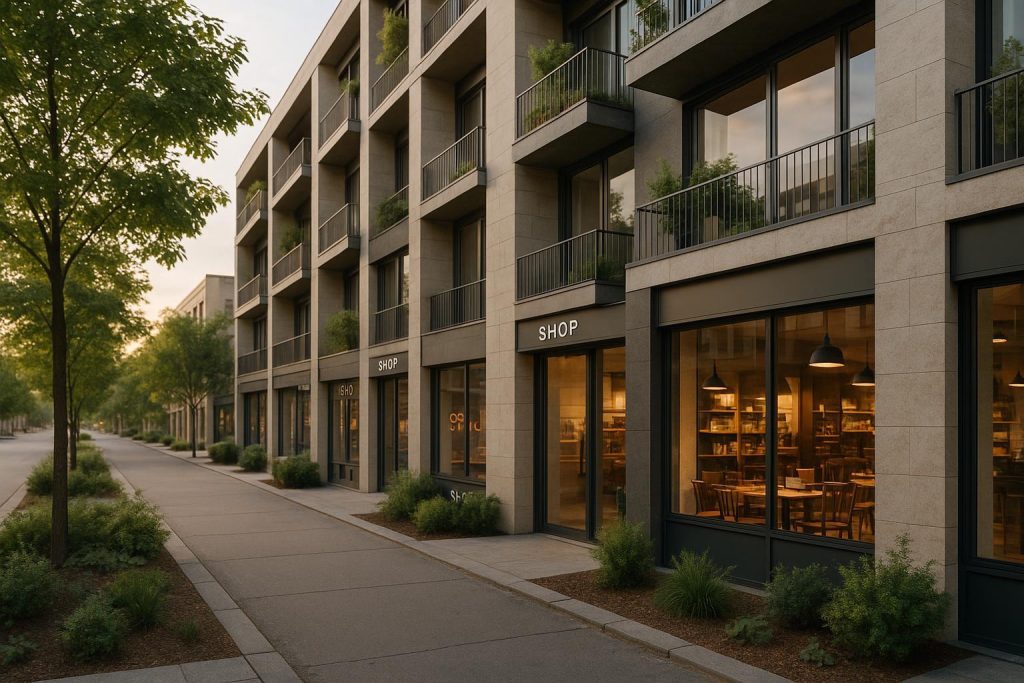
How Mixed-Use Communities Redefine Modern Rental Living
When people think about renting a home, they generally picture a stand-alone building with straightforward amenities and little else. Yet, modern renters increasingly crave more than a conventional living arrangement. They want a dynamic, convenient lifestyle and a sense of place, all in one spot. This is where mixed-use properties shine. By blending residential units with carefully chosen commercial spaces, shared amenities, and attractive design features, these developments deliver a thoughtful living environment. Below, we explore the critical elements that make mixed-use properties appealing to discerning renters.
1. The Rising Demand for Mixed-Use Living
Urban living patterns have changed in recent decades. Today’s renters often prioritize convenience, long-term value, and a sense of community over simply finding the cheapest apartment or the flashiest address. With busy schedules and limited downtime, people want a smartly managed environment that reduces their daily stress. Mixed-use communities typically feature residences above or alongside retail shops, fitness centers, cafés, or other businesses, creating a one-stop hub for daily life. This setup saves residents time and fosters a stronger connection to their neighborhood.
When you can pick up groceries, enjoy a cup of coffee, or drop by a yoga studio in the same complex, commuting becomes a secondary concern rather than a daily burden. This tight clustering of essential services promotes walkability, helps connect neighbors, and tackles some of the biggest pain points that urban dwellers face—namely, wasted hours on the road and unreliable public transit connections. If you are curious about the broader impacts these developments can have on work-life balance, you might find the article Does living in a mixed-use community really improve overall work-life balance? helpful.
2. A Built-In Sense of Community
One of the greatest strengths of mixed-use settings is how they cultivate community-driven development. Beyond the practical benefits of having shops and services close by, these properties integrate interactivity into the overall design. Common areas, such as landscaped courtyards, shared lounges, or rooftop patios, inspire neighbors to gather and socialize. This communal pulse benefits newcomers and long-term residents alike. For people who are new to a city, meeting neighbors at an on-site café or a courtyard barbecue can make the difference between feeling isolated and feeling at home.
Design elements go a long way here. Wide, well-lit pathways encourage foot traffic. Comfortable seating allows people to linger and chat. Bright, open lobbies create a welcoming impression. Such aesthetic choices are not mere extras; they enhance livability and strengthen an inclusive environment. Thoughtfully planned shared spaces signal that the property aims to bring people together. Where interactions are easy, friendships are more likely to form. This spirit of social connectivity resonates with many renters who value convenience while also wanting to nurture authentic relationships with those who live around them.
3. Convenience as a Top Priority
Whether it’s a young professional juggling a packed schedule or a downsizing couple seeking a simpler lifestyle, convenience is often at the top of most renters’ wish lists. Mixed-use developments excel here because they create a self-contained ecosystem of daily needs. Residents can step out of their apartments and grab morning coffee without driving across town. They can stop by the dry cleaner or pick up fresh produce on the way in from work. By reducing the time spent running errands, a mixed-use setting frees up precious hours for leisure, family, or personal pursuits.
Convenience extends to on-site amenities as well. Fitness centers, co-working lounges, and even small conference rooms are common in modern mixed-use properties. These features are especially appealing to remote workers or professionals who appreciate a quiet place to focus without commuting. When amenities are just steps away, everything—from a quick workout to booking an impromptu meeting space—feels easier. For renters, every convenience adds to their quality of life, raising both satisfaction and loyalty to the property.
4. Quality Construction and Responsible Development
It’s not enough for a property to simply blend residential and commercial spaces. Construction quality plays a central role in making the environment appealing to renters. High-grade building materials and well-chosen design elements extend beyond aesthetics: they also impact insulation, energy efficiency, and overall safety. Many contemporary developments embrace environmentally responsible measures, such as installing efficient heating and cooling systems or using sustainable building materials that reduce ecological impact.
These enhancements not only lower the building’s carbon footprint but can also translate into cost savings for residents, as utility bills shrink. A better-insulated home means a more comfortable living space year-round, which appeals strongly to anyone searching for a stress-free rental. In fact, sustainability is such a key concern in modern development that it’s worth exploring questions like What sustainability considerations go into designing modern mixed-use properties? for deeper insights. This focus on long-term, responsible development further highlights why a mixed-use environment tends to stand apart in a crowded rental market.
5. Location, Connectivity, and Accessibility
Location remains one of the biggest factors influencing renter choice. Even in a carefully designed complex, if the property is too isolated from places of employment, transit systems, or cultural hotspots, it may discourage prospective renters. Mixed-use communities typically rise in areas where mobility is easy—near public transit stations or main roads. This approach minimizes the commute for working professionals, students, and families alike.
High walkability endorses a healthier, more relaxed lifestyle. Instead of spending hours in a car, residents can stroll to nearby parks, restaurants, or entertainment venues. Convenient transit connections mean you can hop on a train or bus to get downtown with minimal hassle. From an environmental standpoint, a pedestrian-friendly neighborhood also reduces carbon emissions by decreasing reliance on personal vehicles. The synergy of well-built housing plus effortless connectivity exemplifies what renters look for—a balanced living setting that saves time and promotes a lower-stress lifestyle.
6. Flexible Home Configurations and Future-Proofing
As lifestyles shift, a property’s adaptability can be a significant draw for renters. Whether due to the growth of remote work or changing family dynamics, having flexible layouts and multipurpose spaces makes a noticeable impact on overall appeal. In many modern mixed-use developments, units might be designed with open-plan living areas or extra nooks designed to function as home offices. These spaces adapt easily when circumstances change, such as when new roommates move in or a shift to working from home demands a dedicated workspace.
Some buildings even incorporate modular elements that make it simpler to repurpose areas as residents’ needs evolve over time. In addition, offering various unit sizes—studios, one-bedroom, or larger floor plans—broadens the pool of potential renters. As the popularity of mixed-use communities continues to rise, flexibility becomes a hallmark of a forward-thinking development. Future residents can have confidence that their new home is ready to adapt, whatever twists life may bring.
7. Security, Property Management, and Peace of Mind
A strong sense of security is key in any rental community, and mixed-use properties recognize that reliable, on-site property management teams play a major role. Trustworthy staff ensure that common spaces remain well-maintained, and they are quick to address any maintenance or neighborly concerns. Secure entry systems, thoughtfully placed lighting, and user-friendly visitor protocols further contribute to residents feeling comfortable. By design, a property that blends residential and commercial components tends to have more foot traffic and on-site staff presence, which can also deter property-related issues.
Reliable property management extends beyond safety. Mixed-use developers often treat customer service as part of the entire living experience. If your washing machine breaks, for instance, or you have a question about the gym’s operating hours, it helps to have dedicated staff who respond promptly. This high level of involvement contributes significantly to renter satisfaction. It’s not simply about signing a lease; it’s about the ongoing experience of living in a well-managed building that anticipates and addresses residents’ evolving needs.
8. Economic and Lifestyle Benefits
While residents gain convenience and connectivity, local businesses within these properties also thrive. Shops, cafés, and other commercial ventures have a built-in customer base from the occupants upstairs. In turn, renters benefit from having these businesses close at hand, creating a reciprocal cycle of support and economic vitality. The sense of community is felt not only among the residents but also between residents and local entrepreneurs who share the same address. If you’re curious about how this arrangement helps commercial operators, you might explore How do businesses benefit from operating in a modern mixed-use setting?.
In addition, mixed-use developments often become neighborhood landmarks. The presence of retail stores, restaurants, and green spaces draws in foot traffic from beyond the immediate residential community. This momentum leads to a livelier district, which in turn creates more vibrant streetscapes and property values that may hold steady or even rise over time. Renters often prefer stable, involved communities over transitory environments, making these developments even more appealing to long-term tenants.
9. Real-Life Examples and Project Visits
If you want to see how these elements come together, it often helps to visit actual mixed-use communities. Touring a finished property offers insight into how design, location, amenities, and management all interact in real-world scenarios. Perhaps you’ll notice how the café on the corner also draws in passersby, adding to a building’s bustling atmosphere and effectively connecting it to the larger community.
It’s also valuable to seek out convenience factors that might not be immediately obvious—like easy-to-find bike storage, designated delivery drop spots, or landscaping that subtly directs foot traffic. When managed effectively, these details support the overall experience. Interested in seeing examples of how thoughtful designs come to life in actual projects? You can explore our projects to learn more about design approaches, or view available rentals and discover the range of modern mixed-use offerings.
For instance, a property like 4059 Hastings demonstrates how prime location and quality construction bring renters closer to local shops, transit, and everyday conveniences. Meanwhile, 4711 Hastings showcases how cohesive design and well-connected walkways can vastly improve a building’s charm and affordability. Seeing these projects in person can illustrate why so many potential renters decide to make a mixed-use property their long-term home.
10. Aligning with Broader Real Estate Trends
The rise of mixed-use properties is not a momentary phenomenon. It reflects structural changes in how people choose to live, shop, and work. For investors intrigued by the growth potential of these developments, additional insights can be found in Are there unique financing options for investing in a mixed-use development?. Understanding the financial side can illuminate why many developers and investors opt to integrate multiple uses within a single site—it often captures a broader spectrum of both residential and commercial demand.
In terms of urban planning, local governments are increasingly supportive of responsible development that delivers both housing and business opportunities. Mixed-use projects help diversify neighborhoods, promote safer pedestrian experiences, and reduce reliance on cars. This alignment with municipal goals often makes it easier to secure zoning approvals and community support. Responsible developers who prioritize community-driven design and strong sustainability measures tend to contribute positively to their local environment, boosting their reputation among renters and potential investors alike.
Final Thoughts
A modern mixed-use property offers more than just an apartment with a few extras. It invites residents to immerse themselves in a purpose-built community that values convenience, sustainability, and social connectivity. When design choices balance aesthetics with practical needs, renters gain a meaningful, high-quality experience. From the reduced commute times to the vibrant, well-managed living spaces, mixed-use communities appeal to people who value every aspect of their day-to-day life.
As market conditions evolve, demand for these types of developments will likely remain strong. Many renters choose them not only for immediate conveniences but also for the enduring sense of belonging that these properties inspire. If you’d like to learn more about the sustainability, design, or financial aspects of mixed-use communities, feel free to visit any of the referenced FAQ resources or simply explore upcoming developments to see firsthand how these principles create a unique and welcoming environment. Whether it’s the sturdy, reliable construction or the inviting central courtyard, mixed-use properties cater to the modern need for community, connectivity, and convenience—making them appealing on multiple levels for a wide variety of renters.
