

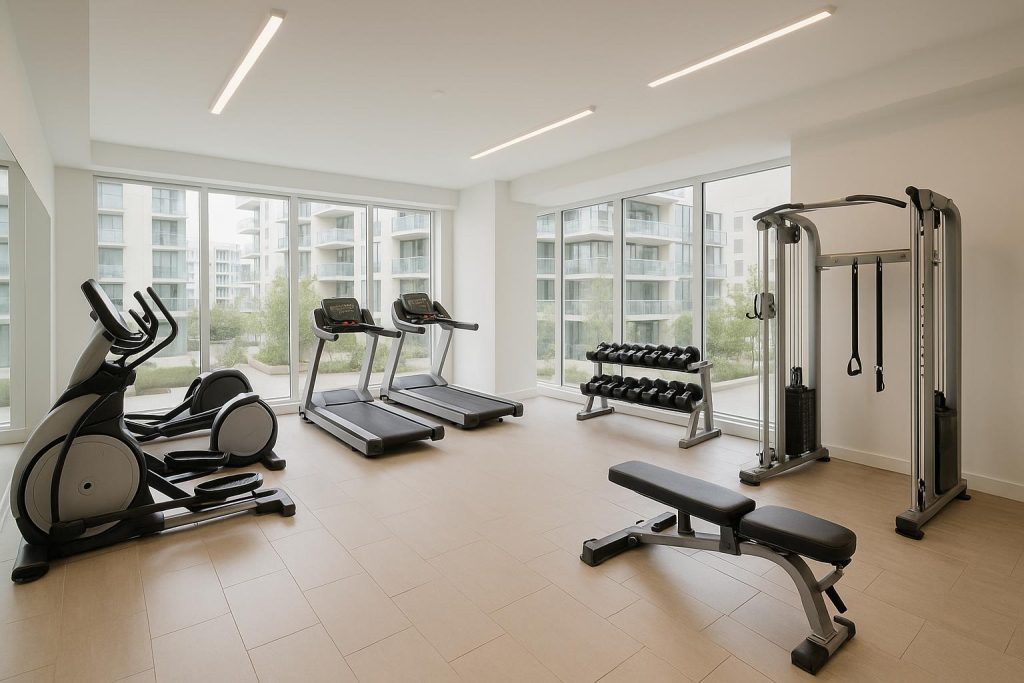
Condo Gyms: A Comprehensive Guide to On-Site Fitness
For many urban dwellers, having ready access to a secure, modern, and well-maintained exercise space can dramatically improve their day-to-day routine. Condo gyms serve that very purpose. They are not just rooms full of exercise machines; they are an essential amenity in contemporary condominium living. This guide will help you understand what these gyms commonly offer, why they have become so popular, and how they foster a community of health-minded residents within the building. We will explore their benefits, potential drawbacks, and the many ways you can make the best use of such a fitness facility if you are interested in owning or renting a condo.
The Basics: What Makes a Condo Gym Different?
A condo gym is typically a shared, on-site facility designed exclusively for building residents. Instead of signing up for a separate membership at a commercial fitness center, condo owners and tenants can use the gym’s equipment and facilities as part of their standard condominium dues or amenity fees. The idea is to bring fitness closer to home, making exercise more accessible and convenient.
In many cases, developers designate a specific area of the building for this amenity. It can occupy an entire floor or a dedicated room, depending on the size of the building and the scope of amenities offered. Most condo gyms have a reasonable selection of:
- Cardio equipment: Treadmills, stationary bikes, and ellipticals.
- Strength-training machines: Multi-station setups, resistance machines, and cable systems.
- Free weights: Dumbbells, barbells, kettlebells, and benches for different workout routines.
- Stretching or functional training areas: Mats, foam rollers, and open floor space for bodyweight exercises, yoga, or meditation.
Although the scope and quality of a gym in a condo can vary, many modern developments prioritize fitness areas just as they do other critical amenities. If you are curious about the broader range of condo facilities available, you might also find it helpful to read this related FAQ on what are the facilities in a condo?. The presence of a gym, alongside other on-site perks, can create a more streamlined lifestyle, minimizing commutes to off-site fitness centers while fostering a stronger sense of community among residents.
Convenience and Accessibility
The primary motivation for developers and condo boards to include a gym is convenience. With an on-site facility, you can incorporate workouts into even the busiest schedules. Early morning jog on the treadmill before work? Quick lifting session while preparing dinner? Late-night stretching to unwind? All of that is possible without leaving the building or adhering to traditional gym operating hours. Still, it is wise to review the building’s guidelines. Some condominiums do set specific timeframes for amenity use. If you are unsure about late-night policies, a related FAQ on restrictions on using condo amenities at night can offer further clarity.
Along with the reduced commute, condo gyms often allow you to avoid external membership fees. Although you may pay for this amenity through your monthly maintenance dues or condo fees, access can still be more cost-effective than joining a private fitness club—especially if you work out consistently. It is a perk that typically appeals to both owners and renters. Those exploring whether monthly condo fees are standard might want to read the FAQ Do you pay monthly for a condo? for clarity on how these amenities factor into your expenses.
Equipment and Design: Ensuring a Long-Lasting Amenity
Much like any gym, the quality of a condo gym’s offerings can hinge on ongoing maintenance, strategic design, and timely equipment updates. Modern fitness rooms often include high-quality machines, digital trackers, and sometimes specialized equipment like TRX straps or rowing machines for diversity. The building’s management or condo board is usually responsible for maintaining the space, scheduling repairs, and, in some cases, deciding if it is worth investing in additional amenities over time.
One frequently asked question from residents is whether their condo boards can expand or add new amenities. The process can differ from one building to another, but we have an entire FAQ dedicated to this topic: Can condo boards add new amenities over time?. In some developments, the gym can evolve to include more innovative equipment or even group class areas. This sense of adaptability is significant if the community wants to ensure the gym remains a high-value amenity for residents of all ages and fitness interests.
Promoting Health and Fitness Within the Community
For many condo dwellers, the gym becomes a touchpoint for socializing. This communal environment can spark friendships and a sense of shared responsibility for healthy living. Some buildings utilize their gyms for group exercises or invite fitness instructors to conduct classes, ranging from yoga sessions to cardio boot camps. Events like these help build a culture of wellness that extends beyond individual workouts, making the condo gym a communal gathering space rather than just a collection of machines.
Using a condo gym might also reduce the stress sometimes associated with commercial gyms, such as crowded workout floors or long waits for specific machines. Having fewer members means more comfort and consistent availability of equipment. Additionally, it is not unusual to have some form of staffed oversight—though this varies widely. On-site personnel can keep the venue orderly and engage with residents about upkeep, safety, and etiquette.
Tips for Maximizing Your Condo Gym Experience
Getting the best out of your condo gym does not merely depend on the equipment available; it also has a lot to do with strategy and your own commitment. Below are a few pointers:
- Establish a routine: Decide when you prefer to work out—morning, lunchtime, or early evening—and stick to that schedule. Consistency is key if you want to see progress and stay motivated.
- Embrace variety: Explore different types of exercises, from cardio intervals to free-weight training and bodyweight moves. Check if your condo offers group classes for variety and community bonding.
- Keep it tidy: Everyone benefits from a clean gym space. Always re-rack weights and wipe down machines. Maintaining cleanliness not only shows respect but also prolongs the life of the equipment.
- Adapt to the space: Some condo gyms have limited room for stretching or functional movement. If you find it cramped, speak to the condo board about possible improvements or reconfigurations. Communication can spark meaningful changes that benefit all residents.
- Stay informed: Condo boards sometimes propose amenity upgrades for a vote, including expansions or new equipment. If you want more or better options in your gym, stay involved in the building’s meetings and let your voice be heard.
If you are interested in more practical tips about treadmill usage or considerations in a shared living space, you might appreciate the FAQ Can I use a treadmill in a condo?. It touches on noise, vibration concerns, and advice for creating a neighbor-friendly environment.
Common Rules and Regulations
As an extension of shared condo amenities, gyms often come with guidelines aimed at maintaining order and ensuring safety. These rules can encompass:
- Operating hours: Some condo gyms are available 24/7, while others have set schedules to keep noise at bay. Learners or those preferring late workouts should confirm building policies.
- Access control: This could be a key fob or a sign-in sheet. Limited access can help with liability and manage how many people use the space at once.
- Dress code and etiquette: Most gyms ask residents to wear proper exercise attire and footwear. Proper etiquette includes wiping down equipment and limiting phone calls.
- Guest policies: Buildings may restrict bringing non-resident guests or implement sign-in procedures to maintain resident security and manage capacity. If you are hosting a friend, confirm the building’s policy in advance.
In some instances, if your building has multiple amenities such as a pool or party room, you might need to reserve or schedule time. You can learn more about potential fees for reserving condo-special spaces in our FAQ on Are there any extra fees to reserve the condo party room?. While that article focuses on party rooms, it also explains how some buildings structure amenity usage, which can be relevant if your gym shares the same reservation or payment systems in the future.
Tips for Evaluating a Condo Gym When Buying or Renting
When you are in the market for a condo—either to buy or lease—evaluating the gym can give you insights into the building’s overall approach to maintenance, quality, and community. After all, a well-tended gym often hints at a condo board or management team committed to resident satisfaction. Here are steps to assess whether a condo gym aligns with your preferences:
- Inspect the equipment condition: When on a tour, note whether machines appear clean and functional. Outdated or broken equipment can point to underlying maintenance issues.
- Check the gym’s size: Smaller buildings might have compact spaces. If you need a wide range of machines and open areas, ensure there is enough room for your exercises.
- Look into maintenance policies: Ask how often the building services equipment. A proactive system of checks and repairs helps keep your workouts kink-free.
- Ask about expansions: If the gym seems minimal but building management is open to adding or updating amenities, you may see future improvements. Does the condo board have a history of listening to resident requests?
- Investigate overall building age: The quality of the gym often depends on both the building’s age and the approach to upkeep. If curious about how these factors impact amenities, the FAQ on how building age and maintenance impact the quality of amenities is a helpful resource.
- Confirm the rules: If you like to work out at unconventional hours, see if the building accommodates that need, or if restrictions might hamper your routine.
You might also want to know in advance which amenities are included in your building fees, especially before you commit to purchasing a condo. To get more details on that subject, view our FAQ How can I find out which amenities are included before I buy?. Armed with accurate information, you can determine if a particular condo gym meets your personal fitness goals and budget.
Condo Gym Etiquette and Community Building
Like any shared resource, the gym requires courtesy among neighbors. Being mindful of noise, equipment usage time, and proper cleaning ensures that fellow residents also have a pleasant experience. Over time, a sense of camaraderie often emerges—residents share workout tips, exchange friendly greetings, or even arrange group sessions. This added social dimension can transform a simple fitness space into a supportive community hub.
Additionally, some condos integrate cozy lounges or snack bars close to the gym, encouraging people to linger post-workout. These communal areas can serve as informal gathering spots for neighbors to connect, which strengthens community ties. In many ways, a functional and welcoming gym fosters an environment where health, wellness, and social support are interwoven, contributing significantly to everyday condo life.
Condo Gyms and Resale Value
A well-appointed gym can play a meaningful role in boosting a condo’s resale value. Prospective buyers who prioritize health and fitness are more likely to pay a premium for a building that offers workout facilities on-site. It also projects an image of a property that is modern, current with lifestyle trends, and well-maintained. Keep in mind the gym’s quality and upkeep also factor into this value. If a building invests regularly in upgrading amenities—whether installing new machines or refurbishing the interior—it can help sustain the condo’s appeal over time, especially for active or fitness-conscious residents.
Those curious about other key amenities that can drive a property’s value might want to visit our FAQ on which amenities often increase a condo’s resale value. This can give you insight into how a gym fits into the broader amenities landscape and how it compares to features like rooftop patios, multi-purpose rooms, or advanced security systems.
Choosing a Condo with Amenities That Suit You
Concierge desks, swimming pools, party rooms, and advanced security measures are all possible amenities in modern condos. Deciding which set of condo facilities matter most is a personal choice. If your top priority is consistent access to a conditioning space, you will want to ensure that the gym is robust enough to handle your routine and that it is maintained. For some potential buyers or renters, though, a weighty amenity list is not the main draw. They might prefer a building that focuses on a few major features rather than offering a broad but subpar selection.
If you are also considering other building features, the FAQ on whether a concierge desk is an essential condo amenity can further inform your research. Similarly, if you have concerns about security cameras, lighting, or keyless entry in communal areas, our resource on what kind of security features are standard in modern condos might prove valuable.
Differences Between Large and Small Buildings
Large condominium complexes sometimes offer spacious gyms that rival commercial fitness centers. They might feature multiple weight stations, a range of cardio machines, and areas reserved for group classes or personal training sessions. In smaller buildings, the gym might be cozier, offering only a handful of machines. Neither solution is inherently better—it depends on your personal preference and usage patterns.
For an in-depth comparison, see our FAQ on whether condo amenities differ significantly between large and small buildings. It highlights how building size and resident demographics can affect amenity variety, maintenance costs, and how effectively those spaces are managed. Sometimes, fewer residents mean less crowding but also a smaller budget for flashy upgrades. On the flip side, a bigger building could have more sophisticated equipment but more competition for your favorite treadmill on a Monday evening.
Future Trends in Condo Gyms
As home fitness evolves, condo gyms are beginning to incorporate smart technologies and advanced features. Expect to see more digital integrations, such as interactive screens, fitness apps with building-specific challenges, or personalized workout recommendations that sync with your smartphone. Some newer developments might also include specialized spaces like spin studios or CrossFit-inspired training areas. Much depends on the condo board’s willingness to invest, residents’ appetite for fitness upgrades, and the overall budget set aside for ongoing improvements.
Such innovations can make an already appealing feature even more attractive. Over time, they also help keep the building competitive in the property market. Technology aside, many developers realize that supporting holistic well-being is part of the modern urban living experience. From building quiet spaces for meditation to hosting wellness workshops, future condo gyms may have a more multi-dimensional focus, rather than just featuring rows of cardio machines.
When a Condo Gym Might Not Be the Best Fit
Although condo gyms can be a big draw, some people prefer working out in specialized studios or larger fitness centers with a highly curated class schedule. If you are a serious strength athlete, you may crave advanced gear that smaller condo gyms typically do not carry. In that scenario, you could still maintain a membership at a specialized gym. Having access to both can give you the flexibility to tailor your fitness regimen. Consider these factors so you can pick the living situation that aligns best with your personal health goals.
In some cases, building restrictions could also be a concern. If you work out at odd hours and your condo has strict usage times, you might find yourself locked out of the gym when you want to exercise the most. Learning about the building policies in advance is vital to avoid frustration down the road.
How to Decide If a Condo Gym Is Right for You
A condo gym is worth considering if you value on-site amenities, appreciate time savings, and enjoy working out in a private setting among neighbors. This amenity especially resonates with professionals who have hectic schedules, as well as those looking for a convenient way to stay active. Even occasional exercisers can benefit from an on-site fitness area, since it removes the usual obstacles to exercise, such as bad weather or commute time. If you are envisioning a robust home base for your fitness lifestyle, checking the condition, rules, and community vibe of the gym should be a top priority during your condo search. If you have more questions, it could be insightful to visit the FAQ on why do they call it a condo? for additional condominium basics.
In conclusion, a condo gym is far more than just a room with equipment. It is a significant lifestyle feature that integrates convenience, community, and cost savings into a single amenity. By examining its design, upkeep, and rules—and considering your personal fitness objectives—you can decide whether this amenity aligns with your lifestyle. In many modern condos, the gym is a reflection of the building’s commitment to quality and the well-being of its residents. If this resonates with you, then condo living with an on-site fitness center can be an excellent match, supporting a holistic, healthy lifestyle right at home.
If you wish to explore thoughtfully designed developments that integrate amenities like condo gyms—among others—you can browse Projects. Or, if you are interested in viewing current rental listings, you can check out Rentals for more details. Keep in mind that each residence is different, so always assess the specifics of the on-site fitness offerings to confirm they meet your individual needs. Ultimately, a condo gym can be a powerful catalyst for building consistent healthy habits, making it simpler to prioritize wellbeing every day.
