

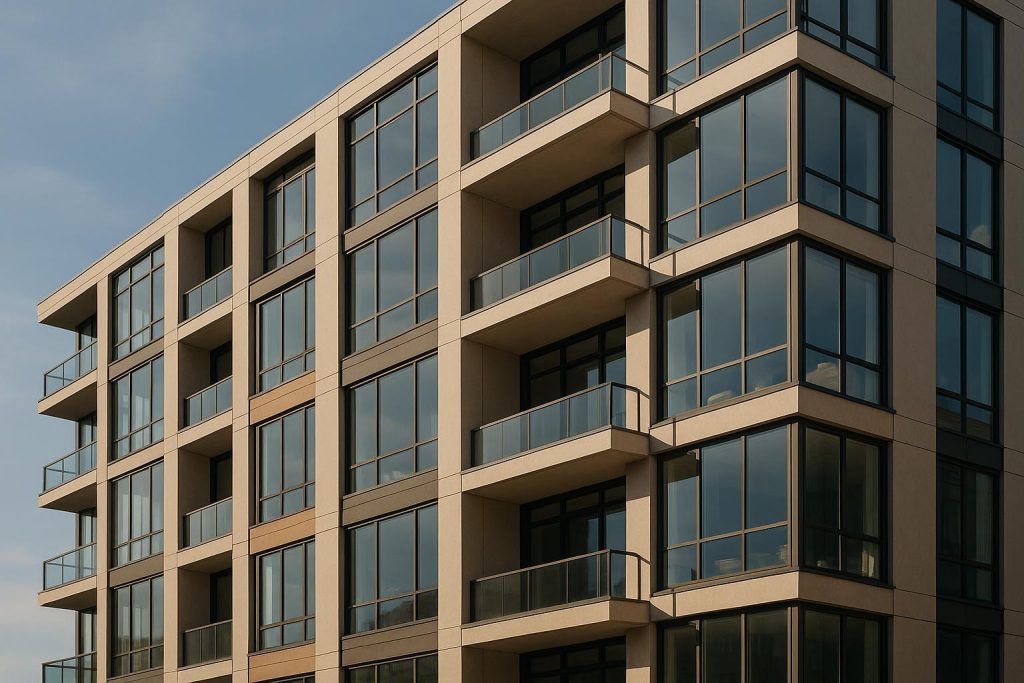
Tracing the Origins and Modern Benefits of Condominiums
When people hear the term “condo,” they usually think of multi-unit buildings with shared amenities like rooftop terraces, gyms, and lounges. But not everyone realizes that “condo” is actually shorthand for “condominium.” The word “condominium” has roots in Latin, combining con- (meaning “together”) and dominium (meaning “ownership”). This linguistic origin neatly summarizes the key idea behind condominiums: individuals own their private units while sharing ownership and responsibility for common areas. In this comprehensive exploration, we will discuss why condominiums exist, how they are structured, and the many ways they foster convenient and community-minded living. We will also address practical considerations, such as monthly fees, amenity restrictions, and the overall evolution of condo living. By the end, you will have a clearer picture of why they call it a condo and what makes condo communities an appealing housing choice for many.
Understanding the Condominium Structure
Condominiums differ from other housing types in the way ownership is split. In a typical single-family home, a single owner takes care of the entire property, from the interior to the exterior and landscaping. In a condominium, each resident owns the interior space of their own unit but shares ownership of hallways, lounges, fitness areas, lobbies, and other shared facilities. Owning a condo essentially grants you personal space along with a communal stake in the building’s larger features.
This structural setup often comes with a homeowners’ association or condo board that oversees the building’s day-to-day functioning. The board, usually composed of unit owners, helps maintain the property’s common areas, ensures fair usage of amenities, and enforces community guidelines. Because the term “condo” centers on the split between private and communal ownership, it is deeply tied to both the concept of individual freedom and shared responsibility for spaces that everyone benefits from.
Where the Name Comes From
The linguistic background of the word “condominium” is quite telling. As mentioned, “con-” translates to “together,” whereas “dominium” refers to ownership or domain. In older legal contexts, dominium could denote authority or dominion over land. When combined, the resulting word highlights the collaborative nature of condominium life: you have dominion over your own space, but you also contribute to, and share in, the maintenance of the entire property. This model has become common in various parts of the world, largely because it strikes a balance between private comfort and the cost-effective use of shared resources.
The Appeal of Condominiums in Urban Centers
Condos are especially popular in bustling cities, where land prices are high and more people are looking to live closer to work, transportation, and cultural attractions. By stacking homes vertically and employing shared utility systems, condominiums can make more efficient use of limited space. Many prospective owners prefer condos because they offer convenient, city-centric lifestyles combined with a sense of community. If you want a property near restaurants, public transit, or shops, condos are usually found in those prime, walkable neighborhoods.
In many cases, these shared buildings come with bonus features that might not be feasible for standalone homeowners. It’s much more cost-effective to split expenses for, say, a swimming pool or gym among dozens or hundreds of condo residents than it is for one household to finance and maintain those amenities alone. Each month, owners pay condo fees that fund these shared resources, as well as important building maintenance tasks. This arrangement is what allows for a high quality of life in a compact living environment.
What Condo Fees Actually Cover
Condo fees, sometimes called strata fees depending on your region, are collected from each unit owner to address communal expenses such as utilities, landscaping, hallway cleaning, elevator upkeep, and other essential services. These fees also typically fund a reserve or contingency budget for larger repairs in the future, such as replacing the roofing, refurbishing the lobby, or upgrading heating systems. In essence, you’re pooling resources with your neighbors to cover the costs of preserving the property’s value and appeal.
It is worth noting that how fees are calculated can differ depending on the building’s size, the type of amenities offered, and policies set by the condo board. Unit size often influences each owner’s share, so individuals with larger square footage might pay slightly higher fees than owners of more compact units. If you want to learn more about how monthly payments work in this setup, be sure to check out our FAQ on Do you pay monthly for a condo?. This resource delves deeper into budgeting for condo-related expenses and can help you avoid surprises during the purchase process.
Shared Amenities: Strengthening Community Ties
One benefit that sets condos apart from detached homes or rental apartments is the presence of shared amenities, often referred to as “condo amenities.” These can include swimming pools, rooftop terraces, communal gardens, fitness centers, lounge areas, and party rooms. Using these spaces typically depends on the rules set by the condo board, which might specify hours of operation or require reservations. For instance, if you’re curious about whether you can enjoy the amenities after a late-night shift, you might look into Are there typically restrictions on using condo amenities at night?. On the other hand, if you’re a fan of running, you may want to explore how building noise policies might apply to installing exercise equipment, as explored in Can I use a treadmill in a condo?.
Such recreational features help keep residents active and engaged at home, reducing the need for external gym memberships or off-site event rentals. Over time, these shared areas can foster friendships among neighbors, leading to a stronger sense of community. This, in turn, encourages everyone to take pride in and care for their building. If you’re curious about the various amenity offerings and how they might differ based on property size, take a look at our FAQ on Do condo amenities differ significantly between large and small buildings?. You might find that bigger buildings typically have more lavish amenities, while smaller ones focus on just a handful of core features.
Condo Boards and Their Role in Community Management
In addition to overseeing monthly fees, condo boards are responsible for setting and enforcing the building’s bylaws. These policies can range from pet regulations to rules about using the party room. Curious about how communal spaces like the party room are managed or whether you’d be charged when hosting an event? Check out Are there any extra fees to reserve the condo party room?. The board also addresses maintenance schedules for shared amenities, ensuring that equipment and facilities remain safe and functional.
Condo boards generally hold regular meetings, where residents can ask questions or voice concerns. If, for instance, a majority of residents desire a new amenity—say, installing a rooftop patio—the board can evaluate the feasibility, costs, and rules regarding upkeep. Over time, adding new amenities can flex in response to community needs, something you can read about in our FAQ on Can condo boards add new amenities over time?. Ultimately, the board’s function is to keep the property’s communal spirit intact while balancing responsibilities, finances, and building upkeep.
Comparing Condos to Other Housing Options
You might wonder how a condominium compares to a traditional house or even an apartment rental. Unlike a single-family homeowner, a condo owner does not directly handle exterior maintenance but does pay fees that cover the building’s shared responsibilities. Apartment renters, on the other hand, do not technically own their units, so they have limited long-term control over the space. In a condo, any equity you build is yours to keep, and you have a vote in certain decisions that shape your building. If you’re wondering about designated parking or how additional costs work, you can visit Does every condo come with a designated parking spot? for a deeper dive on parking rules. Also, if you have concerns about the overall facilities available, check out our answer to What are the facilities in a condo?.
Affordability is another factor that comes into play. Because condos are typically found in central neighborhoods, their price per square foot can be higher than some suburban homes. However, the total cost may still be more approachable than purchasing a detached house in an urban core. The monthly condo fees ensure consistent upkeep and an array of enjoyable amenities, which can further justify the cost for many homeowners. Over time, the investment can grow in value, especially if the building’s management is proactive and the location remains desirable.
Meeting Modern Lifestyles and Evolving Needs
Today’s condo buildings often cater to people seeking efficiency and comfort in day-to-day living. Many modern developments incorporate multipurpose rooms, shared workspaces, and on-site retail or commercial spaces. Some also employ advanced security measures, including controlled entrances and cameras in common areas. If you’re interested in learning about the type of security features you might expect in a contemporary building, explore our FAQ on What kind of security features are standard in modern condos? to get a better sense of the typical systems in place. It’s all part of embracing a community-driven environment while ensuring peace of mind for residents.
Another reason condos continue to flourish is that they offer an adaptable ownership model that can meet diverse lifestyle needs: young professionals appreciate the convenience of living near work and amenities; downsizers benefit from reduced property maintenance responsibilities; and small families enjoy secure, communal settings that can support them without the demands of a large house. Those looking for on-site fitness options often ask, What is a condo gym?, to see how robust these in-building facilities can be. Because there’s no need to drive to an external facility, it’s a practical choice for anyone prioritizing convenience.
How Condos Support a Long-Term Sense of Community
It’s not just the immediate lifestyle advantages that attract people to condominiums, but also the sense of belonging. Common areas like lounges and patios frequently become social hubs. Regular community events, such as seasonal gatherings or building improvement projects, can bring residents together. Over time, these interactions can create lasting friendships and a support network. This blend of personal privacy and communal living can be particularly appealing for individuals new to a city, as it provides built-in opportunities to meet neighbors and form connections. In fact, the mere presence of communal spaces encourages casual interactions, something that sets condos apart from isolated living situations.
Additionally, modern developments often aim to provide inclusive, well-connected spaces that everyone can enjoy. While many older buildings relied on minimal extras, today’s condo culture embraces thoughtful design, from accessibility features to energy-efficient construction. If you ever wonder how a building’s age can affect amenity quality or future costs, consider checking out How do building age and maintenance impact the quality of amenities?. A well-maintained building with a proactive strategy for upgrades usually keeps morale high, fosters a stable community, and can enhance property values.
Resale Value and Ongoing Investment
Although many condo owners choose this type of housing for its convenience and community elements, resale value also plays a role. Several amenities, particularly those catering to modern lifestyles—such as coworking spaces, well-equipped gyms, and rooftop decks—can significantly boost a property’s attractiveness. If you’re curious about which features are especially influential when it comes to resale, take a look at Which amenities often increase a condo’s resale value?. Well-chosen amenities and careful upkeep by the condo board can help maintain or even elevate your investment over time.
Remember that location is a critical factor as well. When a building is situated in a vibrant neighborhood with excellent transportation links and an array of local shops, it tends to hold its value. Regularly updated or upgraded shared spaces signal ongoing care. Combined with a well-run condo board, these elements usually produce a stable, thriving environment that appeals to potential buyers, investors, and renters alike.
Real-World Examples
If you want to see how these ideas translate into real-life developments, consider exploring our Projects page, where you can find completed and upcoming condo-style or purpose-built rental communities. Modern buildings often emphasize responsible development, thoughtful design, and a focus on livability for residents. For those looking to rent, the Rentals page provides a glimpse into the available homes that reflect these principles, including curated interior designs and inviting communal spaces. You might also explore specific locations such as 4059 Hastings or 4711 Hastings to gain insights on how different buildings incorporate today’s condo concepts into real-world living experiences.
Some prospective buyers prefer to know exactly which amenities they’ll get before committing. If that’s you, see our FAQ on How can I find out which amenities are included before I buy?. Being informed is key to a successful condo purchase or rental decision, and real-world examples are often the best way to visualize the lifestyle a building can offer.
Planning for the Future: The Flexibility of Condo Living
One of the most appealing aspects of condominium ownership is its adaptability to changing personal and societal needs. As lifestyles evolve, boards can vote on enhancements or improvements that keep the property modern. Technological solutions—like keyless entry or energy-efficient heating—are often welcomed if they promote comfort and sustainability. Even elements like community gardens and improved common rooms can become realities through cooperative efforts among residents. This flexibility would be more complicated in a single-family home environment, where expansions and upgrades happen on a purely individual basis.
Furthermore, condos can help cities meet growing and diverse housing demands. By encouraging vertical living, urban density can be increased without sprawling into outlying areas. This arrangement supports sustainability goals, reduces traffic congestion, and often forms part of larger urban planning strategies that emphasize walkable, well-connected communities. For individual owners, this means better access to public transportation and a range of cultural, social, and professional opportunities just outside their door.
Conclusion: Coordinated Ownership for a Modern Lifestyle
The term “condo” may seem like a simple abbreviation, but it represents a coordinated ownership model that merges private space with communal benefits. By giving individuals dominion over their own units while pooling resources for shared amenities, condominiums deliver both independence and a built-in support system. Whether you’re drawn to the convenience of on-site fitness facilities, the sense of security from living in a well-managed community, or the prospect of owning property in a prime urban location, condos offer a range of lifestyle advantages that suit a broad array of residents.
If you still have questions about specific condo details—from fees for using the party room to the quality of lobby security and beyond—feel free to tap into the other FAQs. Practical insights on topics such as which amenities often increase a condo’s resale value or whether a concierge desk is considered essential can help inform your decisions. You can also browse examples of real condominium developments on our Projects page. It’s all part of embracing the idea of “together ownership” that promises convenience, community, and the excitement of modern city living. So the next time someone asks, “Why do they call it a condo?” you can share how this succinct term perfectly captures the spirit of shared ownership and cooperation that has made condominiums a defining feature of contemporary housing.
